Africa
A Silent Stand That Spoke for a Continent –By Matthew Ma
Mr. Mboladinga’s stand was far more than a mere expression of nostalgia; it represented a profound call for continuity that sought to bridge generations, struggles, and aspirations throughout the African continent. This display conveyed an important message: that the quest for independence is not just a historical milestone from the 1960s, but an ongoing and dynamic process that remains contested in various arenas—whether in boardrooms where policies are shaped, on battlefields where conflicts erupt, or within the framework of democratic elections that determine leadership and governance.


The African Cup of Nations has always been a tournament brimming with unexpected twists and memorable moments. Although the matches are often known for their exciting entertainment, it is the off-field events that sometimes leave a lasting impact. This year, during the game between the Democratic Republic of Congo and Algeria, an unforgettable moment transpired not on the pitch, but high up in the stands. A Congolese fan, by the name Michel Kuka Mboladinga, remained standing for the entire 90 minutes of the game. His unwavering composure and silent presence served as a striking tribute to Patrice Lumumba, the revered father of Congolese independence, who is remembered as a martyred figure in the country’s history. In a stadium typically filled to the brim with the raucous cheers and chants of passionate supporters, this fan’s profound silence stood in stark contrast. As the match unfolded, the cacophony of excitement around him only amplified the significance of his gesture. While players on the field battled for supremacy and onlookers reveled in the game’s exuberance, this solitary figure served as a powerful reminder of the struggle for freedom and identity in the Democratic Republic of Congo. His dignified stillness resonated far beyond the bounds of football, transforming a simple match into a poignant statement about history, resilience, and the unyielding spirit of a nation striving to honor its past.
Who is Patrice Lumumba? For those who do not read and who care less about African history, he is not merely a historical figure in the Democratic Republic of the Congo (DRC); he represents Africa’s interrupted promise. Patrice Émery Lumumba was one of the most significant political figures of the twentieth century and the first Prime Minister of the DRC following its independence from Belgium in 1960. More than just a statesman, Lumumba came to embody African dignity, radical autonomy, and resistance to imperial control. Born in 1925 in the Belgian Congo, Lumumba ascended from humble beginnings to become a sharp intellectual, trade unionist, and nationalist leader. Unlike many of his contemporaries who sought gradual reforms within the colonial system, Lumumba demanded immediate and total independence. He understood that political freedom was hollow without economic sovereignty and national unity.
In September 1960, Lumumba was overthrown, arrested, and eventually transferred to Katanga. On January 17, 1961, he was executed in the presence of Belgian officers and with the approval of foreign intelligence services. His body was dismembered and dissolved in acid in an attempt to erase him from history. For Africa, Patrice Lumumba embodies the profound cost of confronting power too early and too boldly. His assassination, facilitated by both foreign powers and local collaborators, signified a pivotal moment not only for Congo but for the entire post-colonial endeavor across the continent. On a global scale, his life and tragic end reveal the contradictions inherent in an international order that professes freedom while undermining it when strategic and economic interests are at stake. Lumumba stood for dignity, self-determination, and an unwavering conviction that African nations should govern their own political and economic futures. To advocate for him today is to affirm that his ideals—and the injustices surrounding his death—remain a matter of unfinished business.
For those intrigued by the significance of Mboladinga, who stood for 90 minutes during the match, his gesture conveyed a profound statement, transforming the football event into an interactive lesson on the importance of memory and history. In a global culture that often encourages Africans to overlook their past in the name of progress, this act served as a powerful rejection of collective amnesia. It effectively illustrated that true advancement cannot be built on a foundation of forgotten histories and lost narratives. Ignoring the past and failing to acknowledge the experiences that shape our understanding can impede meaningful development. To foster genuine progress, it is crucial to engage with and learn from both the triumphs and traumas of previous generations, ensuring that all voices are heard and valued. Only by embracing these narratives can we create a future that is not only progressive but also deeply rooted in understanding our shared history.
Mr. Mboladinga’s stand was far more than a mere expression of nostalgia; it represented a profound call for continuity that sought to bridge generations, struggles, and aspirations throughout the African continent. This display conveyed an important message: that the quest for independence is not just a historical milestone from the 1960s, but an ongoing and dynamic process that remains contested in various arenas—whether in boardrooms where policies are shaped, on battlefields where conflicts erupt, or within the framework of democratic elections that determine leadership and governance. For Africa, this moment reaffirmed the significance of sport as a crucial political and cultural arena. Historically, football stadiums have served as vital spaces where suppressed voices find the strength and opportunity to express their discontent and aspirations. The chants that reverberate in these arenas often transcend the boundaries of sport, becoming a form of protest against systemic issues such as apartheid, military dictatorship, and pervasive economic injustice.
The tribute from Mr. Mboladinga encapsulated a broader movement among African youth, illustrating their active efforts to reclaim their heroes and cultural narratives on their own terms—moving beyond state-sanctioned ceremonies and the sanitized depictions often found in textbooks. This moment indicated a growing willingness among the younger generation to confront uncomfortable truths, questioning the persistent undercurrents of neo-colonialism, external interference in African affairs, and the betrayals that sometimes arise from within their own ranks. By standing for Lumumba, the fan countered the global tendency to depoliticize African suffering while simultaneously profiting from its resources. For the rest of the world, the gesture conveyed a subtle yet equally poignant message. It challenged the selective memory surrounding global history—one that exalts “independence” while neglecting the violence employed to shape its outcomes. It urged international audiences to acknowledge that Africa’s current struggles are not mere accidents of culture or governance, but rather the result of intentional historical decisions.
The silent 90-minute stand of Mr. Mboladinga speaks not only to the situation in Congo but also serves as an uncomfortable reflection for Nigeria, particularly its youth. First, this powerful act underscores the significance of historical consciousness as a form of civic engagement. The fan did not protest with placards or chants; instead, he invoked memory. This suggests that political awareness can be expressed through symbolism, discipline, and moral clarity rather than mere slogans. For Nigeria, a nation rich in a deeply contested political history, this raises a vital question: how often do Nigerian youths consciously and deliberately connect their current struggles with historical figures, ideas, and unfinished national projects? While Nigerian youth are usually described—sometimes unfairly—as politically apathetic or preoccupied with entertainment, social media, and the pressures of survival, movements like #EndSARS have dispelled that narrative. They demonstrated a generation capable of rapid mobilization, ideological clarity, and sacrifice. The gesture of the Congolese fans shows that standing in silence for 90 minutes required patience, resolve, and intentionality. It is reflective rather than reactive. It points to the notion that, beyond moments of outrage, political maturity also requires a long memory.
In this context, the gesture challenges Nigerian youth to think beyond episodic activism. First, Nigeria has its own Lumumba-like figures—nationalists, reformers, and dissidents whose visions were cut short or compromised. The pertinent question is not whether Nigerian youth are sufficiently angry, but whether they are historically grounded enough to transform that anger into a long-term ideological direction. Memory adds depth to movements; without it, activism risks becoming cyclical rather than transformative. Second, the act highlights the significance of symbolism in reclaiming public spaces. A football stadium may not be a parliament or a protest ground, yet it has emerged as a site imbued with political meaning. Nigerian youth already dominate cultural arenas—such as music, fashion, sports, and digital media—but often hesitate to politicize them intentionally. The Congolese fan exemplified that culture and politics are not mutually exclusive domains. For Nigeria, this indicates untapped potential: youth-led cultural spaces can transform into platforms for national reflection rather than mere escapism.
Third, the gesture illustrates the courage that can exist in solitude. Mboladinga stood alone, requiring neither validation from a crowd nor trending hashtags. This stands in contrast to a Nigerian youth culture that—understandably—often seeks safety in numbers, given the genuine risks associated with dissent. The takeaway here is not to romanticize isolation but to acknowledge the importance of individual moral conviction. Societal change begins when individuals are willing to become visible bearers of uncomfortable truths. Lastly, this gesture conveys to Nigeria that African youth are increasingly engaging in cross-border conversations through shared symbols of resistance and dignity. While Lumumba belongs to Congo, his significance transcends national boundaries. Nigerian youth are part of this continental generation, facing similar challenges related to governance failures, external dependency, and elite capture. The tribute by the Congolese fan serves as a call for Nigerian youth to perceive themselves not merely as national actors but also as participants in a broader African historical continuum.
Therefore, for Nigerian soccer fans who ridiculed Mr. Mboladinga, the 90-minute stand was not a waste. His actions urge us to reflect on whether the younger generation in Nigeria will channel its energy into remembrance, turn indignation into ideology, and transform its numbers into a sustained moral mission. The response to this challenge will shape not only Nigeria’s future but also its role in the broader African narrative. Furthermore, remembering Lumumba transcends the simple act of commemorating a fallen leader; it demands that we confront the ongoing struggle for true independence, justice, and sovereignty in Africa. We must ponder whether the world has genuinely recognized the sacrifices made by those who dared to pursue these ideals.
Thus, Michel Kuka Mboladinga deserves recognition, not for disrupting the game or seeking attention, but for elevating it. His actions served as an act of civic remembrance during a time when forgetting is often encouraged and all too easy. In a football stadium designed for noise, distraction, and spectacle, he chose to embrace discipline, silence, and meaningful choices that carry significant moral weight. Honoring Mboladinga does not politicize football inappropriately; rather, it reinstates sport’s historic role as a mirror of society. It conveys to African youth that remembrance is not an indication of weakness, silence does not equate to passivity, and standing firm—sometimes in solitude—remains one of the most potent political acts available to an ordinary citizen. In this sense, the tribute is not only deserving of honor; it is, in itself, an honor to witness.
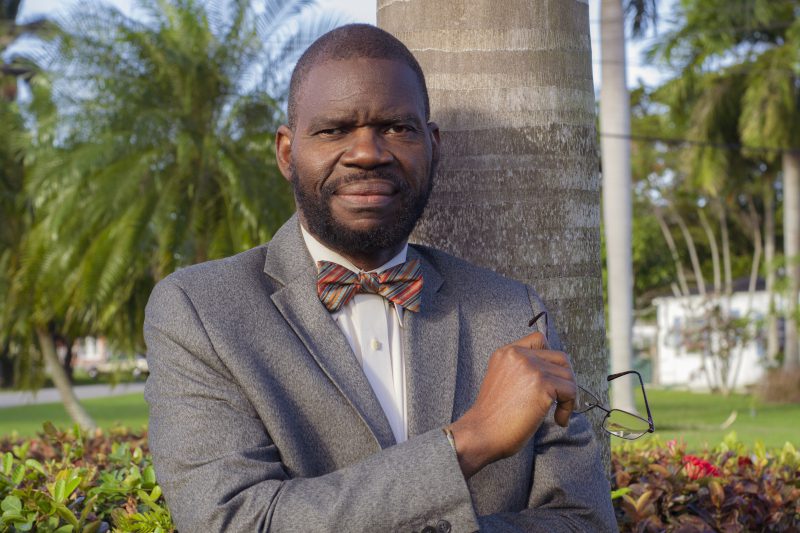
Rev. Ma, S. J., is a Jesuit priest and a public policy analyst. He currently writes from Abuja, Nigeria.