
Africa
The Dangerous Intersection: Political Power, Terror Sponsors, and the Struggle for Justice in Nigeria -By Daniel Nduka Okonkwo
Nigeria’s path forward requires courage and political will. Sponsors of terrorism must be investigated and prosecuted through transparent and lawful processes. Justice must not be selective. It must apply equally to the powerful and the powerless. The rule of law must be visible, credible, and impartial.

Enemies of Nigerian state are not only those who carry weapons. They include those who finance violence, those who shield perpetrators, and those who exploit insecurity for political or economic gain. They also include systemic failures that allow injustice, inequality, and impunity to persist.
Nigeria stands at a defining moment. The country must confront terrorism and its sponsors decisively or risk the long-term stigmatization of being perceived as a nation unable or unwilling to hold accountable those who enable violence within its borders. The consequences of such a perception would extend far beyond reputation, affecting investor confidence, diplomatic relations, and Nigeria’s standing as a continental leader.
If Nigeria cannot contain terrorism within its territory, Africa’s broader stability is at risk. Often described as the “Giant of Africa,” Nigeria’s influence is rooted in its population of more than 200 million people, its position as one of the continent’s largest economies, and its role as a major oil producer. Nigeria anchors regional trade, cultural exchange, and political balance. Yet it continues to grapple with severe security, governance, and economic challenges that threaten both its internal cohesion and its external leadership role.
It is therefore unacceptable for the Nigerian state to tolerate terrorists or their sponsors. Allegations of terrorism financing must not remain in the realm of rumor, speculation, or quiet political handling. They must be addressed through transparent, credible, and public legal processes. When members of the international community, including the United States, designate individuals or entities as terror sponsors, Nigeria has both a sovereign responsibility and a moral obligation to investigate and, where evidence exists, prosecute those responsible. The Nigerian government owes its citizens accountability. It must expose and confront those who destroy lives for personal, political, ideological, or religious gain.
Accountability for terrorism is not merely a domestic issue. It is embedded in international law and global security frameworks. Under Chapter VII of the Charter of the United Nations, the Security Council has the authority to impose sanctions and other measures to maintain international peace and security. Countries such as Cuba, North Korea, Iran, and Syria have, at various times, been designated by nations like the United States as state sponsors of terrorism, resulting in economic sanctions, diplomatic isolation, and legal consequences. These actions reflect an international consensus that those who finance, protect, or enable terrorism must face consequences.
Nigeria now finds itself at a dangerous intersection where similar questions of accountability are becoming increasingly urgent.
Terror sponsors, whether operating within or outside state structures, must be confronted through decisive and lawful measures. Sanctions, criminal prosecutions, and international cooperation must be tools of real enforcement, not symbolic gestures. When governments fail to act against terror sponsors, whether out of political convenience, fear, or complicity, they erode public trust and weaken the legitimacy of the state itself. Such failures embolden perpetrators and prolong cycles of violence.
In December 2025, Nigeria’s former Chief of Defence Staff publicly stated that politicians were among those financing terrorism and that some of these individuals were shielded from public scrutiny. The statement reinforced longstanding fears that powerful actors may be operating above the law. When those accused of enabling terror are not publicly investigated or prosecuted, the justice system itself is called into question. Impunity becomes normalized, and citizens lose confidence in the institutions meant to protect them.
Public controversy has also surrounded the rhetoric of political leaders. In February 2021, Bello Matawalle, then Governor of Zamfara State, was widely reported to have said that “not all bandits are criminals,” attributing some acts of violence to grievances such as economic deprivation and conflict with authorities. The statement provoked national outrage. His media aide later clarified that he had intended to say “not all Fulani are criminals,” attributing the earlier wording to misinterpretation. Regardless of the clarification, the episode underscored the importance of responsible leadership communication in a nation confronting widespread insecurity.
Elsewhere, political leaders have made similarly troubling allegations. Benue State Governor has accused unnamed politicians and members of the National Assembly of sponsoring violence in his state. Zamfara State Governor Dauda Lawal has also suggested that certain local actors possess knowledge of bandits’ locations and operations. While such claims remain politically contested and require credible investigation, their persistence reflects a deeper crisis of trust between citizens and political institutions.
The broader concern is that insecurity in Nigeria may be sustained not only by armed groups but also by networks of influence, protection, and political calculation. Negotiating with terrorists, paying ransoms, or offering concessions risks legitimizing violence and incentivizing further criminal activity. Others contend that negotiation is sometimes necessary to save lives in the absence of immediate military solutions. This debate reflects the difficult balance between humanitarian urgency and long-term security strategy.
The consequences of terrorism and banditry have been devastating. Thousands of Nigerians have been killed. Millions have been displaced. Entire communities have been destroyed, and internally displaced persons camps have become a permanent feature of the national landscape. Economic damage has been equally severe. Insecurity has discouraged foreign investment, disrupted agriculture, and diverted public funds from development into security operations and emergency response.
This insecurity is both a cause and a consequence of deeper structural challenges. Poverty, unemployment, corruption, and weak governance create fertile conditions for recruitment into violent movements. At the same time, corruption and lack of transparency undermine the effectiveness of security responses. Funds intended for national defense and public safety are sometimes mismanaged or diverted, weakening the state’s ability to respond decisively.
The international community has long recognized that terrorism cannot be defeated without accountability. The United Nations has repeatedly emphasized that states must neither tolerate nor support terrorist activity. Failure to act decisively risks international isolation, economic sanctions, and reputational damage.
Nigeria’s path forward requires courage and political will. Sponsors of terrorism must be investigated and prosecuted through transparent and lawful processes. Justice must not be selective. It must apply equally to the powerful and the powerless. The rule of law must be visible, credible, and impartial.
Nigeria cannot achieve lasting peace while those who enable violence operate with impunity. The country must strengthen its institutions, improve intelligence coordination, address corruption, and invest in economic and social development to reduce the conditions that fuel extremism.
The stakes could not be higher. Terrorism threatens not only lives but also democracy, national unity, and the future of the Nigerian state. If Nigeria is to preserve its leadership role in Africa, restore global confidence, and protect its citizens, it must confront the sponsors of terror with transparency, fairness, and resolve.
Anything less would risk surrendering the nation’s future to fear, impunity, and instability.
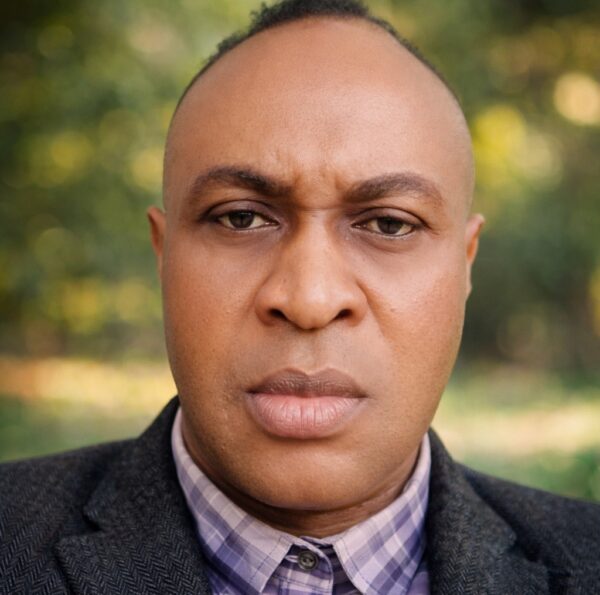
Daniel Nduka Okonkwo is a Nigerian investigative journalist, publisher of Profiles International Human Rights Advocate, and policy analyst focusing on governance, institutional accountability, and political power. His work has appeared in Sahara Reporters, African Defence Forum, Daily Intel Newspapers, Opinion Nigeria, Daily Asset Newspapers, African Angle, and other international media platforms. He writes from Nigeria and can be reached at dan.okonkwo.73@gmail.com.
















You must be logged in to post a comment Login