Politics
Atiku Needs Political Strategists, Not More Campaigns -By Onyejaka Alexander Arinzechukwu
Nigeria’s democracy needs strong opposition leaders. It also needs leaders who recognise that sometimes the surest path to victory begins with the courage to step aside.

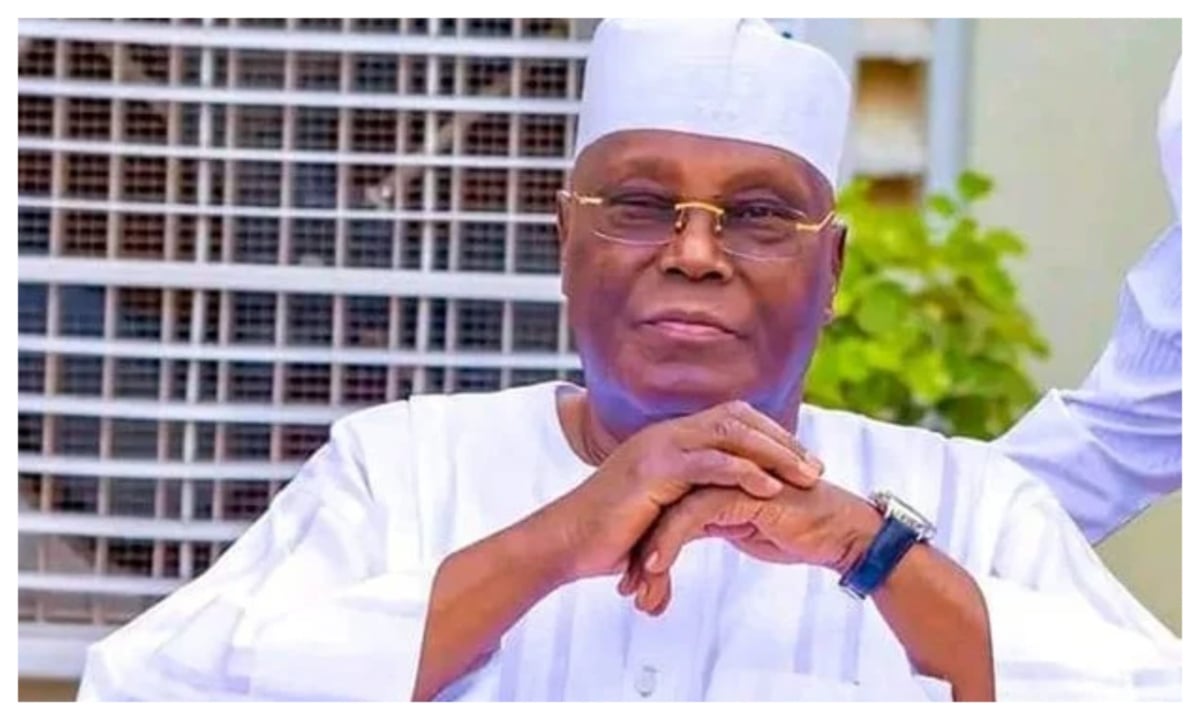
Politics is often described as the art of the possible. It rewards not only ambition but also patience, sacrifice, coalition-building and impeccable timing. Across the world, many capable politicians have failed to attain the highest office not because they lacked competence or popularity, but because they repeatedly misread the political environment.
Nigeria’s former Vice President, Atiku Abubakar, belongs in this category.
No one can question Atiku’s commitment to public service or his determination to become President of the Federal Republic of Nigeria. Few politicians in the country’s democratic history have pursued the presidency with such consistency. His political journey stretches back to the aborted Third Republic of the early 1990s, and since Nigeria’s return to democracy in 1999, he has remained a permanent fixture in virtually every presidential contest.
Persistence, however, is only one ingredient of political success. Strategy is another—and perhaps the more important one. It is in this area that Atiku appears to have been repeatedly let down. If the former Vice President sincerely desires to occupy Aso Rock before retiring from active politics, he must surround himself with advisers who will tell him uncomfortable truths instead of merely validating his presidential ambition.
The first uncomfortable truth is that every election has its own political realities.
Nigeria is not governed solely by constitutional provisions; it is also guided by political conventions that have evolved to preserve national balance. One such convention is the rotational presidency between the North and the South. Though unwritten, this principle has helped reduce regional tensions and foster a sense of belonging among Nigeria’s diverse ethnic and political constituencies.
Following eight years of President Muhammadu Buhari, many Nigerians believed power should naturally rotate to the South. Whether one supports zoning or not is beside the point. Politics is fundamentally about perception, consensus and managing competing interests. By insisting on pursuing the presidency at that particular moment, Atiku found himself swimming against a powerful national current. His insistence was viewed by many as a disregard for an arrangement that many Nigerians considered essential to national stability.
Successful politicians know when to fight and when to wait.
This brings us to another recurring weakness in Atiku’s political calculations: his inability to step aside when circumstances clearly demand sacrifice. Leadership is not always demonstrated by insisting on personal ambition. Sometimes, it is demonstrated by surrendering personal ambition in pursuit of a greater objective.
History offers countless examples of leaders who sacrificed immediate opportunities to secure greater victories later. Unfortunately, Atiku has rarely demonstrated such strategic restraint. Rather than supporting another opposition figure when it became evident that his candidacy would deepen existing divisions, he pressed ahead. The result was predictable: a fragmented opposition and yet another unsuccessful presidential bid.
Politics is ultimately a game of numbers, alliances and trust.
Perhaps no issue has damaged Atiku’s presidential aspirations more than his inability to sustain strong political relationships. Over the years, he has fallen out with influential allies whose support could have significantly strengthened his electoral chances.
His political divorce from former President Olusegun Obasanjo remains one of the most consequential ruptures in Nigeria’s democratic history. Having served as Vice President under Obasanjo for eight years, one would have expected that relationship to become a formidable political asset. Instead, years of disagreements transformed mentor and deputy into political adversaries. Regardless of where the blame lies, the breakdown deprived Atiku of the consistent backing of one of Nigeria’s most influential political figures.
More recently, his disagreement with Nyesom Wike exposed another weakness in coalition management. Wike commanded enormous grassroots influence within the opposition and enjoyed substantial political goodwill across several states. The inability to reconcile differences after the party’s presidential primary created avoidable divisions that haunted the opposition throughout the general election. Elections are rarely won by satisfying loyal supporters alone; they are won by expanding coalitions and keeping allies within the same political tent.
Equally troubling has been Atiku’s repeated migration from one political party to another whenever internal contests fail to favour his ambition. While party defections have become commonplace in Nigerian politics, frequent movement creates an unfortunate perception that political platforms are merely vehicles for personal aspiration rather than institutions deserving long-term commitment.
Strong democracies are built by politicians who strengthen parties, not merely those who use them as temporary electoral platforms.
As discussions gradually shift toward the 2027 presidential election, Atiku faces perhaps the defining decision of his political career. He has an opportunity to rewrite the narrative surrounding his ambition and redefine his place in Nigeria’s democratic history.
Rather than presenting himself once again as the opposition’s presidential candidate, he should seriously consider supporting a credible southern candidate, particularly someone capable of uniting Nigerians across regional, ethnic and religious lines. Among the leading opposition figures is Mr. Peter Obi, whose political profile continues to resonate with many Nigerians. Whether it is Obi or another broadly acceptable southern candidate, the larger objective should be the preservation of national unity and the strengthening of democratic opposition.
Such a decision would not amount to political defeat. On the contrary, it could become Atiku’s greatest political masterstroke.
Politics rewards sacrifice. It also rewards memory. Should power rotate back to the North in 2031—as many advocates of zoning would expect—Atiku would stand a far better chance of enjoying widespread southern goodwill if he had earlier demonstrated respect for the rotational principle by supporting a southern presidency in 2027. Political reciprocity has always been one of the enduring currencies of democratic politics.
By helping another candidate succeed today, Atiku could significantly strengthen his own prospects tomorrow.
More importantly, such an act would elevate him from being seen merely as a perennial presidential aspirant to being remembered as a statesman willing to subordinate personal ambition to national interest. That transformation may ultimately prove more valuable than another unsuccessful presidential campaign.
None of these observations diminishes Atiku Abubakar’s experience or contributions to Nigeria’s political development. His administrative background, business experience and national exposure remain significant assets. Yet elections are seldom won on experience alone. They are won through strategic thinking, disciplined coalition-building, careful timing and an appreciation of political realities.
The presidency is not awarded to the politician who contests the most elections. Neither is it guaranteed by personal popularity or financial resources. It belongs to the candidate who best understands the political moment and is willing to make difficult strategic choices in pursuit of a larger vision.
If Atiku Abubakar genuinely hopes to fulfil his lifelong presidential ambition, he should spend less time preparing for another campaign and more time listening to political strategists capable of challenging his assumptions. His greatest obstacle may no longer be his opponents; it may well be the strategic advice he has failed to receive—or failed to heed.
Nigeria’s democracy needs strong opposition leaders. It also needs leaders who recognise that sometimes the surest path to victory begins with the courage to step aside.