Africa
Buhari: Tributes And Reflections -By Abiodun KOMOLAFE
If Buhari had incarnated the Gaullist leadership style that Nigerians expected, he’d have implemented the recommendations of the Oronsaye Report, and that’d have signalled a decisive shift away from the era of reckless government spending and fiscal profligacy. But all that now belongs in history!

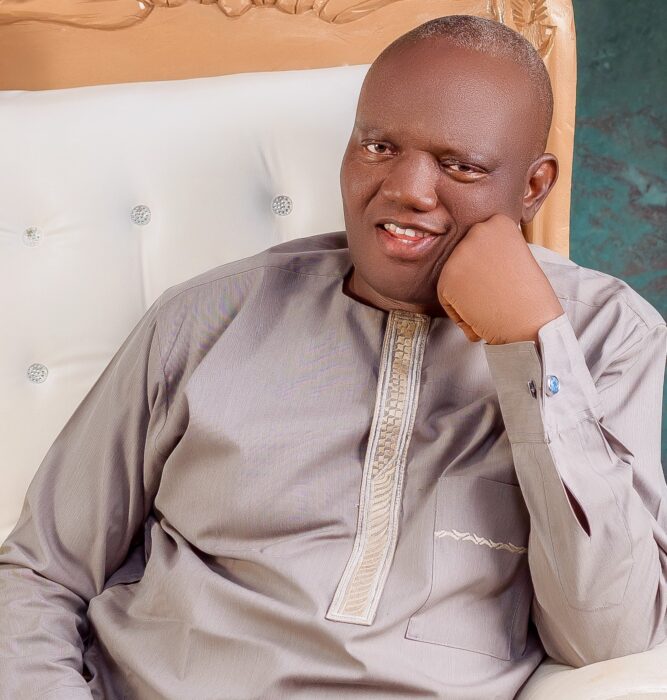
Nigeria’s former Head of State and two-term democratically-elected president, Muhammadu Buhari, has passed away at the age of 82. May Allah (SWT) rest his soul!
As tributes pour in and the nation pauses to reflect on Buhari’s complex legacy, it is an opportune moment to examine the multifaceted nature of his leadership and the enduring impact of his presidency on Nigeria’s trajectory.

The British Broadcasting Corporation’s summary of the late former president captures the complexities of his life and career: ‘As a military ruler and civilian president, Buhari launched campaigns against indiscipline and corruption, but his regime was also marked by human rights abuses, including the imprisonment of journalists and musicians like Fela Kuti.
‘During his presidency, Buhari emphasized his personal integrity, declaring his wealth and pledging to combat corruption. However, his administration faced significant hurdles, including plummeting global oil prices, economic crisis and insecurity. Despite vowing to defeat Boko Haram, the group remained a threat; and his response to farmer-herder clashes drew criticism.

‘Notable events during his presidency included the #EndSARS protests and the naira swap policy, which had far-reaching consequences. Buhari’s legacy is complex, with Nigerians holding mixed views about his tenure, acknowledging his anti-corruption efforts while lamenting the economic and security challenges that persisted.’
Bola Tinubu, Nigeria’s president and Buhari’s successor, paid tribute to the late leader, describing him as “a patriot, a soldier”, and “a statesman” who demonstrated remarkable leadership. According to him, Buhari “stood firm through turbulent times, leading with quiet strength, profound integrity and an unshakable belief in Nigeria’s potential.” In a more measured assessment, General Yakubu Gowon, Nigeria’s wartime Head of State, characterized the “converted democrat” as a leader who did his best within his limits.

The trajectory of Buhari’s life and career invites reflection on the nature of leadership and legacy. As Enoch Powell cleverly observed in his 1977 biography of Joseph Chamberlain, “All political lives, unless they are cut off in mid-stream at a happy moment, end in failure.” Nelson Mandela’s wisdom in knowing when to exit the stage, while still revered, is a case in point. Had Thabo Mbeki stepped down after his first term, he might have avoided the controversies that marred his second term. Likewise, Jacob Zuma’s decision to seek reelection ultimately led to his downfall, potentially landing him behind bars.
Some historians believe that the February 13, 1976 coup significantly altered Murtala Muhammed’s trajectory in Nigeria’s history books. Similarly, the untimely death of former President Umar Yar’Adua on May 5, 2010, due to complications related to pericarditis, may have spared him the challenges of a potentially tumultuous second term.

Some Nigerians also speculate that had MKO Abiola not been denied his mandate to become Nigeria’s president, his legacy might have been complicated by the challenges of governance. Likewise, if former President Goodluck Jonathan were to relive his 2015 re-election experience, he might gain a deeper understanding of the role that internal party dynamics and external factors played in his defeat.
While no one could have stopped Buhari from seeking a second term, Will Rogers’ words strike like a chord: “This thing of being a hero, about the main thing to do is to know when to die. Prolonged life has ruined more men than it ever made.” In other words, one could argue that Buhari’s pursuit of the presidency in a democratic setting had significant consequences, potentially impacting his following Mandela’s example by limiting himself to one term. Had he done so, his legacy might have been viewed more favourably. Instead, his decision to seek re-election exposed him to criticism, and the consequences of that choice are now apparent.
In retrospect, those who admired Buhari, including myself, had envisioned him as a leader in the mould of Charles de Gaulle – a military-general-turned-statesman who brought stability and vision to France’s Fifth Republic. De Gaulle’s experience with the Fourth Republic’s governmental instability, characterized by rapid changes in ministerial leadership, informed his approach to governance. However, unlike de Gaulle’s tenure, which was marked by stern discipline and fiscal prudence, Buhari’s presidency was beset by fiscal and economic challenges.
Given the trajectory of Buhari’s government, particularly under the influence of key figures like Godwin Emefiele, it’s uncertain what the outcome would have been if the administration had continued for another year. The potential economic consequences could have been dire, with the possibility of the dollar surging to N3,000 or more, while our leaders might have continued to reassure the public despite the grim reality.
If Buhari had incarnated the Gaullist leadership style that Nigerians expected, he’d have implemented the recommendations of the Oronsaye Report, and that’d have signalled a decisive shift away from the era of reckless government spending and fiscal profligacy. But all that now belongs in history!
Wait a minute, how would the Chibok girls, Leah Sharibu, and others whom Buhari promised to “recover” from the terrorists situate Mai Gaskiya’s legacy?
May Allah (SWT) bless the People’s General with Al-Jannah Firdaus and grant comfort to the nation he left behind!
May the Lamb of God, who takes away the sin of the world, grant us peace in Nigeria!
*KOMOLAFE wrote in from Ijebu-Jesa, Osun State, Nigeria (ijebujesa@yahoo.co.uk; 08033614419 – SMS only)