Africa
Dapo a Barking Governor: Ijoko, Ota, and the Cost of Disconnected Leadership -By Idris Bakare
History has shown repeatedly that leaders who belittle public criticism rarely escape its consequences. The voices dismissed today become the record tomorrow. For many Ogun citizens, Governor Dapo Abiodun is increasingly viewed as a failed governor not necessarily because of intent, but because of outcomes. An administration perceived as lacking empathy, urgency, and connection to the people cannot inspire loyalty or trust.


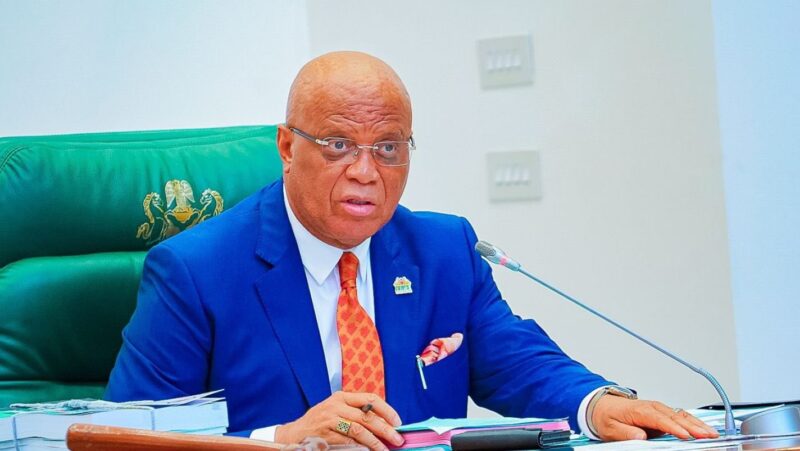
By any standard of democratic governance, words matter. They matter even more when they come from the lips of a sitting governor addressing the very people who entrusted him with power. Governor Dapo Abiodun’s reported description of Ogun citizens who criticize his administration as “barking dogs” has sparked outrage not because of politics alone, but because it mirrors a deeper, more troubling reality across the state: a widening gap between leadership and lived experience.
Nowhere is this disconnect more visible than in Ijoko and Ota, two densely populated and economically vital areas of Ogun State that have, for years, carried the weight of neglect.
Ijoko: A Community Left to Fend for Itself
Ijoko is not a forgotten village. It is a bustling community filled with traders, artisans, civil servants, students, and families who commute daily between Ogun and Lagos in search of survival. Yet, despite its population and strategic importance, Ijoko remains painfully underserved.
Security is a daily fear. Residents speak openly about frequent cases of stealing and robbery, phones snatched in broad daylight, shops broken into at night, and homes invaded while families sleep. What makes this reality even more disturbing is the absence of a properly equipped and accessible police station. When danger strikes, people have nowhere official to run to. They depend on vigilante groups, neighbors, or sheer luck. For a modern state government, this is not just an oversight; it is a failure of responsibility.
Roads in Ijoko tell the same story of abandonment. Streets that should support commerce and movement are riddled with potholes so deep they resemble erosion sites. During the rainy season, these roads become nearly impassable, trapping residents, damaging vehicles, and driving transport fares beyond the reach of ordinary people. Children arrive late to school. Traders lose customers. Emergency vehicles, where they exist, struggle to pass through. This is the daily punishment for citizens whose only crime is living in Ogun State.
Ota: The Industrial City Without Infrastructure
Ota is often described as an industrial hub, yet its infrastructure paints a different picture. Roads leading into and out of the city are in deplorable condition, causing long traffic jams and frequent accidents. The cost of these bad roads is paid in broken suspensions, lost work hours, and sometimes, lost lives.
Healthcare access in Ota is another quiet crisis. In emergencies, families scramble to find transportation because functional ambulances are either unavailable or too few to make a difference. Pregnant women, accident victims, and critically ill patients are moved in private cars, motorcycles, or commercial vehicles, methods that often worsen their condition. These are not exaggerated stories, they are common experiences shared by residents.
Electricity remains unreliable, water supply inconsistent, and drainage systems poorly maintained, leading to flooding after moderate rainfall. For a city that contributes significantly to Ogun State’s economy, Ota’s condition raises serious questions about government priorities.
A Governor and His Words
Against this backdrop of hardship, Governor Dapo Abiodun’s alleged remark branding critics as “barking dogs” lands not as a slip of the tongue, but as an expression of attitude. These critics are not enemies of the state. They are traders in Ijoko whose shops have been robbed. They are parents in Ota who fear sending their children to school because of bad roads and insecurity. They are commuters whose daily journeys feel like endurance tests.
To dismiss such voices is to dismiss the pain behind them.
Leadership demands thick skin. It requires listening even when the message is uncomfortable. When citizens complain, it is often because they have endured silence for too long. Mockery from the top only deepens the sense of abandonment.
Comparing Past and Present
Many Ogun residents, while acknowledging that no administration is perfect, often compare the current government unfavorably with that of former Governor Ibikunle Amosun. Under Amosun, there was a visible emphasis on road construction and infrastructure development. Communities could point to completed projects and feel a sense, rightly or wrongly, that government was at least attempting to respond.
Today, critics argue that not only has that momentum slowed, but conditions in several areas have deteriorated. Roads once manageable have collapsed. Security concerns have intensified. The sense of urgency that once characterized governance appears muted.
Perception of Luxury, Reality of Pain
Another damaging perception, widely discussed among residents, is that while ordinary people struggle, those in power appear insulated from hardship, enjoying comfort and privilege. Whether at high profile social events or foreign trips, the image many citizens see is one of distance, not solidarity. This perception may not tell the full story, but it thrives because transparency and visible engagement with grassroots suffering feel insufficient.
A governor is not judged only by policy documents or press releases, but by the condition of places like Ijoko and Ota. When roads collapse, when crime rises unchecked, when emergencies become death sentences due to lack of ambulances, governance itself is on trial.
A Verdict Written by the People
History has shown repeatedly that leaders who belittle public criticism rarely escape its consequences. The voices dismissed today become the record tomorrow. For many Ogun citizens, Governor Dapo Abiodun is increasingly viewed as a failed governor not necessarily because of intent, but because of outcomes. An administration perceived as lacking empathy, urgency, and connection to the people cannot inspire loyalty or trust.
The people of Ogun State do not expect perfection. They expect effort, humility, and respect. They expect a governor who sees criticism not as “barking,” but as a cry for help.
Ijoko and Ota are speaking. Ogun State is speaking. The question remains: Is the governor listening?
Idris Bakare is a Nigerian journalist, activist, and human rights advocate renowned for his bold, uncompromising stance against illegal practices, corruption, and bad governance in Nigeria.