
Africa
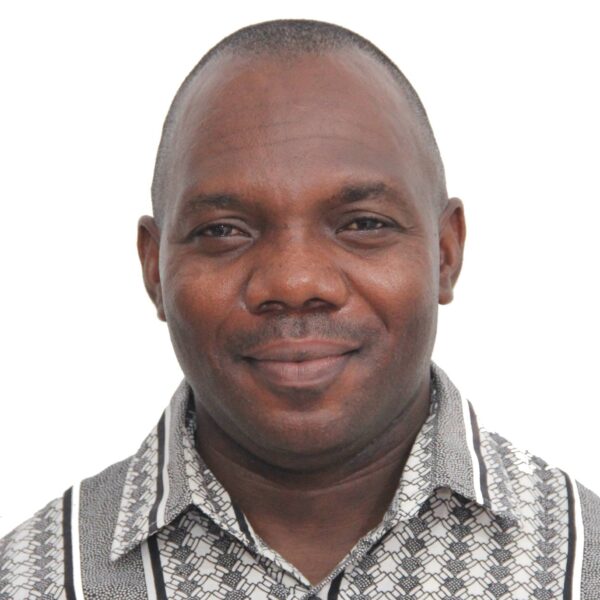
The Politics of Division and the Price Nigeria Pays -By Abdulsamad Danji Abdulqadir
Ultimately, North South politics is not just a distraction it is a deliberate diversion from the failures of leadership. It keeps citizens divided while insecurity spreads, the economy weakens and trust in institutions declines. Nigeria cannot afford this continued fragmentation. The nation’s future depends on unity rooted in justice, fairness and good governance.


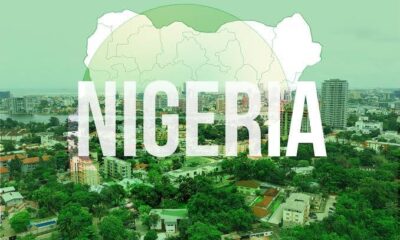
Nigeria is a country of immense diversity of cultures, languages, religions and histories. This diversity, when properly managed, should be a source of strength. Unfortunately, in the nation’s political space, diversity has often been weaponised. Today, one of the most persistent and damaging narratives in Nigerian politics is the framing of national issues as a contest between the North and the South. This obsession with regional identity has become a dangerous distraction from the real work of governance and nation-building.
At every election cycle, Nigerians are urged to vote based on where candidates come from rather than what they stand for. Public debates are less about policies and more about zoning, rotation and regional entitlement. While inclusivity in leadership is important, the overemphasis on North–South politics has turned governance into a symbolic struggle instead of a practical effort to improve lives. The result is a political culture where competence, vision and integrity are sacrificed on the altar of regional balance.
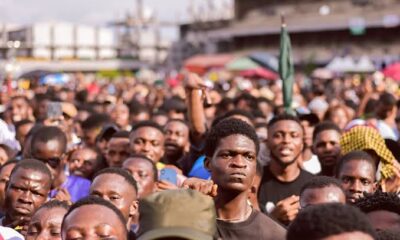
The human cost of this distraction is enormous. Across the country, ordinary Nigerians face the same daily realities rising food prices, unemployment, insecurity, poor healthcare and failing education systems. A farmer in Katsina worries about bandit attacks just as a farmer in Oyo worries about herdsmen conflicts. A trader in Onitsha feels the pressure of inflation just as much as a trader in Kano. These shared struggles reveal a simple truth: suffering in Nigeria does not wear a regional identity.
Yet, instead of uniting around these common challenges, citizens are often pushed into defending regional positions. Leaders who fail to deliver are shielded by ethnic and regional loyalty. Criticism of poor performance is quickly reframed as an attack on a region, not an assessment of leadership. This emotional manipulation weakens democracy, because democracy thrives on accountability, not sentiment.
North–South politics also erodes national accountability by lowering expectations of leadership. When leaders are selected primarily to satisfy regional demands, the standard of performance is compromised. Once in office, such leaders may feel more accountable to regional power brokers than to the Nigerian people as a whole. Governance becomes transactional, focused on appeasing interests rather than solving problems.
Beyond governance, the constant emphasis on regional division damages national unity and social trust. It fuels suspicion and resentment among citizens who otherwise coexist peacefully. In reality, Nigerians interact across regional lines every day—through business, education, marriage and religion. The average Nigerian is more concerned about survival than about regional superiority. However, political rhetoric often exaggerates differences, creating an illusion of permanent hostility where none naturally exists.
History offers valuable lessons. Nigeria’s most significant moments of progress have come during periods of collective national focus, not regional rivalry. Developmental strides in education, infrastructure and economic growth have never been exclusive to one region. They emerged when leadership prioritised national interest over sectional advantage. Conversely, moments of national stagnation have often coincided with deepened divisions and identity politics.
To move forward, Nigerians must consciously reject narratives that reduce leadership to geography. The central questions of political engagement should be clear and consistent: Does this leader understand the problems of the people? Do they have the competence to address them? Are they accountable, transparent and committed to justice? These questions matter more than whether a leader is from the North or the South.
The media, civil society and educational institutions also have a responsibility to elevate the quality of public discourse. Rather than amplifying divisive rhetoric, they should promote issue-based debates and policy literacy. Citizens must be encouraged to think critically, to interrogate power and to demand results, not excuses framed in regional language.
Ultimately, North South politics is not just a distraction it is a deliberate diversion from the failures of leadership. It keeps citizens divided while insecurity spreads, the economy weakens and trust in institutions declines. Nigeria cannot afford this continued fragmentation. The nation’s future depends on unity rooted in justice, fairness and good governance.
Only when Nigerians see themselves first as citizens with shared destinies not as representatives of competing regions can the country begin to fulfil its promise. The choice before us is clear: remain divided by geography or united by purpose. For Nigeria to progress, it must be the latter.




















You must be logged in to post a comment Login