
Forgotten Dairies
Electronic Cigarettes and Ethical Collapse in Modern Public Health Law -By Fransiscus Nanga Roka
We hardly call this public health law anymore, but nonetheless the lawsuit would have to do much more than manage damage control. It should prohibit flavors that attract children, clamp down on predatory advertising and establish stricter product standards while treating appeals for nicotine marketing with the skepticism it has earned. Anything other than this is not real regulation. It is moral failure masquerading as policy.

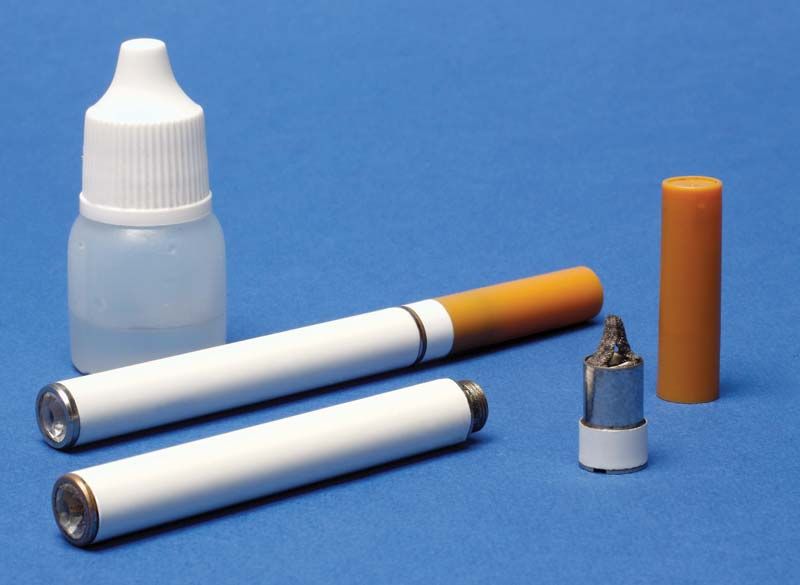
In the case of vaping, it is not just that there are scandal. All the more scandalous is that modern public health law has too often responded to it with faltering, fudging and moral cowardice in an era when global authorities are warning how zealously e-cigarettes are being marketed to children and young people.
The industry has peddled a seductive fiction: this was innovation not addiction; harm reduction not market expansion; choice, personal freedom fighting the vitalist hugger mugging dependency forming nicotine mouth on false frontiers of human advance. Check the trigger though, facts are more difficult to perfume than mango scented freeze spray. He described e-cigarettes as a product that is being knowingly and aggressively targeted towards children and adolescents, pressing for “action to prevent uptake” in order to tackle nicotine addiction.
And herein lies the seed of ethical collapse. And law was supposed to protect the most vulnerable from predatory markets. Rather, regulation lagged while product design, flavors and digital marketing rushed ahead in too many places. The WHO has been arguing for a decade that advertising should be restricted, unproven health claims banned and tobacco control policy defended against vested commercial interests.
The end product is usually not so much a public health safety net as an order to surrender under supervision. According to the CDC, all tobacco products (including e-cigarettes) are not safe for children and teens and young adults; most e cigarettes contain nicotine which is very addictive. It also cautions that nicotine can adversely affect areas of the adolescent brain responsible forattention, learning and impulse control.
Those who support keeping the status quo point to public health agency data that show youth e-cigarette use in the United States falling. Indeed, the FDA and CDC found that current youth e-cigarette use dropped from 2.13 million in 2023 to 1.63 million last year – or down from a rate of 7.7% in 2023 (the first full calendar when JUUL was widely available) to just under one-fifth as much: a rate of only %5.9 by comparison now However, a decrease is not vindication. A society does not celebrate that it has (more or less) reduced the exposure to a problem it allowed first out of control.
Even now, the magnitude of destruction is alarming. Per a 2024 WHO youth tobacco factsheet, at least 40 million young people ages 13 through15 globally use any form of tobacco and WHO’s most current advocacy materials continue to track e-cigarette uptake as an area of significant concern. That is not a niche issue. It is, rather, a warning flare that public health law has been outflanked by a nicotine dependent commercial model.
Those are not the only ethics issues relating to its product line. That would be the regulatory hypocrisy surrounding it. And yet governments that never in a million years would have accepted cartoon-branded insulin or candy-flavored antibiotics somehow stood by as nicotine could be ensconced in shiny devices and dessert-like branding. In particular, WHO recommends bans on flavors appealing to children and adolescents as well as say countries “should take action…to reduce the appeal of tobacco products including e-cigarettes” Neutrality becomes complicity when lawmakers pocket power over appeal as part of the addiction strategy and then proceed in hesitating.
One inconvenient fact gets hazy in this debate: e-cigarettes may enable some adult smokers to quit combustible tobacco. WHO recognises that the specific national context may influence decisions, but counsels that effective cessation paradigms should be used first and any role for cessation products must comply with strict regulations; medicinal-product-type standards where indicated. That is by no means a free pass for widespread commercial advertising. It is the opposite.
Public health law ceases to be ethical when it conflates “less harmful than cigarettes” with “acceptable at any rate, therefore suitable for normalisation”. The WHO has also claimed that there isn’t enough evidence to convince people that e-cigarettes help smokers quit, and said the aerosol is not simply water vapour. And yet over and over again, the public was given assurance first caution later.
That sequence matters. By the time law catches up, dependency has consumers, industry has media items and adolescents have been brought into a market they never even meaningfully consented to join. This is not freedom. It is engineered vulnerability.
We hardly call this public health law anymore, but nonetheless the lawsuit would have to do much more than manage damage control. It should prohibit flavors that attract children, clamp down on predatory advertising and establish stricter product standards while treating appeals for nicotine marketing with the skepticism it has earned. Anything other than this is not real regulation. It is moral failure masquerading as policy.
Fransiscus Nanga Roka
Faculty of Law University 17 August 1945 Surabaya Indonesia



























You must be logged in to post a comment Login