
Forgotten Dairies
Electricity Crisis In Nigeria -By Emiaso Emuhowho Abigail
Is derived from natural source such as wind power, water power, or the heat of the sun. They are dependable and inexhaustible sources of energy which are also more environmentally friendly. Examples of renewable sources are: Wind Energy, Photovoltaic Solar Energy and Hydropower Energy.

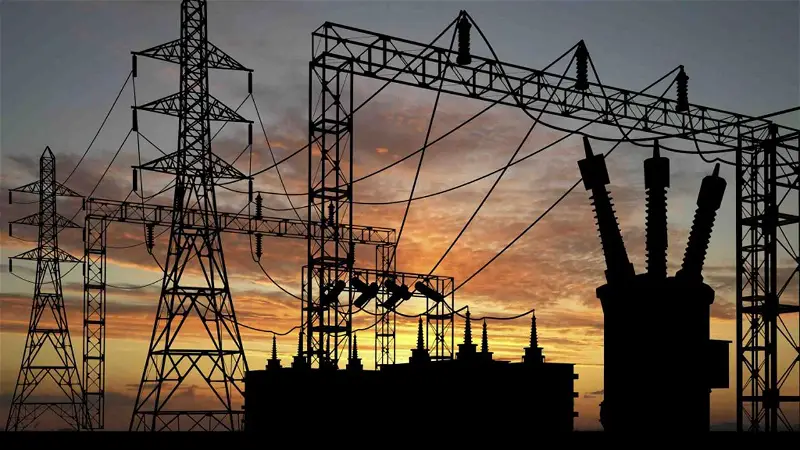
Nigeria faces a severe problem of lack of electricity which has been ongoing over the years. In modern life, electricity is a vital resource powering everything in our daily activities. Lack of electricity in Nigeria has a ripple effect on lives, businesses and the economy. All over the world, electricity is
widely used because of its versatility and efficiency. Electricity is seen as the foundation for the transmission of energy that reduces the environmental impact and provide a safe and obtainable supply for all.
In this Article, we shall discuss, what Electricity is, importance of electricity, Electricity crisis and causes of electricity crisis in Nigeria, the adverse effect of electricity crisis in Nigeria, and the possible solutions of electricity crisis in Nigeria.
WHAT IS ELECTRICITY?
Merriam-Webster Dictionary defines electricity as “a fundamental entity of nature consisting of negative and positive kinds, observable in the attractions and repulsions of bodies electrified by friction and in natural phenomena (as lighting or aurora borealis), and usually utilized in the form of electric currents”.
IMPORTANCE OF ELECTRICITY
Electricity is vital in our modern civilization. It is the backbone powering every aspect of our daily works. Some key importance of electricity are: Healthcare and Medical Technology: To power their life-saving equipment, diagnostic imaging, and temperature-controlled storage for critical medications and vaccines. It fosters global communication through the use of internet, telecommunications, and digital networks: The Manufacturing Industries
use it to run heavy machinery, automated robotics in factories for mass production of goods. Lighting and Security: It illuminates homes, streets, and public spaces, resulting in safety and improving societal and commercial activities. Household Convenience: Electricity is used to power some home appliances such as washing machines, refrigerators, electric iron, charge phones, rechargeable torches ‘air conditioners, etc which helps to improve standard of living and reducing domestic labour.
Agriculture and food supply: It’s used for automated irrigation, crop harvesting, cold storage and processing plants to prevent food spoilage. It’s used for Commerce and Business operations, enhancing global economy. It’s used in Education and Research activities. E.T.C.
ELECTRICITY CRISIS IN NIGERIA
What is Crisis and Electricity Crisis? Merriam-Webster defines Crisis as a situation that has reached a critical phase. An Electricity Crisis is defined as any significant shortage in energy supply to a country or region
The Nigerian Electricity Crisis refers to the continuous failure of sufficient electricity supply to meet the country’s power demand by the Nigerian Power Sector. Electricity in Nigeria is controlled by a mix of Federal and States bodies, overseen primarily by Nigerian Electricity Regulatory Commission (NERC). Nigeria suffers energy poverty amidst vast resources, and despite holding some of the largest gas reserves in the world. The country suffers and struggles to provide dependable power to over 200 million people, and only producing less than 4,000MW of power which is not enough to meet the country’s need. In some places, the electricity is only on, for few hours and is off for many days, while in other places, there’s no light at all.
CAUSES OF ELECTRICITY CRISIS IN NIGERIA
Some of the causes of electricity crisis in Nigeria include: Limited installed power capacity, Lack of investment in the Power Sector due to some factors such as corruption, mismanagement of
fund and resources, lack of political will, electricity supply etc which pose a major challenge in planning and investment in the power sector. Inadequate power infrastructure: The country’s power infrastructure is woefully insufficient, and cannot satisfy the country’s demand. Many infrastructures are old, and are not maintained. The Problem of Gas supply and vandalism stop gas from flowing to the power stations. Lack of good contract implementation also affects it.
THE ADVERSE EFFECTS OF ABSENCE OF ELECTRICITY IN NIGERIA
Lack of consistent grid power and infrastructures have sweeping impacts across the nation, as highlighted in reports like the Olaniwun Ajayi LP Analysis. Some of these effects are: It hinders economic growth and development- it cripples the economy, in spite of the rich natural resources in Nigeria, causing abject poverty. It disrupts businesses – causes financial losses, inflation in prices of goods and services, as people now depend on off-grid fuel. It affects Healthcare and essential services
such as compromising patient care, causing water scarcity etc. It affects education and productivity – It hinders e-libraries computer labs accessibility, constrained work hours. It affects the quality of life- no electricity to power home appliances. No light, so people resolve to buy battery torches, rechargeable torches, after-Nepa torches which spoil easily. It causes heavy reliance on fuel and diesel generators – causing noise, air pollution, and life hazard.
POSSIBLE SOLUTIONS FOR NIGERIA’S ELECTRICITY CRISIS:
Nigerian’s government need to invest heavily in sustainable energy resources. Also to assign
selfless and men of integrity for good implementation and supervision of the work. Gujba, Mulugetta, and Azapagic (2011) suggested a harmonization of different forms of energy. They suggested some reliance on renewable energy sources.
Renewable Energy: Is derived from natural source such as wind power, water power, or the heat of the sun. They are dependable and inexhaustible sources of energy which are also more environmentally friendly. Examples of renewable sources are: Wind Energy, Photovoltaic Solar Energy and Hydropower Energy.
CONCLUSION:
God said, “Let there be light” and there was light. Before God created light, the earth was without form, and void; and darkness was on the face of the deep. God had to established light before creating other things. This shows how important light is to humans and creation or development of things. Without Electricity, the country will be in darkness and without form, i.e. formless in technology, economic
development, civilization, productive education etc and not able to attain the proper structure and position of how things should be in the nation. So the government should fix the problem of electricity in Nigeria.
REFERENCES:
Scribd (The Importance of Electricity in Daily Life/PDF-Scribd, thentf.org/article, Nigeria energy
supply crisis Wikipedia page (The Guardian Nigeria’s Editorial), (https://study.com), Merriam-Webster
(https://www.merriamwebstericom), Gujba, Mulugetta, and Azapagic (2011)



















You must be logged in to post a comment Login