
Forgotten Dairies
The Commercialization of News and the Erosion of Trust in Nigerian Journalism -By Aliyu Umar Yusuf
This is bigger than brown envelopes. Brown envelopes tried to influence how a real story was told. Selling fake news as news manufactures the story from scratch. In the age of digital journalism, it can be done at scale and spread in seconds. It is a direct attack on the idea of journalism.

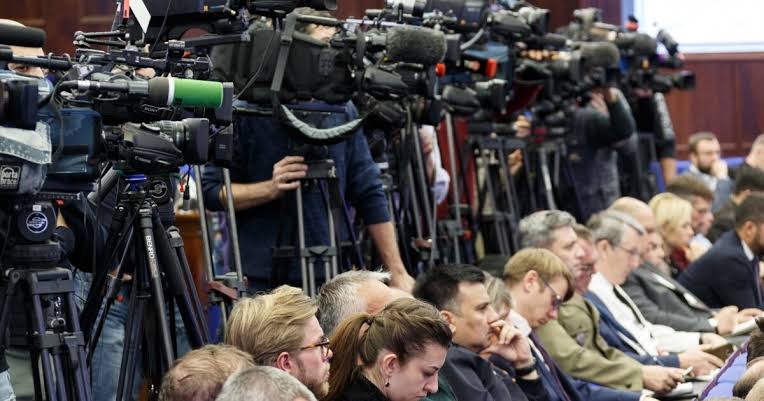
Nigerian news organizations are in the middle of a deep revenue crisis. Advertising income has shrunk, print circulation continues to fall, and even digital platforms that promised scale are struggling to monetize. Under that pressure, many media houses have turned to SPONSORED news as a quick fix. What began as a survival tactic is now threatening the credibility of the profession itself, and the problem is spreading fastest in digital journalism where the barriers to publishing are lowest.
The problem did not start today. For years we complained about “brown envelope journalism,” where reporters were given allowances to soften or kill stories. That practice has now mutated into something more dangerous: direct pay-for-publication. In the digital space, it is even easier. Anyone with a budget can draft a press release, fabricate claims, and send it to an online outlet or blog. If the fee is paid, the story runs within minutes. It is often labeled only as SPONSORED and placed on the homepage right next to genuine reporting, with no clear separation, and then amplified across WhatsApp, Facebook, and X before anyone can verify it.
This is already playing out at the state level. In Bauchi, for example, several local online news sites have become known for publishing “sponsored exclusives” that read like press releases for politicians, contractors, and NGOs. A story alleging a project commissioning or a donation will appear with a news headline and a byline, but no independent verification. To a reader scrolling on their phone, it looks exactly like reporting. Because digital outlets depend heavily on traffic and shares, the incentive to publish first and ask questions later is even stronger than in print.
Most readers do not see the difference. When false or misleading information is published under the name of a known media house, the public cannot tell truth from paid fiction. That confusion does more than mislead people in the moment. It chips away at the reputation of the outlet, and over time, at the reputation of journalism as a whole. If the trend continues, the industry risks hitting a breaking point. For the sake of 20,000 naira, we may reach a point where the public stops believing news entirely. That would be the end of the social contract between the press and the people it serves.
Part of the problem is transparency. Paid content should be clearly marked as “Advertorial” or “Paid Content” and kept in a space separate from editorial. Right now that line is blurred, both in legacy newsrooms and on digital platforms. To an average reader in Abuja, Lagos, or Bauchi, a sponsored story on a website looks exactly like an investigative report. That blurring also erodes public trust. Journalism only works when audiences believe reporters are independent. Once people suspect that every story can be bought, they will dismiss even legitimate, public-interest work. Trust takes years to build and one scandal to lose.
There are also legal and ethical consequences that many outlets overlook in the rush for cash. Publishing false information for money opens media houses to defamation suits, and to sanctions from regulators like the National Broadcasting Commission and professional bodies like the NUJ and NPAN. For digital outlets, there is the added risk of platform takedowns and loss of monetization when misinformation is flagged. A short-term payment can easily turn into long-term financial and reputational damage.
The pressure is real, but alternatives do exist. Across Africa, outlets are testing subscriptions, membership models, events, grants for public-interest reporting, and branded content that is clearly labeled as advertising. In Nigeria, a few digital platforms are building communities around newsletters and fact-checking desks to restore trust. These models grow slower, but they protect editorial integrity. Media literacy also has a role to play. Audiences need better tools to spot sponsored content. Yet the first responsibility still lies with newsrooms to uphold their gatekeeping standards, whether they publish on paper or online.
This is bigger than brown envelopes. Brown envelopes tried to influence how a real story was told. Selling fake news as news manufactures the story from scratch. In the age of digital journalism, it can be done at scale and spread in seconds. It is a direct attack on the idea of journalism.
Newsrooms cannot survive on principle alone. But if the solution to the revenue crisis is to sell lies, there will soon be no audience left to sell to. The question facing Nigeria’s media industry now is which path to take first: stricter regulation and enforcement by regulators and professional bodies, or a deliberate shift by media houses toward sustainable business models that do not compromise editorial independence.

























You must be logged in to post a comment Login