
Economy
Debt Relief and the Imperative of Economic Transformation in Nigeria -By Kenechukwu Aguolu
If combined with the current administration’s fiscal reforms and a broader programme of economic transformation, debt relief could provide Nigeria with the foundation for sustainable growth, greater economic resilience, and long-term prosperity. The challenge before policymakers is not simply to reduce debt, but to build an economy capable of generating sufficient wealth and opportunities for its rapidly growing population.


Nigeria stands at a critical economic crossroads. Barely two decades after securing a landmark debt relief package from the Paris Club under the administration of former President Olusegun Obasanjo, the country once again finds itself burdened by mounting debt obligations. This reality raises an important question: Should Nigeria seek debt relief again?
The answer is not straightforward, but there is a compelling case for debt relief as part of a broader strategy to reposition the nation’s economy. Debt relief should not be viewed as an escape from financial responsibility but as an opportunity to create fiscal space for growth-enhancing investments and structural reforms.
The debt relief secured in 2005 was widely celebrated as a major achievement. It significantly reduced Nigeria’s external debt burden, improved the country’s credit profile, and provided room for government to channel resources towards development. Unfortunately, the gains from that historic relief were not fully consolidated. Today, debt servicing consumes a substantial portion of government revenue, leaving limited resources for critical investments in infrastructure, education, healthcare, housing, security, and other essential public services.
The fundamental challenge lies in the widening gap between government revenue and national expenditure requirements. Nigeria’s population has grown significantly over the years, increasing demand for public services, infrastructure, employment opportunities, and social welfare programmes. Yet revenue growth has not kept pace with these rising demands. The consequence has been a persistent dependence on borrowing to finance development projects and government operations.
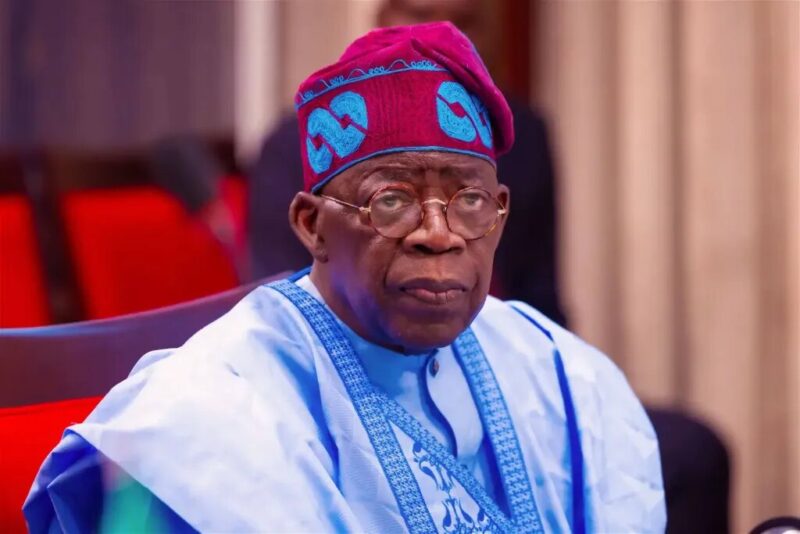
To its credit, the administration of President Bola Ahmed Tinubu has taken bold and necessary steps to improve the nation’s fiscal position. The ongoing tax reforms are aimed at broadening the revenue base, improving tax administration, reducing leakages, and creating a more efficient and equitable tax system. Likewise, the removal of fuel subsidies, though painful and unpopular in the short term, has eliminated a major drain on public finances and created an opportunity to redirect resources towards productive sectors of the economy.
These reforms demonstrate a willingness to confront some of the structural challenges that have hindered economic growth for decades. However, revenue reforms alone may not be sufficient to bridge the country’s substantial financing gap. Nigeria must complement these efforts with a comprehensive programme of economic transformation.
A key component of this transformation is economic diversification. For too long, Nigeria has relied heavily on oil revenues, exposing public finances to fluctuations in global oil prices. The country possesses enormous potential in agriculture, manufacturing, solid minerals, technology, tourism, and the creative economy. Unlocking these sectors would generate employment, increase exports, strengthen foreign exchange earnings, and broaden the government’s revenue base.
Equally important is investment in human capital development. Sustainable prosperity is built on the productivity of a nation’s people. Improving the quality of education, healthcare, vocational training, entrepreneurship development, and digital skills acquisition will equip Nigerians with the capacity to compete in an increasingly knowledge-driven global economy.
Government must also continue strengthening domestic revenue mobilisation while ensuring that taxation does not stifle business growth. Public expenditure should become more transparent, accountable, and efficient. Citizens deserve assurance that public funds are being utilised responsibly and that borrowed resources are directed towards projects capable of generating economic and social returns.
The role of the private sector is equally critical. Economic growth is more sustainable when driven by innovation, investment, and entrepreneurship. Policies that encourage local and foreign investment, industrialisation, and ease of doing business will be essential to unlocking Nigeria’s vast economic potential.
Debt relief would undoubtedly provide Nigeria with fiscal breathing space and reduce pressure on public finances. It would allow more resources to be channelled towards development priorities rather than debt servicing. However, debt relief should be viewed as a means to an end, not an end in itself. The lesson from the Obasanjo debt relief era is clear: debt relief creates opportunity, but lasting prosperity depends on how that opportunity is utilised.
If combined with the current administration’s fiscal reforms and a broader programme of economic transformation, debt relief could provide Nigeria with the foundation for sustainable growth, greater economic resilience, and long-term prosperity. The challenge before policymakers is not simply to reduce debt, but to build an economy capable of generating sufficient wealth and opportunities for its rapidly growing population.

















You must be logged in to post a comment Login