
Economy
Growth on Paper, Hunger in Reality: When Economic Statistics Fail to Tell the Full Story -By Abdulsamad Danji Abdulqadir
Growth should not exist merely in reports, charts, and presentations. It should be visible in homes where families can afford meals, in classrooms where children can learn without barriers, in hospitals where patients can access treatment, and in communities where citizens can pursue their dreams without the constant burden of economic hardship.

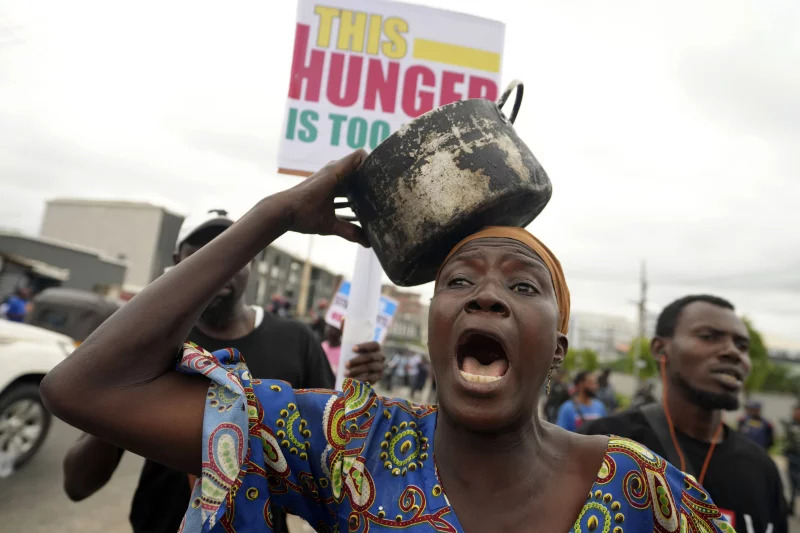
Every day, Nigerians wake up to headlines about economic growth, government reforms, and projections of a brighter future. We hear about rising GDP figures, improved economic indicators, and positive forecasts from financial institutions. On paper, these numbers often paint a picture of progress and development.
Yet, for millions of Nigerians, reality tells a different story.
For the average citizen in the market, on the farm, in the classroom, or on the streets searching for daily income, life has become increasingly difficult. Food prices continue to rise, transportation costs consume a larger share of household income, and many families struggle to afford basic necessities. Parents are forced to make difficult choices between feeding their families, paying school fees, or seeking medical care.
This contradiction raises an important question: Can a nation truly be progressing when many of its citizens are sinking deeper into hardship?
A quote circulating on social media captures this concern perfectly: “When a nation’s growth rises on paper but its people sink in hunger, that is not progress—it is polished poverty wearing a mask of statistics.” Whether one agrees entirely with the statement or not, it highlights a painful reality that many people can relate to.
Economic growth is undoubtedly important. No nation can develop without expanding its economy, attracting investment, building infrastructure, and creating opportunities for businesses. Growth provides the resources needed for development. However, growth should never be viewed as an end in itself. Its ultimate purpose is to improve the lives of people.
When citizens cannot feel the impact of economic growth in their daily lives, the meaning of that growth becomes questionable.
The woman selling vegetables in a local market does not measure development through GDP reports. She measures it by how much she can earn and how much food she can buy with that income. The civil servant does not judge economic success by statistical charts; he judges it by whether his salary can cover rent, transportation, and his children’s education. The student looks beyond economic projections and wonders whether there will be opportunities after graduation.
For these Nigerians, development is not a figure on a report. It is the ability to live with dignity.
One of the greatest challenges facing developing countries is the gap between economic performance and human welfare. An economy may grow while inequality widens. Investments may increase while unemployment remains high. Government revenue may improve while poverty continues to affect millions of households.
This is why experts increasingly emphasize the importance of inclusive growth—a form of growth that benefits everyone, not just a privileged few. Inclusive growth ensures that economic gains translate into better jobs, quality education, affordable healthcare, food security, and improved living standards for ordinary citizens.
Nigeria possesses enormous potential. The country is blessed with a youthful population, vast natural resources, entrepreneurial talent, and a resilient people who continue to persevere despite numerous challenges. However, unlocking this potential requires policies that place people at the centre of development.
Government policies should focus not only on increasing economic output but also on reducing poverty and creating opportunities for those at the grassroots. Investments in agriculture, education, healthcare, small businesses, and job creation can produce lasting benefits that directly impact the lives of citizens.
At the same time, accountability and transparency remain essential. Citizens deserve to understand how economic growth translates into improvements in their communities. Roads, schools, hospitals, employment opportunities, and affordable food are the real indicators of progress that people can see and experience.
History has shown that nations achieve lasting development not simply because their economies grow, but because that growth improves the quality of life of their people. True progress is measured by the number of children in school, the number of families lifted out of poverty, the accessibility of healthcare, and the opportunities available to the next generation.
As Nigeria continues its journey toward economic development, policymakers must remember a simple truth: statistics matter, but people matter more.
Growth should not exist merely in reports, charts, and presentations. It should be visible in homes where families can afford meals, in classrooms where children can learn without barriers, in hospitals where patients can access treatment, and in communities where citizens can pursue their dreams without the constant burden of economic hardship.
A nation succeeds not when its numbers look impressive, but when its people live better lives.
That is the kind of progress worth celebrating.





















You must be logged in to post a comment Login