
Forgotten Dairies
FG Must Declare State of Emergency Against Fake Drugs and Substandard Consumable -By Michael Oyewole
This crisis demands more than incremental improvement. NAFDAC must be comprehensively rejigged: granted stronger operational independence, adequate and predictable funding, modern laboratory and digital surveillance capacity, specialised units for online commerce, deeper collaboration with security agencies and the judiciary for swift prosecution, and zero tolerance for internal compromise. SON and other agencies must be similarly strengthened and better coordinated under a clear national strategy.


Nigeria is under silent siege. Not from guns or bombs, but from the quiet, relentless invasion of fake drugs, substandard medicines, adulterated foods, toxic fruits, and counterfeit consumables that have flooded our markets, pharmacies, open stalls, and even the digital space. This is no longer a regulatory headache or an occasional scandal. It is a full-blown national emergency that is killing citizens slowly, eroding public trust, and exposing the dangerous failure of systems meant to protect life.
The evidence is everywhere. Fake antimalarials that leave patients sicker. Antibiotics with little or no active ingredient that fuel resistance and turn treatable infections into death sentences. Hypertension and diabetes medications that do nothing while organs fail. Fruits force-ripened with toxic chemicals. Palm oil dyed to look pure. Yoghurt, toothpaste, bottled water, and cosmetics that look genuine but are poison in disguise. Markets from Idumota to Onitsha, Aba, and Sabon Gari have become notorious distribution hubs. Online platforms have become shadow markets where unregulated products are sold without scrutiny. The result is a quiet epidemic of treatment failure, organ damage, preventable deaths, and shattered families.
Many now replicate packaging, holograms, batch numbers and even NAFDAC registration numbers so closely that consumers, and sometimes health professionals, struggle to tell the real from the fake. The poison is not limited to pharmacies. Social media is full of exposés of suspected fake toothpaste, dyed palm oil, painted apples, counterfeit soy sauce and olive oil, and imitation yoghurt. The media is awash with reported wave of online campaigns exposing fake food, drugs, cosmetics and other consumer goods. Citizens, students’ bodies and health workers are raising the alarm, often doing the work our institutions should be doing.
No cadre of society is safe. This is not a problem confined to the poor who buy from roadside chemists because they cannot afford better. It reaches the highest levels of privilege. Former Vice President Professor Yemi Osinbajo recently shared a personal and deeply troubling account. His wife, Dolapo, had abandoned carbonated drinks for the healthier habit of drinking freshly squeezed orange juice every morning. After a period of unexplained headaches, she investigated. Laboratory tests returned a shocking verdict: the freshly squeezed juice was unfit for human consumption. The fruits had been contaminated by dangerous chemicals used by farmers and sellers to force ripening and improve appearance; substances including calcium carbide and other highly toxic agents. If a family with the resources, knowledge, and access of the Osinbajos could be exposed in their own home, what hope remains for the ordinary Nigerian market woman, the student in a hostel, the rural child with malaria, or the civil servant buying medicine after work?
A man who spent eight years at the centre of power, with access, security and the best advice available, still found a hazardous product in his own home. If privilege could not protect that household, what hope does the market woman, the student, the civil servant or the rural farmer have? Professor Osinbajo was also careful to note that cancer is a complex disease and that not every death can be blamed on fake products. That honesty makes his warning more credible. The risk is real and it cuts across every class.
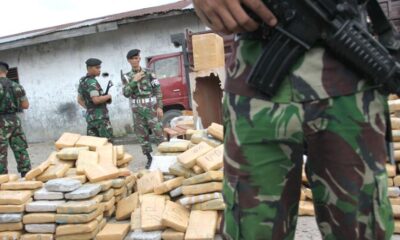
NAFDAC says that between May and July 2026 it mopped up 7,210 suspected fake, falsified, substandard and non-compliant products in nationwide operations. It reports that its February and March 2025 raids on Idumota, Onitsha and Aba led to the seizure and destruction of more than 137 forty-foot truckloads of counterfeit goods valued at over ₦1.5 trillion. The agency also destroyed ₦15 billion worth of fake, expired and banned medicines in Ibadan in February 2026. Its officers have raided drug hawkers in Lagos, Kaduna, Abuja and Asaba, arresting more than 15 people. It has also secured convictions, 64 nationwide, according to a recent report.
The Standards Organisation of Nigeria (SON) has also been active. Under the SON Act of 2015, it holds powers of enforcement, seizure, confiscation and destruction of substandard products, including the power to seal premises where they are made, stored or sold. It has destroyed substandard goods worth billions of naira and, working with the Police, the Civil Defence Corps and Customs, has taken fake tyres, cables, spark plugs and other dangerous goods off the market. Customs has also cooperated with NAFDAC, handing over seized fake products to it and receiving some in return.
These efforts are real, but they are not enough. They are dwarfed by the scale of the problem. The raids make headlines, yet the fakes are back on the shelves within weeks. Sixty-four convictions against a trade worth trillions of naira is a rounding error. Professor Mojisola Christianah Adeyeye, the NAFDAC Director General, has publicly complained that the sentences handed down are too light, citing twelve months for fake ointments and condoms and seven years for fake antibiotics, and has called for far tougher penalties. When the regulator itself says the law lacks teeth, that is an indictment of the system, not of the officers on the ground. Some categories of product are also primarily regulated by sub-national authorities, yet few states have built the capacity or shown the will to match federal efforts. The counterfeiters have moved to social media and e-commerce platforms where verification is weak and consequences are rare.
An emergency is a statement of priority. The dangers are not abstract. Substandard and falsified medicines contribute to tens of thousands of additional deaths from malaria and pneumonia across the region every year. They cause treatment failure, drive antimicrobial resistance, damage the liver, kidneys, and heart, and leave patients believing their illness has simply worsened when the real culprit is the medicine itself. Contaminated foods and fruits introduce toxins that accumulate over time, producing chronic illness, neurological damage, and organ failure. The economic cost; repeated treatments, lost productivity, and the burden on families, is immense.
This crisis demands more than incremental improvement. NAFDAC must be comprehensively rejigged: granted stronger operational independence, adequate and predictable funding, modern laboratory and digital surveillance capacity, specialised units for online commerce, deeper collaboration with security agencies and the judiciary for swift prosecution, and zero tolerance for internal compromise. SON and other agencies must be similarly strengthened and better coordinated under a clear national strategy.
The Federal Government and governments at all levels must now treat this as the national emergency it is. A formal declaration of a state of emergency on fake and substandard drugs, foods, and consumables is the minimum first step. Such a declaration must be backed by concrete action: inter-agency task forces with clear mandates and timelines; mass public education campaigns in local languages; rapid strengthening of border and port controls; mandatory track-and-trace systems for critical medicines; severe and consistently applied penalties for manufacturers, importers, distributors, and sellers of fake products; and protection for whistleblowers. State and local governments cannot remain spectators. Markets fall under their watch. They must enforce standards, shut down illegal outlets, and support community-level vigilance.
We, the people, cannot continue to accept a situation in which the very products meant to heal or nourish become instruments of harm. The right to safe medicines and safe food is fundamental. When even the privileged are not protected, the social contract is broken. The time for half-measures is over. The time for excuses is over. The Federal Government, working with state governments, the National Assembly, NAFDAC, the Standards Organisation of Nigeria, security agencies, and professional bodies, must act with urgency, coordination, and political will.
The late Dr. Dora Akunyili showed that determined leadership can turn this tide. Nigerians were told then that the fight was impossible, and it proved otherwise. Today’s leaders should show the same courage. The question is not whether we can afford to act. We cannot afford another year of silence while Nigerians are slowly poisoned.
Michael Oyewole writes from Ilogbo Ekiti and can be reached via Oyewolemichael9@gmail.com



















You must be logged in to post a comment Login