
Forgotten Dairies
2027: Tinubu, Atiku and Obi and the Battle for Nigeria’s Future -By Umar Sani Naallah
If Atiku and Obi continue with their separate presidential bids, the opposition vote could once again become fragmented, creating a pathway for Tinubu to secure re-election.

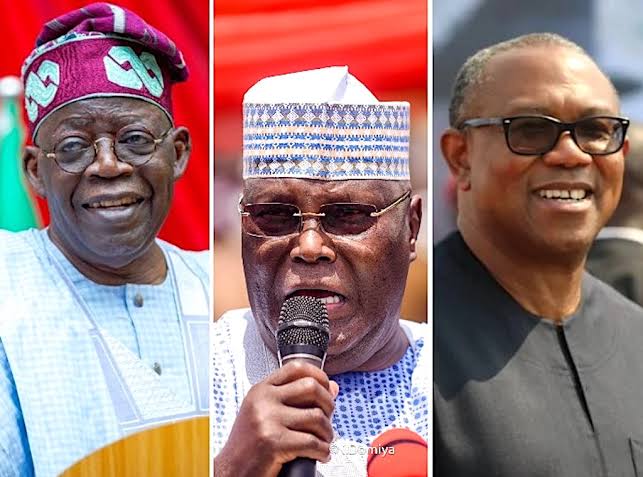
As Nigeria gradually moves closer to the 2027 general elections, political conversations are beginning to dominate public discourse once again. From the streets of Kano to the business districts of Lagos, from university campuses in Nsukka to village squares in Adamawa, one question continues to echo across the country: who will lead Nigeria after 2027?
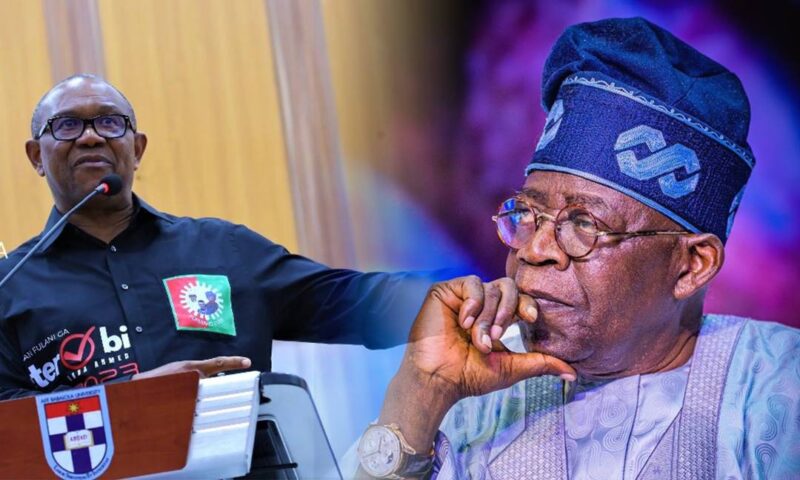
Although many names may eventually appear on the ballot, three political figures currently stand at the centre of the conversation: President Bola Ahmed Tinubu, former Vice President Atiku Abubakar, and former Anambra State Governor Peter Obi.
Each of these men represents a different political tradition, appeals to different segments of the Nigerian population, and carries distinct strengths and weaknesses into what may become one of the most consequential elections in Nigeria’s democratic history.
The Advantage of Power: Tinubu’s Position
President Bola Ahmed Tinubu enters the race from a position of strength. As the incumbent president, he enjoys the advantages that come with holding the nation’s highest office.
Throughout Nigeria’s political history, incumbency has often proven to be a powerful asset. Beyond the visibility of the office itself, the president benefits from an established party structure, relationships with governors and political stakeholders across the federation, and the ability to influence the national conversation.
The All Progressives Congress (APC) remains one of the most formidable political machines in the country. Its influence stretches across much of the South West, parts of the North West, and several states where it controls government structures.
Yet, power alone may not guarantee victory.
For many ordinary Nigerians, the true measure of any administration lies not in political calculations but in daily realities. The rising cost of food, transportation expenses, unemployment, and concerns about security continue to shape public opinion. While supporters of the administration argue that economic reforms require time to yield results, critics insist that many Nigerians are bearing an unbearable burden.
Whether voters perceive improvement or continued hardship by 2027 could significantly influence Tinubu’s chances.
Atiku Abubakar: The Veteran Challenger
If political experience alone determined elections, Atiku Abubakar would be difficult to defeat.
Having spent decades in Nigerian politics, Atiku remains one of the most recognisable and influential political figures in the country. His network across Northern Nigeria, particularly in the North East and North West, remains extensive.
Among many traditional political elites, Atiku is still regarded as a bridge builder capable of assembling coalitions across ethnic, religious, and regional lines. His supporters argue that his experience in governance and business gives him the capacity to address Nigeria’s complex challenges.
However, Atiku faces challenges of his own.
For some voters, particularly younger Nigerians, his repeated presidential bids have created a sense of political fatigue. There is also the lingering question of power rotation. Many southern voters believe that after eight years of President Muhammadu Buhari from the North, the South should be allowed to complete another full eight year cycle before power returns northward.
This argument could become a significant obstacle as Atiku emerge as a major contender.
Peter Obi: The Candidate of Change
No political figure in recent Nigerian history has mobilised young people quite like Peter Obi.
His emergence transformed political conversations, particularly among urban voters, students, professionals, and many Nigerians who felt disconnected from traditional political structures.
For his supporters, Obi represents a departure from politics as usual. His message of accountability, prudent management of public resources, and institutional reforms resonates strongly among citizens seeking a new direction for the country.
Yet enthusiasm alone does not win elections.
One of Obi’s greatest challenges remains expanding his influence beyond his strongest support bases. While he enjoys enormous popularity in parts of the South East and among young voters nationwide, translating that popularity into electoral victories across Nigeria’s vast and diverse political landscape remains a difficult task.
The challenge is not merely attracting supporters but building the political structures necessary to compete effectively in every corner of the country.
The North-South Divide
Any serious discussion about Nigerian presidential politics must acknowledge the enduring influence of regional considerations.
Nigeria’s political history has often been shaped by an informal balancing act between North and South. While competence and policy matter, regional identity continues to influence political calculations.
Many northern voters may naturally gravitate toward a candidate they believe understands their challenges and aspirations. Similarly, many southern voters continue to support the principle of rotational leadership as a means of preserving national balance and unity.
This dynamic places the three leading contenders in unique positions.
Tinubu benefits from being a southern incumbent. Atiku benefits from his deep northern roots and networks. Obi benefits from southern zoning sentiments while also appealing to a younger generation seeking change.
The Deciding Factors
When all political calculations are stripped away, several issues are likely to determine the outcome of the election.
The economy will matter.
Security will matter.
Unemployment will matter.
The cost of living will matter.
But perhaps the most important factor will be unity among opposition forces.
If Atiku and Obi continue with their separate presidential bids, the opposition vote could once again become fragmented, creating a pathway for Tinubu to secure re-election.
On the other hand, a united opposition front could transform the election into one of the most competitive contests in Nigeria’s democratic history.
Looking Ahead
At this stage, predicting the winner of the 2027 election would be premature. Nigerian politics is famous for producing unexpected alliances, defections, and last minute developments.
What is clear, however, is that the election will likely revolve around three fundamental questions.
Has the Tinubu administration improved the lives of ordinary Nigerians?
Can Atiku convince voters that his experience is the solution to Nigeria’s challenges?
Can Peter Obi convert enthusiasm and popularity into a nationwide electoral coalition?
The answers to these questions will shape not only the outcome of the election but also the future direction of Africa’s most populous nation.
As Nigerians watch events unfold over the coming months and years, one thing is certain: the road to 2027 has already begun.
Umar Sani Naallah writes from Kaduna State, Nigeria.











You must be logged in to post a comment Login