Forgotten Dairies
Stereotypes In Nigeria: The Silent Barrier To National Unity And Progress -By Halima Abubakar Sadiq
Government policies aimed at promoting inclusion, equity, and national integration are equally important. Initiatives that encourage diversity in public institutions, protect citizens against discrimination, and strengthen social cohesion can contribute to reducing the influence of stereotypes in everyday life. However, such policies must be implemented sincerely and consistently to achieve meaningful outcomes.

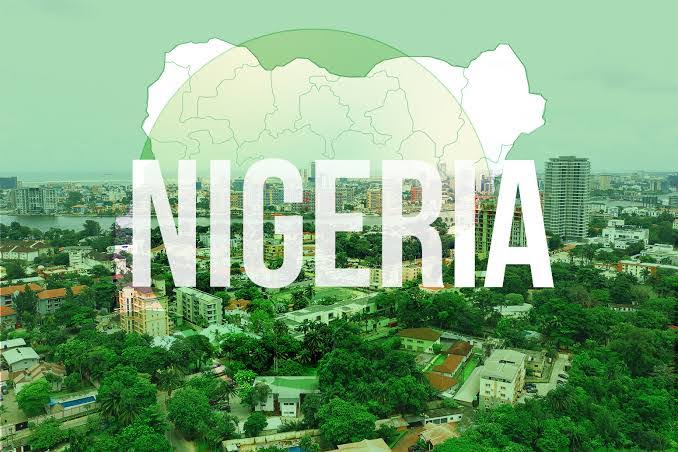
Stereotypes have remained one of the most persistent social challenges confronting Nigeria, a nation blessed with immense cultural, ethnic, and religious diversity. From the northern savannah to the coastal regions of the south, Nigerians are often judged based on preconceived notions attached to their ethnic groups, religious affiliations, gender, or geographical origins. These generalizations, whether positive or negative, shape attitudes and influence interactions among citizens. Unfortunately, many stereotypes are rooted in ignorance, misinformation, and historical prejudice rather than objective realities.
Nigeria is home to more than 250 ethnic groups, each possessing unique traditions, languages, and cultural identities. However, this diversity has frequently been overshadowed by the tendency to categorize people according to narrow assumptions. Certain ethnic groups are stereotyped as being naturally aggressive, dishonest, lazy, overly ambitious, or excessively materialistic. Such labels fail to recognize the complexity of individuals and reduce entire communities to simplistic descriptions that are often inaccurate and harmful.
The persistence of stereotypes in Nigeria can be traced to several factors, including colonial policies, political manipulation, limited intergroup interaction, and biased media portrayals. During the colonial era, administrative structures reinforced divisions among ethnic groups, creating a foundation for mutual suspicion. In the post-independence period, politicians have sometimes exploited these divisions for electoral gains, promoting narratives that portray certain groups as threats or competitors for national resources and political power.
One of the most damaging consequences of stereotyping is the erosion of national unity. When citizens define one another based on ethnic or religious assumptions, trust becomes difficult to establish. People may become reluctant to collaborate, socialize, or engage in meaningful dialogue with those they perceive as different. This weakens the spirit of nationhood and undermines efforts aimed at fostering peaceful coexistence and collective development.
Stereotypes also contribute significantly to discrimination and social exclusion. Individuals may be denied employment opportunities, political appointments, housing, or educational advantages because of assumptions linked to their background rather than their qualifications or character. Such practices not only violate principles of fairness and justice but also deprive society of valuable talents and contributions that could drive national development.
Gender stereotypes constitute another major dimension of the problem. Nigerian women often face expectations that limit their participation in leadership, politics, science, and other professional fields. Similarly, men may encounter societal pressure to conform to rigid definitions of masculinity that discourage emotional expression or alternative career choices. These stereotypes restrict individual potential and reinforce unequal power relations within society.
The media plays a critical role in either reinforcing or challenging stereotypes. Films, social media discussions, and news reports sometimes perpetuate biased representations that strengthen existing prejudices. The frequent portrayal of certain regions solely through the lenses of insecurity, poverty, or corruption can distort public perception and obscure the resilience, creativity, and achievements of the people living in those communities. Responsible journalism and balanced storytelling are therefore essential in promoting a more nuanced understanding of Nigeria’s diversity.
Educational institutions equally have a role to play in combating stereotypes. Schools should encourage intercultural education, critical thinking, and dialogue among students from different backgrounds. By teaching young people to appreciate diversity and question harmful generalizations, the education system can cultivate a generation that values inclusion and mutual respect. Exchange programmes, debates, and collaborative projects can further strengthen these objectives.
Religious leaders and community influencers must also recognize their responsibility in shaping public attitudes. Given their significant influence over followers, they can promote messages of tolerance, compassion, and coexistence. By emphasizing shared human values rather than differences, these leaders can help dismantle stereotypes that fuel hostility and division within communities.
At the individual level, Nigerians must consciously challenge their own biases and assumptions. It is important to judge people based on their actions, character, and integrity rather than on stereotypes associated with their ethnic, religious, or social identities. Genuine interactions and friendships across cultural boundaries can dispel misconceptions and build empathy among citizens.
Government policies aimed at promoting inclusion, equity, and national integration are equally important. Initiatives that encourage diversity in public institutions, protect citizens against discrimination, and strengthen social cohesion can contribute to reducing the influence of stereotypes in everyday life. However, such policies must be implemented sincerely and consistently to achieve meaningful outcomes.
Ultimately, stereotypes represent a silent barrier to Nigeria’s aspiration for unity, peace, and sustainable development. A nation cannot fully harness its human potential when its people remain trapped within the confines of prejudice and mistrust. Nigeria’s strength lies in its diversity, and this diversity should be celebrated rather than feared. By embracing understanding, respect, and open-mindedness, Nigerians can build a society where every individual is valued for who they truly are, not for the stereotypes imposed upon them.
The fight against stereotypes is therefore not merely a social obligation but a national imperative. It demands commitment from families, schools, religious institutions, the media, government, and citizens alike. Only through collective effort can Nigeria overcome the divisions created by stereotypes and move toward a future defined by unity, equality, and shared prosperity.
Halima Abubakar Sadiq student of mass Communication Kashim Ibrahim University Maiduguri.