
Football
FIFA: Beyond Football In The Nigerian Economy -By Ojanuyovwi Ughweme Ujiro
FIFA is not just about ‘international competitions.’ In Nigeria, it acts as a revenue for jobs media infrastructure, tourism and youth development, all adding economic value to Nigeria. To overcome it’s challenges, maintenance of the football facilities and policies to ensure steady flow of money to improve communities is needed, also the convertion of the football’s popularity into sustainable economic values is paramount, and many more.

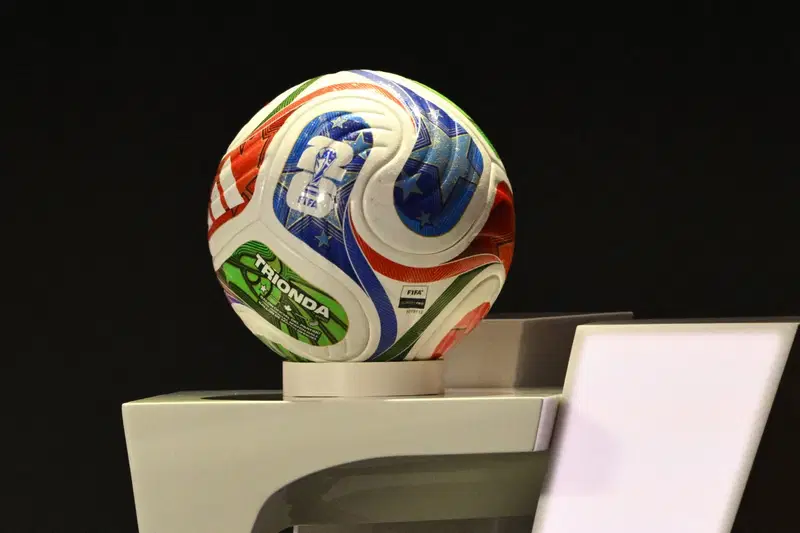
When the word, “FIFA” is mentioned, the first thing most Nigerians think of is,.football, Super Eagles, qualifiers for the world cup and the rest. But, the influence of FIFA has grown beyond the football pitch, through investment, and media, FIFA is reshaping and attaching itself to the economy of Nigeria.
FIFA, which means Féderation Internationale de Football Association, was named by the French and is known as the governing body of football. It was established in the year 1904 and it is responsible for the organization of international football competitions and has promoted the football game world wide. Nevertheless, FIFA has become one of the most lucrative international organization not just because of football but because of the economic impact, cultural activities and social developments that comes with it.
Today, FIFA has more than 200 member association. While football remains it’s central focus, FIFA has taken responsibilities that addresses wider social issues. It brings a sense of oneness to citizens of diverse countries allowing them to interact, flow, improve and strategize for the benefit of citizens.
As a lucrative sport event, the economic impact of FIFA is incredibly massive as it creates revenue for infrastructure, jobs and tourism. It’s impact on infrastructure is seen on how different organizations invest billions to build mouth dropping stadiums and awe striking hotels for footballers and various celebrities across the globe coming from far and near to watch the beauty of FIFA.
Also, tourist gain a lot during this period as people come from far and near to watch not only the game but the country in which it is taking place. In Nigeria for example, the different cultures, beliefs and way of life of the people are displayed, bringing monetary value.
In Nigeria, football is more than a national activity used to pass time, it is a global economic system and driver of pop culture. When the Super Eagles steps into the pitch, the entire country shifts. FIFA and the Nigerian society reflects economic, social, and cultural impact. Also in Nigeria, betting has evolved into a multi-million naira industry, organizations like; Bet9ja, and Sportybet employ youths as agents providing job opportunities. More so, Nigerians who are content creators make millions from football contents.
Futhermore, FIFA has also taken over the gaming platform, giving opportunities to Nigerians to be able to feel the game closely even without being in the field. The game has become so global that a young Nigerian can stay a whole day on that game without getting tired. Players used in the game are same as the ones playing on the pitch so they have more connection and understanding of the players.
Moving on, FIFA brings about a “ jovial clash of culture” taking the competitive nature of football and transferring it to cultural display, giving the same energy to different cultures when performing, to make the performance jovial and more eye-catching. Even when Nigeria did not qualify for the world cup, Nigerian music and dance dominated the stadium, international fans singing and ‘vibing’ to the rhythm of the song. During the 2026 world cup competition, Burna boy’s “Dai Dai” and Rema’s “Goals” dominated the music history of FIFA.
Nigerians were also present at the game, supporting the various clubs they stand for, because football is for all, it brings about togetherness and peace from a struggling country to people all over the world.
Nigerians has a great flare for fashion that every event has a dress theme and style for it. Just like in football, Nigerians has brought out the ‘fashion sense’ of football to a greater level, jersey is not only worn on a football pitch but to church, school, and even social gatherings. It doesn’t ends there, Nigerians have changed the jersey from being just a ‘shirt’ to a beautiful garment that speaks more than football but carries the weight of fashion.
FIFA’s development comes with trainings for referees, medical practitioners, administrators e.t.c, all these sectors transfer those skills to feed into schools, corporatives and private sectors. Brands also invest heavily into football because of the sports economic influence.
Although FIFA has a lot of advantageous influence, it faces some set backs and challenges. FIFA’s economic impact in Nigeria is not globally strong as it should be, because of poor accountability, rarely used facilities, and lack of domestic professional league. If there’s no continuous tournaments, Nigerian stadiums will become a white elephant.
In conclusion, FIFA is not just about ‘international competitions.’ In Nigeria, it acts as a revenue for jobs media infrastructure, tourism and youth development, all adding economic value to Nigeria. To overcome it’s challenges, maintenance of the football facilities and policies to ensure steady flow of money to improve communities is needed, also the convertion of the football’s popularity into sustainable economic values is paramount, and many more.
Also, while Nigerians are celebrated in football for their; attacking fluidity, and speed, the tournament requires a tough defensive measures.



















You must be logged in to post a comment Login