
Breaking News
UK Visa Changes: 7 Ways New Immigration Rules Could Affect Nigerian Students
Nigerian students in the UK face tighter immigration rules, including changes to Graduate and Skilled Worker visas. Here are seven key things to know.

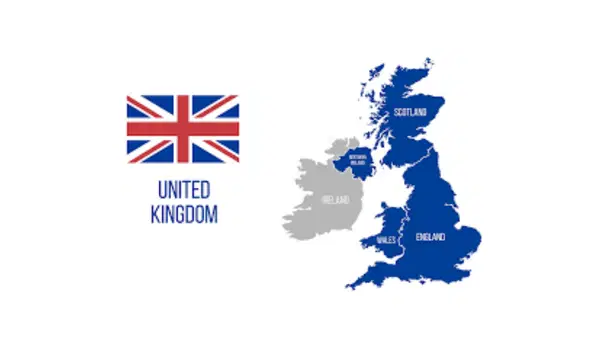
LONDON — New and tighter UK immigration rules could significantly affect international students, including Nigerians, seeking to remain in Britain after completing their studies.
International students have become an increasingly important part of the UK’s migration picture, with more recent arrivals moving from study visas into employment and, in some cases, longer-term immigration routes.
According to a Migration Observatory analysis of Home Office data obtained through Freedom of Information requests, recent international student cohorts are more likely to transition into work visas than students who arrived before Brexit.
The analysis also points to a growing movement of former students into the care sector and examines how recent policy changes could shape their future in the UK.
1. Post-study stay is becoming more common
More recent groups of international students have remained in the UK after graduation compared with earlier cohorts.
Among students who arrived in 2022, 18%, representing about 97,000 people, had moved to work visas within their first year.
However, the eventual number who stay permanently is not yet clear because many recent graduates can initially use the Graduate route to extend their stay.
2. Skilled Worker visas are attracting more graduates
The Graduate route is not the only reason more former students are remaining in Britain.
A growing number are moving directly from study visas to Skilled Worker visas, a long-term route that can potentially lead to permanent residence.
For non-EU students granted study visas in 2021, 23% had switched to Skilled Worker visas by the end of their fourth full year in Britain. In comparison, only 3% of students who arrived in 2010 had made the same transition.
3. Care work accounts for a large share of visa switchers
The care sector has emerged as a major destination for international students transitioning directly from study to work.
Between January 2021 and March 2026, around 52,100 people, representing 44% of those who switched directly from the Study route to the Skilled Worker route, became care or senior care workers.
By comparison, care workers accounted for 29% of Skilled Worker visas issued to people recruited from overseas during the same period.
The proportion has fallen since 2023 following greater scrutiny of care-sector recruitment and additional restrictions on overseas hiring.
4. Some graduates may be working below their qualification level
The Migration Observatory found that some international students entering care work may be overqualified for the roles they take.
While care positions generally require qualifications equivalent to GCSE level, most international students in the UK are studying for master’s degrees.
The analysis said this may mean some former students are unable to use or further develop the skills gained during their university education.
At the same time, those who have already lived and worked in Britain may be less exposed to exploitation than workers recruited directly from overseas.
5. Graduate visas remain a major option
After completing their studies, international students generally have two main options if they want to remain in Britain.
They can move directly to a long-term work visa, such as the Skilled Worker route, or apply for a Graduate visa, which allows them to live and work in the UK temporarily.
Unlike the Skilled Worker route, the Graduate visa has fewer restrictions because holders can take jobs regardless of skill level or salary.
In 2025 alone, 225,000 Graduate visas were granted to international students and their dependants.
6. Immigration restrictions have tightened
The UK has introduced several measures in recent years to tighten immigration rules affecting international students and foreign workers.
In 2024, most international students were prevented from bringing family members to Britain.
The Skilled Worker salary threshold was also increased, while care workers faced restrictions on bringing dependants.
By July 2025, the main Skilled Worker salary threshold had risen to £41,700, while overseas recruitment for care jobs was closed.
The Labour government has further announced that the Graduate route will be reduced from two years to 18 months from January 2027.
7. Permanent settlement may take longer
Recent changes could make it more difficult for international students to remain in Britain permanently.
Higher salary thresholds, stricter Skilled Worker requirements and changes to post-study visas could reduce the number of graduates who eventually settle in the country.
The government has also proposed extending the standard qualifying period for indefinite leave to remain from five years to 15 years for people working in jobs below graduate level.
The proposal could have implications for former international students employed in sectors such as care.
While some may stay longer to meet the requirements for permanent status, others could decide that the longer pathway makes remaining in Britain less appealing.
The ultimate impact of the latest immigration changes remains uncertain, as many of the newest international student cohorts have not yet reached the stage where they must decide between securing a long-term visa and leaving the UK.
Africans Angle News

























You must be logged in to post a comment Login