
Economy
The Impact of Economic Hardship on Nigerians -By Erhabor Destiny Efe
Economic hardship has also contributed to an increase in crime, cyber fraud, kidnapping, armed robbery, prostitution, and other social vices, as some individuals resort to illegal means of survival. Furthermore, many Nigerians experience emotional stress, anxiety, and depression because of financial pressure and uncertainty about the future.

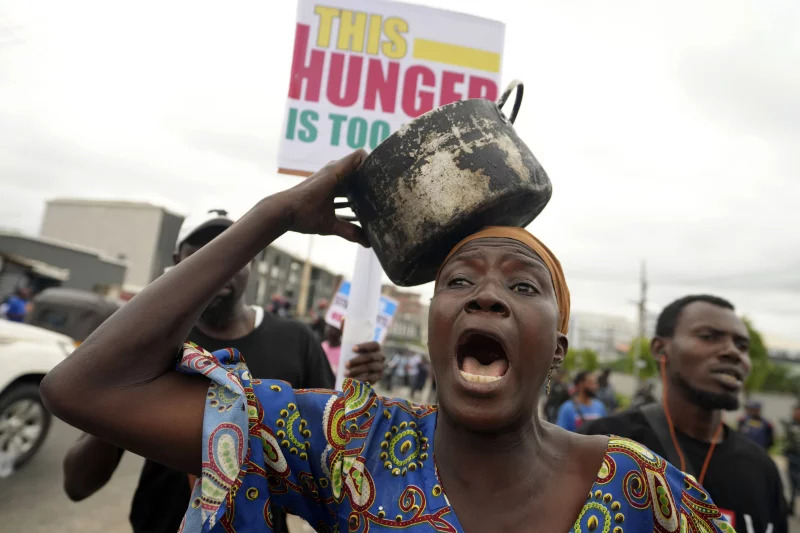
Nigeria is one of the most populated countries in Africa and is richly blessed with natural resources such as crude oil, natural gas, fertile land, and various solid minerals. Despite these abundant resources, many Nigerians continue to face severe economic hardship. The rising cost of living has become a major concern for individuals, families, businesses, and students. Prices of food items, transportation, healthcare, education, electricity, and other basic necessities have increased significantly, making it difficult for many citizens to maintain a comfortable standard of living. Economic hardship is one of the most discussed issues in Nigeria today because it affects almost every aspect of daily life. Many people struggle to earn enough income to meet their needs, while others have lost their businesses or jobs due to the unstable economy. Therefore, it is important to examine the causes, effects, and possible solutions to this growing challenge.
Economic hardship refers to a situation where individuals, families, businesses, and even governments experience financial difficulties due to poor economic conditions. It is characterized by high inflation, unemployment, low purchasing power, poverty, and the inability of people to afford basic necessities such as food, shelter, clothing, healthcare, and education. In Nigeria today, economic hardship has become a common experience for many citizens because the prices of goods and services continue to rise while the income of many workers remains the same.
Several factors contribute to the current economic hardship in Nigeria. Firstly, inflation has caused a continuous increase in the prices of goods and services. Food items, fuel, transportation, rent, and medical expenses have become more expensive than before.
Secondly, unemployment remains one of the greatest challenges facing the country. Every year, thousands of graduates leave universities, polytechnics, and colleges without securing employment. This has increased poverty and dependency.
Thirdly, the removal of fuel subsidies has contributed to higher transportation costs and increased production expenses for businesses. Since transportation affects every sector of the economy, the prices of goods have also increased.
Another major cause is the depreciation of the Nigerian currency against foreign currencies. This has made imported goods more expensive and increased the cost of production for industries that rely on imported raw materials. Poor governance, corruption, insecurity, inadequate infrastructure, and unstable government policies have also contributed to the country’s economic difficulties.
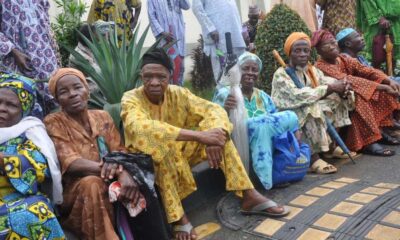
The effects of economic hardship are numerous and can be seen in different sectors of society. Many families now find it difficult to provide adequate food, clothing, and shelter for their children. Parents struggle to pay school fees and provide educational materials. Businesses are also affected because the cost of production has increased. Many small and medium-scale enterprises have closed down due to low sales and high operating costs.
Students in higher institutions, including Delta State University, face financial challenges in paying tuition fees, purchasing textbooks, accommodation, transportation, and other educational expenses. Some students engage in part-time jobs or small businesses to support themselves, while others depend heavily on relatives for financial assistance.
Economic hardship has also contributed to an increase in crime, cyber fraud, kidnapping, armed robbery, prostitution, and other social vices, as some individuals resort to illegal means of survival. Furthermore, many Nigerians experience emotional stress, anxiety, and depression because of financial pressure and uncertainty about the future.
Education has not been left out of the effects of economic hardship. Many students are unable to purchase recommended textbooks, laptops, or internet data needed for research and assignments. Some students skip lectures because they cannot afford transportation.
Parents who previously enrolled their children in private schools are now transferring them to public schools because of financial constraints. In some cases, students are forced to defer their admission or withdraw from school due to lack of funds. Teachers are also affected by the rising cost of living, which reduces their purchasing power and may affect their motivation and productivity.
To reduce economic hardship, the government should implement policies that encourage economic growth and job creation. More investments should be made in agriculture, manufacturing, technology, and small businesses to create employment opportunities for young people. The government should also improve electricity supply, road infrastructure, healthcare, and education. Stable policies that encourage local production and foreign investment will help strengthen the economy.
Financial institutions should provide affordable loans to entrepreneurs and small business owners to enable them to expand their businesses and create more employment opportunities. Educational institutions should also introduce more scholarships, bursaries, and financial aid programmes to assist students from low-income families. Citizens also have an important role to play by acquiring vocational and entrepreneurial skills, managing their finances wisely, avoiding wasteful spending, and engaging in productive activities.
Economic hardship is one of the greatest challenges confronting Nigeria today. It affects families, students, workers, businesses, and the nation as a whole. Although the current situation is difficult, there is hope for improvement if the government implements effective economic policies and citizens contribute positively to national development.
With good leadership, reduced corruption, increased employment opportunities, improved infrastructure, support for education, and proper management of the nation’s resources, Nigeria can overcome its economic challenges and achieve sustainable growth. Every Nigerian has a role to play in building a stronger economy and creating a better future for generations to come.





















You must be logged in to post a comment Login