
Global Issues
Empowering the Girl Child Through Education: Unlocking Nigeria’s Greatest Potential -By Maryam Abubakar
Nigeria’s future depends not only on its natural resources but also on the talents and aspirations of its young people. Every girl deserves the opportunity to learn, dream, and succeed. When we educate a girl, we do more than change one life we strengthen families, empower communities, and build a more inclusive and prosperous nation.

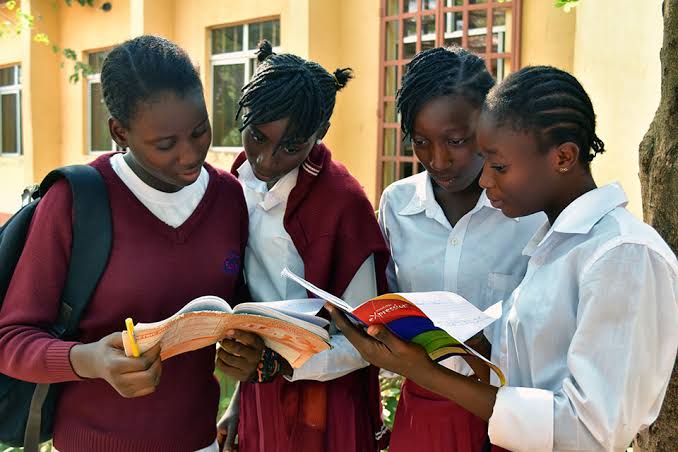
Twelve-year-old Amina had always dreamed of becoming a doctor. Growing up in a rural community, however, her future seemed uncertain. Like many girls in Nigeria, poverty and cultural expectations threatened to end her education before she could complete secondary school. Thanks to the support of her family and dedicated teachers, Amina remained in school. Today, she is working towards turning her dream into reality. Her story reflects the hope and resilience of millions of Nigerian girls whose futures depend on access to quality education.
Education is more than learning to read and write; it is a powerful tool for breaking the cycle of poverty, reducing inequality, and promoting national development. When a girl receives an education, the benefits extend beyond her personal achievements. She is more likely to enjoy better health, earn a higher income, make informed decisions, and invest in the education and well-being of her own children. In this way, educating one girl creates positive change that can transform entire families and communities.
Despite these benefits, millions of girls in Nigeria still face significant barriers to education. Poverty, child marriage, insecurity, gender discrimination, and inadequate educational facilities continue to prevent many girls from attending school, particularly in rural communities. According to UNICEF, female primary school attendance in Nigeria’s North-East and North-West is below 50 percent, meaning that more than half of school-age girls in these regions are not attending school regularly. These challenges deny young girls the opportunity to fulfil their potential and limit the country’s social and economic progress.
According to the World Bank, investing in girls’ education contributes significantly to economic growth by increasing productivity and improving future earnings. Likewise, UNICEF has consistently highlighted that girls who complete their education are less likely to marry early, more likely to participate in the workforce, and better equipped to raise healthier, better-educated families.
Girl-child education is not an act of charity; it is a strategic investment in Nigeria’s future. Every classroom that welcomes a girl strengthens the nation’s workforce, promotes innovation, and nurtures future leaders. As the saying goes, educating a girl is educating a generation. Every book placed in her hands becomes a building block for a stronger and more prosperous society.
Governments, communities, parents, religious leaders, and civil society organisations all have important roles to play in ensuring that every girl has access to quality education. Policies that promote equal educational opportunities must be implemented effectively, while families should be encouraged to support their daughters’ education with the same commitment given to boys. Scholarships, safe learning environments, and community awareness programmes can further reduce the barriers preventing girls from attending school.
Nigeria’s future depends not only on its natural resources but also on the talents and aspirations of its young people. Every girl deserves the opportunity to learn, dream, and succeed. When we educate a girl, we do more than change one life we strengthen families, empower communities, and build a more inclusive and prosperous nation.
A girl is not merely a child waiting for tomorrow; she is tomorrow itself. Give her a book, open the classroom door, and watch her transform not only her own future but the future of Nigeria.


























You must be logged in to post a comment Login