
Forgotten Dairies
Hemorrhagic Septicemia: The Silent Livestock Crisis with Wider Public Health Consequences -By Dr. Moris Umoru, DVM
The answer lies not in waiting for mortality to expose the problem, but in building stronger systems before the crisis begins through vaccination, surveillance, biosecurity, farmer education, and effective veterinary services.

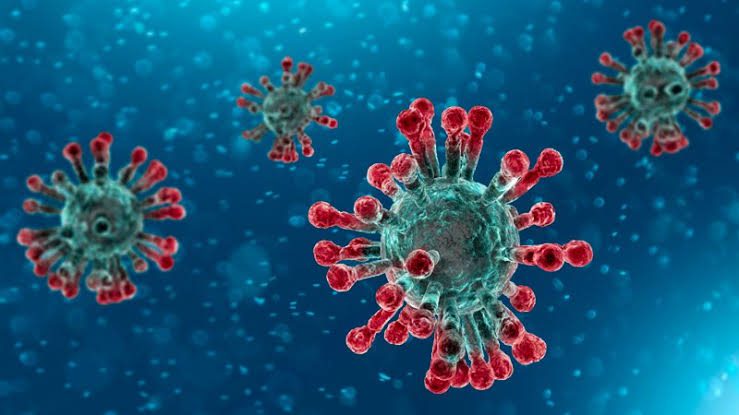
A Sudden Threat with Far-Reaching Consequences
A healthy herd can become a source of serious concern within a remarkably short period when hemorrhagic septicemia strikes. Animals that appear normal may suddenly develop severe illness and die rapidly, leaving farmers with little time to respond. Beyond the immediate loss of livestock, such outbreaks can disrupt household income, food production, and the stability of communities that depend on cattle for their livelihoods.
For many farming families, cattle represent far more than sources of meat and milk. They provide financial security, breeding stock, transportation, and social value. Consequently, a disease capable of causing substantial mortality within a short time deserves attention not only from veterinarians but also from farmers, policymakers, public health authorities, and the wider community.
Why Hemorrhagic Septicemia Matters
Hemorrhagic septicemia is a severe bacterial disease that primarily affects cattle and buffalo and is associated with particular strains of Pasteurella multocida. It is especially important in tropical and subtropical livestock producing regions, where environmental and management conditions may favor outbreaks.
The disease is characterized by rapid progression, high mortality, and significant economic losses. Its importance is therefore not limited to the clinical condition of individual animals. In areas where cattle contribute substantially to food security and household income, an outbreak can quickly become an agricultural and socioeconomic problem.
This makes prevention more valuable than relying solely on treatment after an outbreak has begun.
What Creates the Opportunity for Outbreaks?
Disease occurrence is rarely the result of one factor alone. Environmental stress, poor nutrition, overcrowding, long-distance transportation, inadequate husbandry, and sudden changes in weather can weaken animals and increase their vulnerability.
Periods of heavy rainfall and high humidity have been associated with increased disease occurrence in endemic regions. During such periods, changes in grazing conditions, animal movement, and management practices may create additional opportunities for transmission.
The movement of cattle between farms, grazing areas, livestock markets, and communities can also contribute to the spread of infection. When animals are moved without adequate health assessment or vaccination, an infected or carrier animal may introduce the organism into a susceptible population.
The Cost to Farmers and Communities
The most immediate consequence of hemorrhagic septicemia is animal mortality. Affected cattle may develop fever, depression, respiratory difficulty, nasal discharge, excessive salivation, and swelling around the throat and neck before rapidly deteriorating.
For farmers, however, the loss does not end with the death of an animal. The affected cattle may have represented months or years of investment. The loss of breeding females reduces future herd growth, while the death of productive animals can decrease meat, milk, and draught capacity.
Smallholder farmers are particularly vulnerable because they may have limited financial resources to replace lost animals. Several deaths within a short period can therefore threaten household income and deepen existing economic difficulties.
The Human Health Perspective
Although hemorrhagic septicemia is principally a disease of livestock and should not be described as a major human zoonosis, its public health dimension deserves responsible consideration. Pasteurella multocida can cause human infections, particularly following animal bites, scratches, or close contact with infected animals.
People who routinely work with livestock including farmers, veterinarians, animal health workers, abattoir personnel, and meat handlers should therefore observe appropriate occupational hygiene. Protective clothing, gloves, proper handwashing, wound care, and safe handling of sick or dead animals are important precautions.
Food safety is another important consideration. Animals suspected of serious infectious disease should not be slaughtered for human consumption without appropriate veterinary assessment. Effective meat inspection and disease-control procedures provide an important barrier between livestock disease and the food chain.
Why Early Recognition Matters
One of the greatest challenges associated with hemorrhagic septicemia is its rapid clinical progression. By the time obvious signs become apparent, considerable damage may already have occurred within a herd.
Sudden deaths, fever, respiratory distress, excessive salivation, and swelling around the throat and neck should prompt immediate veterinary attention, particularly in areas where the disease is known to occur.
Other diseases can produce similar signs, making professional diagnosis essential. Laboratory investigations may be required to distinguish hemorrhagic septicemia from conditions such as anthrax and other causes of sudden death.
Rapid reporting is therefore critical. The earlier an unusual pattern of illness is recognized, the greater the opportunity to investigate the outbreak and limit further losses.
Prevention Is Stronger Than Emergency Response
The most effective approach to hemorrhagic septicemia is prevention. Vaccination remains a major component of disease control, particularly in areas where the disease is endemic or recurrent. However, vaccination works best when combined with sound livestock management and effective surveillance.
Farmers can reduce risk by maintaining good nutrition, minimizing unnecessary stress, avoiding overcrowding, improving farm hygiene, and seeking veterinary advice before moving animals from one location to another.
Proper carcass disposal is equally important. Animals that die suddenly from suspected infectious disease should not be casually opened, butchered, or left exposed. Veterinary guidance should be sought to determine the safest approach to carcass management and disease investigation.
Continuous farmer education is also essential because a well-informed livestock owner is often the first person capable of detecting an unusual disease pattern.
The Veterinary Profession and One Health
Veterinarians have a critical responsibility in confronting hemorrhagic septicemia. Their role extends from diagnosis and vaccination to surveillance, outbreak investigation, farmer education, biosecurity, and public health protection.
The disease also reinforces the importance of the One Health concept. The health of livestock is closely connected to food security, household income, environmental conditions, and human wellbeing. Consequently, effective disease control requires collaboration among veterinarians, farmers, public health professionals, researchers, policymakers, and environmental authorities.
Strengthening veterinary laboratories, disease reporting systems, vaccination programs, and field surveillance should therefore be considered an investment in both agriculture and public health.
The Way Forward
A sustainable approach requires a shift from responding to outbreaks after they occur to preparing communities before they happen. Veterinary authorities should strengthen surveillance and ensure that farmers have access to reliable vaccines, professional advice, and timely disease information.
Livestock owners should be encouraged to report sudden deaths promptly rather than attempting to manage unexplained outbreaks independently. At the same time, veterinary professionals should continue translating scientific knowledge into practical guidance that farmers can understand and apply.
Greater investment in veterinary infrastructure, research, community education, and livestock health services will improve the ability of communities to detect, prevent, and control hemorrhagic septicemia.
Conclusion: Protecting Animals, Protecting Communities
Hemorrhagic septicemia is more than a disease that kills cattle. It is a reminder of how quickly animal health problems can become economic and community challenges. Its rapid progression demands preparedness, while its potential occupational and food safety implications require responsible public health practices.
The answer lies not in waiting for mortality to expose the problem, but in building stronger systems before the crisis begins through vaccination, surveillance, biosecurity, farmer education, and effective veterinary services.
A healthy herd supports a healthy livelihood, and protecting that herd is ultimately an investment in the wellbeing and resilience of the entire community.
DR UMORU MORIS (DVM).























You must be logged in to post a comment Login