
Education
Scarcity of Children in Gaigamarri Primary School: Causes, Implications, and Way Forward -By Deborah Bitrus
Government intervention is also necessary. Improving the school’s infrastructure, recruiting more teachers, and providing incentives such as free uniforms, meals, or school supplies can attract and retain students. Establishing security and building trust within the community will also encourage parents to send their children to school without fear.

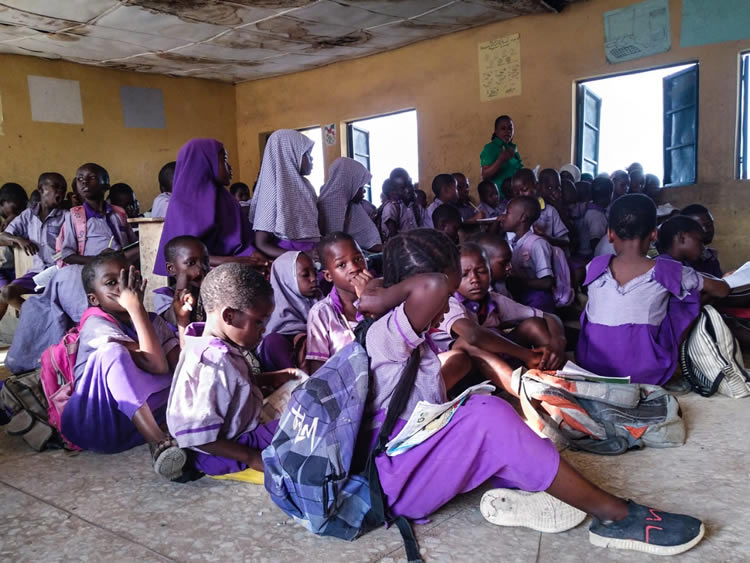
Gaigamarri Primary School, once a vibrant center of learning for children in the community, is now facing a troubling challenge a sharp decline in pupil enrollment. This scarcity of children attending the school has raised concerns among educators, parents, and local leaders. Understanding the root causes, the implications on the community, and exploring sustainable solutions is critical to reversing this trend.
Several factors contribute to the dwindling number of pupils in Gaigamarri Primary School. First, poverty plays a major role. Many families in the area struggle to afford basic needs, making education a lower priority. Some parents prefer sending their children to work or assist with farming activities instead of attending school.
Another significant factor is insecurity. In some rural parts of Nigeria, threats from banditry or communal conflicts have led families to relocate or avoid sending children far from home. Additionally, the lack of adequate facilities and qualified teachers in the school discourages parents from enrolling their children, as they feel their wards won’t receive quality education.
The scarcity of children in school carries long-term consequences. An uneducated population limits the development potential of Gaigamarri and increases the risk of youth unemployment, poverty, and crime in the future. It also affects the functionality of the school, as fewer pupils mean reduced government attention and funding.
Teachers posted to such schools often feel demotivated, leading to absenteeism or transfers. As the number of students drops, the school’s performance and relevance in the educational system continue to decline.
To address this crisis, a multi-stakeholder approach is required. First, community sensitization is essential to raise awareness about the importance of education. Local leaders, religious bodies, and civil society groups must advocate for every child’s right to schooling.
Government intervention is also necessary. Improving the school’s infrastructure, recruiting more teachers, and providing incentives such as free uniforms, meals, or school supplies can attract and retain students. Establishing security and building trust within the community will also encourage parents to send their children to school without fear.
The scarcity of children in Gaigamarri Primary School is not just an educational issue it is a community and national concern. If urgent steps are not taken, the future of the community is at stake. By addressing the root causes and working together, Gaigamarri can revive its primary school and restore hope for its younger generation.























You must be logged in to post a comment Login