
Politics
2027 General Elections: A Defining Moment for Women and Youth Participation -By Tochukwu Jimo Obi
Political parties, as gatekeepers of the electoral process, have a responsibility to reverse this trend. Rather than erecting barriers, they should actively create pathways for inclusion by reducing costs and providing support structures for aspiring candidates. Encouraging women and young people with innovative ideas to seek elective positions would not only strengthen democracy but also inject fresh perspectives into governance.

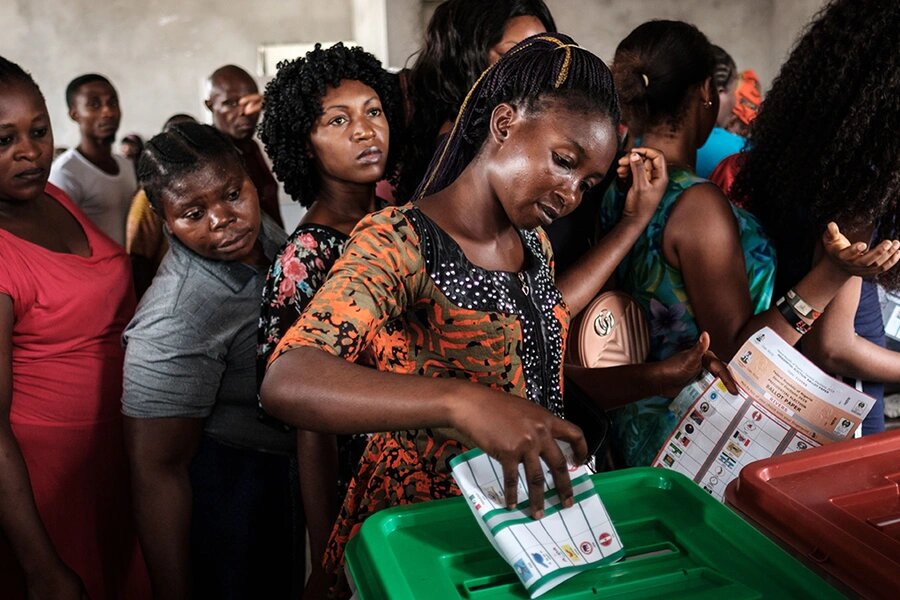
As political activities gradually intensify ahead of the 2027 general elections, Nigeria once again finds itself at a familiar crossroads. The atmosphere is already charged, with permutations, alliances, and quiet calculations shaping what promises to be another decisive electoral cycle. Yet beyond the noise of political maneuvering lies a more pressing question: who truly gets to participate in shaping the nation’s future?
For years, women have remained significantly underrepresented in public offices across the federation. Despite their numerical strength and contributions to national development, their presence in governance structures continues to lag behind expectations. This imbalance raises concerns about inclusivity and fairness in a democratic system that should reflect the diversity of its people.
Nowhere is this disparity more evident than in the National Assembly and the various state houses of assembly. Only a handful of women occupy seats in these institutions, a situation that stands in stark contrast to the widely advocated 30 percent affirmative action target. The gap between policy aspirations and political reality remains wide, underscoring systemic barriers that have yet to be dismantled.
A similar pattern can be observed among youths and younger generations. Despite their energy, creativity, and numerical dominance, many young Nigerians have largely ceded the political stage to older, more established figures. Instead of stepping forward as contenders, a significant number settle into supporting roles, often serving as aides or personal assistants to career politicians.
This reluctance is not without cause. One of the most significant barriers to entry is the prohibitive cost of nomination forms imposed by political parties. These fees, which are sometimes arbitrarily increased, effectively shut out capable individuals who lack the financial backing to compete. Such practices not only discourage participation but also undermine the democratic principle of equal opportunity.
It is difficult to ignore the implication of these trends. When political participation is restricted by financial hurdles and entrenched interests, the system becomes less representative and more exclusionary. The deliberate or indirect sidelining of women and young people is both unfortunate and detrimental to national progress, and it is a practice that deserves unequivocal condemnation.
Political parties, as gatekeepers of the electoral process, have a responsibility to reverse this trend. Rather than erecting barriers, they should actively create pathways for inclusion by reducing costs and providing support structures for aspiring candidates. Encouraging women and young people with innovative ideas to seek elective positions would not only strengthen democracy but also inject fresh perspectives into governance.
At the same time, Nigerian women and youths must recognize the urgency of the moment. Waiting for opportunities to be handed down is no longer a viable strategy. Across party lines, there must be deliberate mobilization and a conscious effort to contest for positions in the 2027 general elections. Participation must move beyond support roles to active engagement in leadership.
Ultimately, political power is never given freely; it is contested and secured through determination and collective action. Women and the younger generation must embrace this reality if they are to remain relevant in Nigeria’s evolving political landscape. The 2027 elections present not just another routine exercise, but a critical opportunity to redefine participation and reshape the future of the nation.
Tochukwu Jimo Obi, a concerned Nigerian writes from Obosi Anambra state.
























You must be logged in to post a comment Login