
Forgotten Dairies
The King Who Ate While The Kingdom Burned: Insecurity And The Politics Of Delay -By Isaac Asabor
The lesson of folklore is clear: leadership is not about indulgence; it is about sacrifice. The true king is the one who drops his meal to save his people. Nigeria needs leaders who will act now, not later, who will confront insecurity as a matter of life and death, not as a political distraction.


In African folklore, the tortoise is often portrayed as cunning, calculating, and self-serving. One particular tale tells of a time when the tortoise was crowned king of all animals. Whenever trouble arose in the kingdom, whether an invasion or unrest, the emissaries would rush to inform him. Yet, if he was eating, he would instruct them to wait until he finished his meal before addressing the crisis. The kingdom could be burning, but the tortoise’s stomach came first.
This story, though ancient, resonates profoundly with Nigeria’s present political climate. It mirrors the recent remarks by Senate President Godswill Akpabio, who declared that insecurity in Nigeria will “end after the 2027 elections.” According to him, the current wave of violence and unrest is politically motivated, designed to discredit President Bola Tinubu. He assured Nigerians that once the elections are over, the attacks would “fizzle out.”
The tortoise’s leisurely indulgence while chaos brewed around him is a metaphor for the political class’s tendency to prioritize power games over urgent national crises. Akpabio’s statement, whether intended as reassurance or political rhetoric, inadvertently underscores this troubling reality: insecurity is treated not as a humanitarian emergency but as a political inconvenience, one that can be tolerated until the ruling elite finishes its “meal”, in this case, the electoral cycle.
In the tortoise tale, the king’s refusal to act promptly endangered the entire kingdom. Similarly, Akpabio’s assertion that insecurity will vanish after elections suggests that the suffering of ordinary Nigerians is secondary to political calculations. It implies that the violence is not being confronted head-on but rather endured until it serves its purpose in the political chessboard. This raises unsettling questions: If insecurity is politically motivated, why should citizens endure bloodshed until 2027? Should governance be reactive to electoral cycles rather than proactive to human lives? Is the promise of security after elections not an admission that the government knows the roots of the problem but chooses to wait until it is politically expedient to act? Given the foregoing folkloric view, the tortoise’s delay was selfish; Akpabio’s delay, if taken literally, is dangerous.
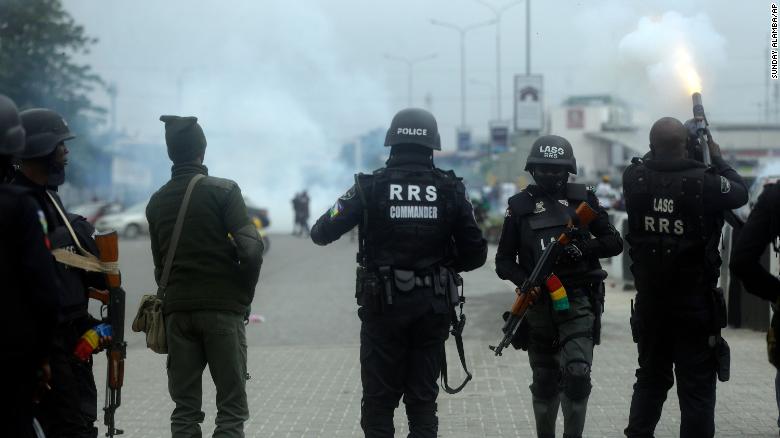
Nigeria’s insecurity is not an abstract concept; it is lived reality. From banditry in the North-West, insurgency in the North-East, farmer-herder clashes in the Middle Belt, to kidnappings in the South, the toll is measured in lost lives, communities displaced, and economies shattered.
To tell a grieving mother that her child’s death is part of a political distraction until 2027 is to trivialize her pain. To assure a farmer whose land has been ravaged by bandits that relief will come after elections is to mock his livelihood. Insecurity is not a campaign slogan; it is a national emergency. The tortoise’s meal could wait; human lives cannot.
Akpabio’s statement reflects a broader pattern in Nigerian politics: insecurity is often weaponized. Political actors exploit violence to weaken opponents, justify military spending, or rally support. In this narrative, insecurity is not a failure of governance but a tool of political maneuvering.
Yet, this approach is shortsighted. Violence, once unleashed, rarely obeys electoral timetables. Militias, insurgents, and criminal networks do not dissolve simply because ballots have been cast. To assume that insecurity will “fizzle out” after elections is to underestimate its complexity and resilience.
The tortoise believed he could pause reality until his meal was done. Nigerian leaders risk believing they can pause insecurity until elections are over.
The obsession with electoral cycles is one of Nigeria’s greatest governance flaws. Policies are framed around winning votes rather than solving problems. Infrastructure projects are timed for campaign seasons. Reforms are delayed until they can be politically advantageous. And now, even security is being tethered to elections.
But governance should not be about 2027, it should be about today. The farmer in Zamfara, the student in Kaduna, the trader in Onitsha, and the commuter in Abuja need safety now, not after ballots are counted. Leadership is measured not by promises of future relief but by immediate action in times of crisis.
The tortoise’s reign was marked by negligence. Nigeria cannot afford leaders who eat while the kingdom burns.
Akpabio’s remarks risk normalizing insecurity as an inevitable feature of Nigerian politics. If citizens are told that violence is simply part of the electoral process, they may begin to accept it as routine. This is dangerous. It erodes trust in institutions, undermines democracy, and perpetuates cycles of violence.
Insecurity should never be seen as a political distraction; it should be treated as a national disgrace. To normalize it is to betray the social contract between government and governed.
The story of the tortoise teaches us that leaders who prioritize personal indulgence over collective safety are unfit to rule. The kingdom needs a leader who will drop the spoon and respond to crisis immediately.
Nigeria’s leaders must learn this lesson. Insecurity cannot be postponed until after elections. It must be confronted with urgency, sincerity, and accountability. Citizens deserve more than promises tied to political calendars; they deserve action tied to human dignity.
Akpabio’s statement may have been intended to reassure Nigerians that insecurity is temporary. But it reveals a troubling mindset: that governance can wait until politics is convenient. Like the tortoise king, Nigeria’s leaders risk eating while the kingdom burns.
The lesson of folklore is clear: leadership is not about indulgence; it is about sacrifice. The true king is the one who drops his meal to save his people. Nigeria needs leaders who will act now, not later, who will confront insecurity as a matter of life and death, not as a political distraction.
Until then, the kingdom remains at risk, and the people remain vulnerable. The tortoise may finish his meal, but by then, the kingdom may be gone.























You must be logged in to post a comment Login