
Forgotten Dairies
Despite Tinubu’s Campaign Promises, Why Is Nigeria Still Grappling With Rising Insecurity? -By Isaac Asabor
Nigerians deserve more than promises. They deserve safety in their homes, schools, and places of worship. They deserve a government that not only speaks of reform but delivers it. Until Tinubu’s administration translates words into action, the haunting question will remain: why is Nigeria still grappling with rising insecurity despite the president’s campaign promises?

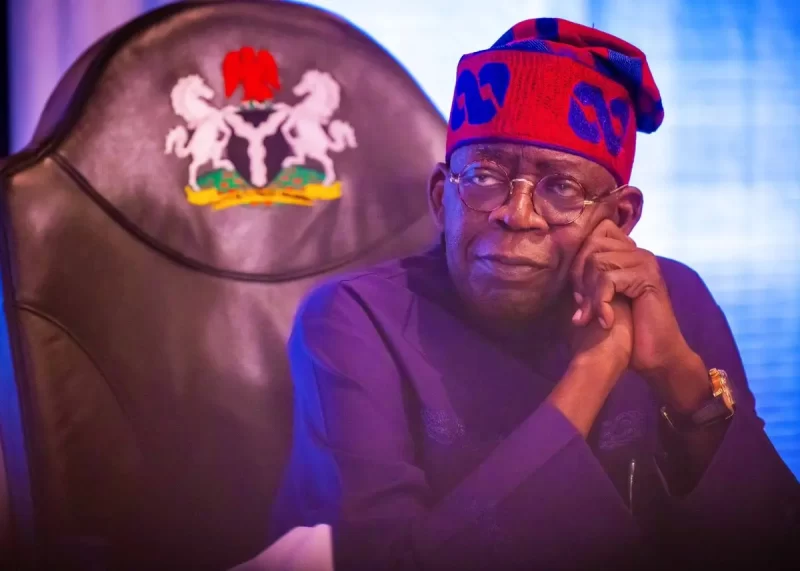
When Bola Ahmed Tinubu campaigned for the presidency, he made insecurity one of the cornerstones of his promises to Nigerians. He pledged to reform the nation’s security architecture, strengthen intelligence gathering, and ensure peace across every region. His words resonated with millions who had grown weary of daily reports of banditry, terrorism, kidnappings, and communal clashes. For many, his assurances offered hope that Nigeria’s long nightmare of insecurity might finally be coming to an end.
Yet, almost 3 years into his presidency, the grim reality is that insecurity not only persists but, in many regions, appears to be worsening. From Plateau to Benue, Zamfara to Kaduna, Nigerians continue to bury loved ones, flee their homes, and live under the shadow of violence. The question that now looms large is: why is Nigeria still grappling with rising insecurity despite Tinubu’s repeated promises?
Tinubu’s campaign speeches were filled with bold declarations. He vowed to “end banditry, terrorism, and kidnapping by strengthening intelligence and community policing.” He promised to equip the armed forces with modern technology and ensure that Nigeria’s security agencies worked in harmony rather than at cross‑purposes. In his New Year’s address of 2024, he reassured Nigerians that tackling insecurity remained a top priority of his administration.
Perhaps the most poignant moment came during his visit to Plateau State in April 2026, after a series of deadly attacks. Standing before grieving families at the airport as he never went to town to meet them, Tinubu declared: “I promise you that this experience will not repeat itself.” It was a powerful statement, meant to convey empathy and resolve. Yet, less than 24 hours later, another attack occurred in the same region, leaving citizens disillusioned and critics emboldened.
To understand why insecurity persists, one must appreciate its complexity. Nigeria’s security challenges are not monolithic; they are a tangled web of overlapping crises: For instance, with terrorism in the Northeast, Boko Haram and its splinter groups continue to wage insurgency, despite years of military campaigns. In a similar vein, with banditry in the Northwest, armed groups terrorize rural communities, engaging in mass kidnappings and extortion.
Within the same context, farmer–herder clashes in the Middle Belt have remained both persistent and deeply concerning, as competition over land and resources continues to fuel deadly confrontations.
Similarly, separatist agitations in the Southeast have intensified tensions, with groups demanding independence frequently clashing with security forces, thereby adding another layer of instability.
Meanwhile, urban crime across the country continues to manifest in kidnappings, armed robbery, and cult-related violence, plaguing cities and steadily eroding public trust in law enforcement.
Each of these crises requires tailored solutions. A one‑size‑fits‑all approach is doomed to fail. Tinubu’s promises, while broad and ambitious, have yet to translate into nuanced strategies that address the specific drivers of violence in each region.
Another reason insecurity persists is the gap between promises and implementation. Nigerians have heard pledges of reform before, from previous administrations as well as Tinubu’s. What they rarely see is sustained, systemic change. Security agencies remain underfunded, poorly coordinated, and plagued by corruption. Intelligence gathering is weak, and community policing initiatives often stall due to lack of political will or resources.
Tinubu’s administration has announced plans to recruit more personnel and invest in technology, but progress has been slow. Citizens in affected regions complain that they see little difference on the ground. For them, promises mean little unless they translate into safety in their villages, schools, and highways.
Every time a deadly attack occurs after a presidential assurance, public trust erodes further. Tinubu’s Plateau statement, “this will not repeat itself”, was intended to inspire confidence. Instead, the subsequent attack made it appear hollow. Nigerians are beginning to view such assurances as symbolic gestures rather than actionable commitments.
This erosion of trust has serious consequences. When citizens lose faith in government promises, they may turn to self‑help measures, such as vigilante groups or ethnic militias. While these groups sometimes provide short‑term relief, they often exacerbate tensions and fuel cycles of violence.
Tinubu’s presidency has also been consumed by other pressing challenges: economic hardship, inflation, and power shortages. While these issues are undeniably important, they risk diverting attention from insecurity, which remains an existential threat to Nigeria’s unity and stability. A government that treats insecurity as just one challenge among many may fail to give it the sustained focus it requires.
So why, despite Tinubu’s promises, does insecurity continue to rise? The answer lies in a combination of factors.
The answer to the foregoing cannot be farfetched as Nigeria’s security challenges are compounded by a range of systemic issues. This is as structural weaknesses persist, as security institutions remain outdated, underfunded, and, in many cases, undermined by corruption.
Efforts at reform have been further weakened by a fragmented approach, with promises not translating into coherent, region-specific strategies. Implementation has also been slow, as announcements of recruitment and investment have yet to yield tangible results on the ground. This pattern has contributed to an erosion of public trust, with repeated assurances failing to inspire confidence amid limited visible improvement.
At the same time, competing national priorities, particularly economic and infrastructural demands, continue to divide attention, thereby diluting the focus needed to effectively address security concerns.
On the way forward, it is not out of place to opine that if Tinubu is to restore credibility and deliver on his promises, several steps are essential. First, there must be comprehensive reform of the security architecture, with agencies restructured to ensure clear mandates and strengthened accountability mechanisms.
Equally important is community engagement. Local leaders and citizens should be actively involved in designing and implementing security strategies that reflect the unique realities of each region. In addition, greater investment in intelligence is critical, with priority given to modern technology and specialized training to enhance surveillance and early warning systems.
Transparency must also be at the forefront of government action. Authorities need to communicate candidly, acknowledging setbacks while outlining concrete corrective measures. Above all, there must be unmistakable political will, demonstrating that insecurity is not merely a campaign talking point, but a national emergency demanding sustained and unwavering attention.
Tinubu’s campaign promises raised expectations that Nigeria’s insecurity crisis would finally be addressed. Yet, more than a year into his presidency, violence continues to claim lives and destabilize communities. The persistence of insecurity reflects not just the complexity of Nigeria’s challenges but also the gap between rhetoric and reality.
Nigerians deserve more than promises. They deserve safety in their homes, schools, and places of worship. They deserve a government that not only speaks of reform but delivers it. Until Tinubu’s administration translates words into action, the haunting question will remain: why is Nigeria still grappling with rising insecurity despite the president’s campaign promises?























You must be logged in to post a comment Login