Africa
Effects Of Fuel Subsidy On The Economy And Society: A Critical Analysis -By Sa’adatu, Ahmad Gajere
Despite these challenges, an outright removal of the fuel subsidy without adequate safeguards could worsen poverty and hardship. Therefore, any reform must be carefully managed, with clear communication and provision of social safety nets such as public transport support or targeted cash transfers.

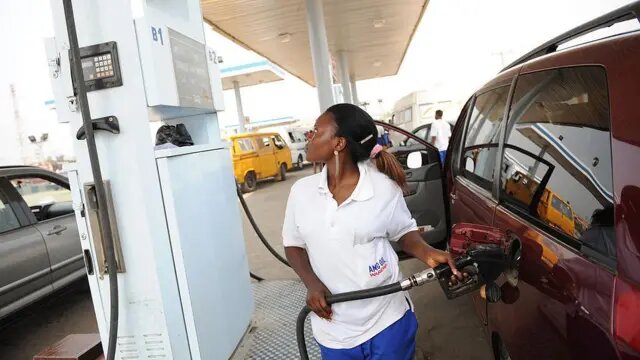
Fuel subsidy has remained one of the most controversial economic policies in Nigeria, dividing public opinion and policy circles alike. While some view it as an essential mechanism for cushioning the cost of living, others argue that it is economically unsustainable and socially unequal. This article critically examines the meaning of fuel subsidy and analyzes its far-reaching effects on both the economy and society.
A fuel subsidy is a form of government intervention where the state absorbs part of the cost of petroleum products, allowing consumers to buy fuel at prices lower than the actual market value. In Nigeria, this subsidy is primarily funded through oil revenues, making the government responsible for paying the difference between international market prices and the regulated local pump price.
Socially, the subsidy system is often justified on the grounds that it helps the poor. While it is true that lower fuel prices can ease transportation and energy costs, numerous studies have shown that the wealthiest segments of society benefit the most. Affluent individuals consume more fuel and therefore receive a disproportionate share of the subsidy.
In essence, the fuel subsidy indirectly promotes inequality. While the poor receive minimal direct benefits, the rich who own multiple vehicles and consume more fuel enjoy more financial relief. This raises concerns about the fairness and equity of the policy.
Another critical downside is the distortion of market prices. Fuel subsidy creates an artificial price for fuel that does not reflect production and importation costs. This discourages competition and innovation, and leads to inefficient resource allocation, where government funds are not spent where they are most needed.
Fuel subsidies also create an environment ripe for corruption. The process of disbursing subsidy payments to oil marketers lacks transparency and has historically been marred by fraud, false claims, and inflated importation figures. Billions have been lost to corruption within the subsidy regime.
While the intention behind fuel subsidy is often to alleviate poverty and support vulnerable populations, its economic implications are far-reaching. One of the most glaring effects is its heavy burden on the national budget. Annually, billions of naira are allocated to subsidize fuel, often at the expense of critical sectors like healthcare, education, and infrastructure development.
The opportunity cost of sustaining fuel subsidies is immense. Resources that could have been invested in building roads, schools, and hospitals are instead funneled into keeping fuel prices artificially low. This undermines long-term national development and weakens public service delivery across vital sectors.
Fuel subsidy also deepens Nigeria’s dependence on oil a finite and volatile resource. With global oil prices constantly fluctuating, the cost of maintaining subsidies can skyrocket unexpectedly, making budget planning difficult and exposing the economy to external shocks.
From a macroeconomic perspective, fuel subsidies contribute to inflationary pressures. When governments borrow or print more money to fund the subsidy, it increases the money supply, which can devalue the naira and erode the purchasing power of citizens.
Moreover, cheap fuel encourages excessive consumption, which has negative environmental consequences. Nigeria’s continued reliance on fossil fuels contributes to increased greenhouse gas emissions, air pollution, and environmental degradation.
This overdependence on fuel also delays the country’s transition to cleaner and more sustainable energy sources such as solar, wind, and hydroelectric power. Investors are discouraged from entering the renewable energy market due to the artificially low prices of fossil fuels.
In times of subsidy removal or adjustment, social unrest is a common outcome. Protests, strikes, and civil disobedience often follow such policy changes, as citizens express anger over rising living costs. This presents a political dilemma for governments trying to reform the subsidy regime.
Despite these challenges, an outright removal of the fuel subsidy without adequate safeguards could worsen poverty and hardship. Therefore, any reform must be carefully managed, with clear communication and provision of social safety nets such as public transport support or targeted cash transfers.
In conclusion, fuel subsidies in Nigeria have complex and far-reaching effects on both the economy and society. While they provide short-term relief to citizens, they also drain public resources, deepen inequality, distort the economy, and hinder environmental progress. Rather than abrupt removal, the government should prioritize transparency, accountability, and a gradual phase-out plan supported by policies that protect the most vulnerable.