Africa
Emerging Facts On The Impeachment Move Against Fubara: Nigerians Were Right All Along -By Isaac Asabor
Governor Fubara’s insistence on fiscal discipline may disrupt entrenched arrangements, but disruption is sometimes the price of reform. Independence is not insubordination. Prudence is not rebellion. And refusing to pad a budget is not a constitutional crime.

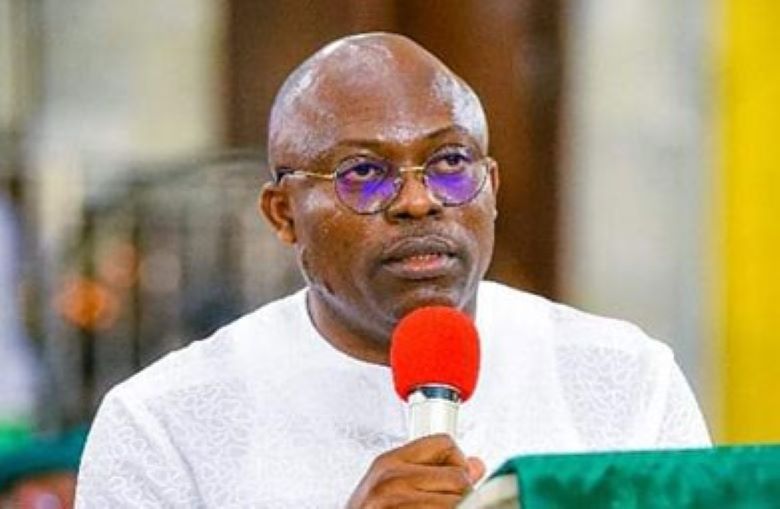
When the first whispers of impeachment began to drift out of the Rivers State House of Assembly, many Nigerians did not ask “if” it would happen; they asked “why now”. The answer, it turns out, was written all over the political terrain. From the very beginning, the move against Governor Siminalayi Fubara and his deputy, Ngozi Oduh, carried the unmistakable scent of bad faith. It felt less like a constitutional exercise and more like a political ambush waiting for the right moment to strike. As facts continue to emerge, one truth has become unavoidable: Nigerians were right all along.
In Nigeria’s troubled democratic history, impeachment has rarely been about accountability. More often than not, it has been a blunt instrument deployed to settle scores, punish disobedience, or reassert the dominance of political godfathers. Rivers State, with its long tradition of hardball politics and fierce elite struggles, fits squarely into this pattern. The current impeachment threat did not arise from public outrage, administrative paralysis, or clear violations of the constitution. It arose from resistance, Governor Fubara’s refusal to govern by remote control.
From the moment Fubara signaled that he intended to run a government anchored on fiscal restraint and administrative independence, confrontation became inevitable. The peace accord brokered by President Bola Tinubu was supposed to deescalate tensions and restore normal governance. Instead, it appears to have been cynically repurposed by some lawmakers as a leash, one they expected the governor to wear quietly. When he refused, impeachment suddenly entered the conversation.
The allegation by the APC South-South Group that lawmakers initiated impeachment proceedings because Fubara declined to pad the 2026 budget with fictitious projects is therefore not surprising; it is consistent with Nigeria’s political DNA. Budget padding has long been one of the dirtiest secrets of governance, an open secret through which political actors reward loyalty, fund structures, and mortgage the future. A governor who disrupts this ecosystem is not merely seen as principled; he is seen as dangerous.
If these allegations are true, then the impeachment move is nothing short of an attempted punishment for fiscal responsibility. That is not only perverse, it is profoundly dangerous. It sends a message that probity is optional, but obedience is mandatory. Nigerians, long accustomed to such political theatrics, saw through the charade immediately.
What further deepened public suspicion was the absence of substance. No detailed bill of impeachment was clearly presented to the public outlining acts of gross misconduct. No independent investigations preceded the threats. No sustained legislative inquiries exposed corruption, abuse of office, or constitutional sabotage. Instead, what Nigerians witnessed was noise, threats shouted loudly, backed by little more than political muscle and legislative numbers.
In fact, while cutting through the noise, not a few people were literarily not blinded to the fact that the pattern is not new in Nigerians. This is as Nigeria’s impeachment history is littered with similar abuses. In 2006, Governor Rashidi Ladoja of Oyo State, now a paramount monarch, was impeached in a rushed midnight operation orchestrated by lawmakers loyal to political interests he had fallen out with. The courts later ruled the impeachment illegal. In Plateau State, Joshua Dariye was impeached in 2006 amid intense federal and political pressure, only for questions to trail the process for years. In Ekiti, Peter Ayodele Fayose was controversially impeached in 2006, a move widely seen as politically motivated and later nullified by the courts.
Even at the federal level, impeachment threats have often been used as leverage rather than justice. Presidents and governors alike have faced impeachment drumbeats not necessarily because they violated the constitution, but because they offended powerful interests. The lesson from history is clear: impeachment in Nigeria is often less about law and more about loyalty.
Against this backdrop, the Rivers impeachment move looks less like an exception and more like a continuation of a disturbing tradition. The claim that some lawmakers boasted that not even the President could restrain them only reinforces the sense of legislative recklessness. Such statements are not expressions of courage; they are confessions of impunity. They suggest lawmakers who see themselves not as custodians of democratic order, but as enforcers for unseen interests.
This is precisely why the Rivers State House of Assembly must be interrogated. Legislators are not above scrutiny simply because they wield constitutional powers. On the contrary, the heavier the power, the higher the responsibility. Nigerians deserve clear answers: What exactly constitutes the impeachable offence? Why did impeachment threats coincide with the budget process? Why does refusing to approve questionable projects suddenly translate into “gross misconduct”? Until these questions are answered with clarity and evidence, the impeachment move remains tainted by suspicion.
Without a doubt, the shadow of Nyesom Wike looms large over the crisis. As the immediate past governor and a political colossus in Rivers State, his influence over the political structure is undeniable. His strained relationship with his successor is also well documented. The allegation that lawmakers loyal to him are driving the impeachment agenda fits into a broader narrative of a godfather struggling to accept political detachment.
Wike’s silence amid allegations that impeachment is being weaponised to coerce fiscal compliance is politically loud. As a minister serving under President Tinubu, whose intervention sought to calm Rivers State, any perceived undermining of that effort raises legitimate questions about allegiance and restraint. Silence, in this context, is not neutrality; it is a choice.
But beyond personalities, the Rivers crisis poses a fundamental question about Nigeria’s democracy: Can elected executives govern without being held hostage by legislatures acting as political mercenaries? If impeachment can be activated whenever a governor resists illicit demands, then elections themselves become meaningless rituals.
This is why calls for the National Assembly to intervene are justified. Legislative excess in one state threatens democratic norms nationwide. If unchecked, the Rivers impeachment gambit will embolden similar abuses elsewhere, deepening public cynicism and weakening institutional credibility.
The impeachment process must therefore be halted, not to shield Governor Fubara from accountability, but to protect the sanctity of accountability itself. Oversight must be rigorous, lawful, and transparent. Impeachment must remain a last resort, not a political shortcut.
Rivers people did not vote for endless brinkmanship. They voted for governance. They voted for stability. They voted for leadership that prioritizes public interest over elite entitlement. Any legislative action that subverts these aspirations is a betrayal of trust.
Governor Fubara’s insistence on fiscal discipline may disrupt entrenched arrangements, but disruption is sometimes the price of reform. Independence is not insubordination. Prudence is not rebellion. And refusing to pad a budget is not a constitutional crime.
As history reminds us, politically motivated impeachments rarely age well. Courts overturn them. Public opinion condemns them. And democracy is left poorer for it. Rivers State stands at such a crossroads today.
As more facts emerge, one conclusion grows firmer: Nigerians were right all along. This impeachment move was never about constitutional breaches; it was about control. And unless stopped, it will not only undermine governance in Rivers State, it will further entrench the dangerous idea that power, not principle, is the ultimate currency of Nigerian politics.