
Africa
The Police And Our Crisis Of Failed Institutions -By IfeanyiChukwu Afuba
State Police is a desideratum for more effective security architecture in the country. It promises to give the stability critical for States’ development. State authority over the Police will conduce towards jurisdictional control unattainable under the current unwieldy structure. Still, the importance of training cannot be over – emphasised. Recurring cases of abuse of power by Police officers suggests insufficient education on rule of law. Emphasis on democratic norms and civic pedagogy in the training curriculum is likely to deter superiority complex and brutality. Think is the orientation both old and new officers need.

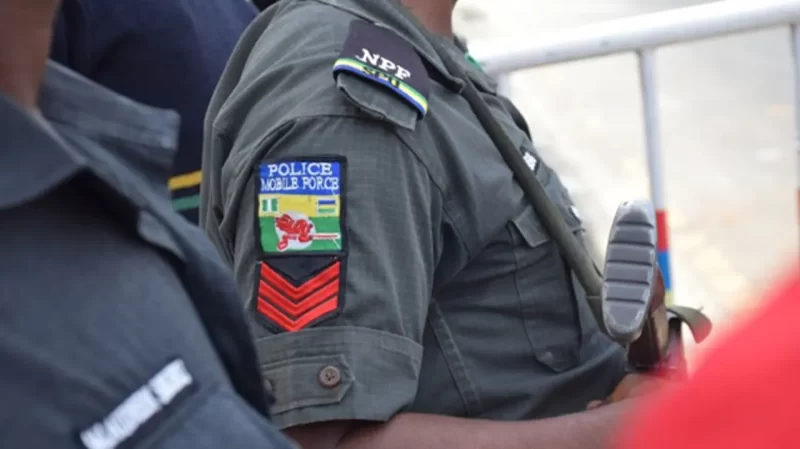
Late last year, the Nigeria Police began the process of recruiting 50,000 constables into the Force. The move came as one of the counter measures by the federal government in response to rising insecurity threats in the country. It marks a recognition of the depleted strength of the Force, logically a major factor in recent underperformance. At a time of acute unemployment, it’s no surprise that application figures were high, except for the southeast with perhaps, understandable ambivalence toward national allocations. Not just the federal government, every concerned Nigerian looks forward to a successful and timely conclusion of the exercise for obvious reasons. No legitimate effort toward containing the siege on Nigerians by sadistic gangs is to be trifled with.
The concern however is with the operative environment under which the Police works. The Force, like almost all institutions of our national life, is troubled by malfunction and underperformance.
The Nigerian crisis does not stop at the poverty of leadership. It’s not merely the failure of the political elite to stand up for basic values of governance. And it’s not just about public office corruption screaming to the heavens for vengeance. Beyond irresponsibility of the political class, the Nigerian condition is compounded by societal surrender to the ruling order. By abdicating it’s natural primacy, Nigerian civic society lost its voice, it’s mores, sense of self duty. There long ceased to be an affirmation of the common good, the sense of collective responsibility for the public estate. In both the west and the east (China, Japan), economic growth is more about productive manhours than popularity or benevolence of leadership. Nigerian society lacking this discipline, we bring near to zero work ethics into public service, with the result that state/national institutions hardly thrive.
In the first few months of deployment, successful candidates from this latest recruitment will be a beautiful sight to behold. Grateful for the selection from a rigorous and competitive process, the new intakes will be raring to go to work.
Their dutiful comportment will precede them in the early morning of service. With age on their side, you will spot them by their youthfulness and fresh look. There is the added influence of hard times of the past and a difficult, new beginning. And not least the impact of months of physical training. Many of the new officers then are certain to look trim and athletic in physique.
They would be agile, yet, restrained in executing their brief. From experience, we know that the courteous, friendlier sets of police officers are the younger ones or those who recently joined the Force. A mix of nature and psychology affords them cheerful disposition. Policing takes on a humane tone, a felt sense of responsibility. The officers even smile, laugh.
That is until the prevailing work environment infects and overpowers them. Acclamatisation to the climate of corruption is fast and strong. To stay aloof and unsullied is comparable to swimming against a gushing tide. Only the heroic, an odd few, are able to stand ‘far from the madding crowd.’ It’s a sad reign of the Nigerian lie that if you can’t beat them, you join them. For the most part, however, the calmness and discipline of the beginning gives way to aggressiveness and greed. The days of innocence are finally over, to be replaced with a mission of personal service. In the new milieu thrown up by institutional nurture, socialisation and resignation, policing takes on commercialised meaning. Now, it’s no longer repulsive to round up innocent citizens with illegal patrols and have them pay to secure their freedom. It becomes normal that commercial and private vehicle drivers have to drop pass money at road blocks. And there’s nothing strange sitting before bail – is – free posters to demand release fee from suspects!
It’s to be conceded though that there have been responses by police authorities to officers’ excesses on some occasions. Viral visual reports of condemnable conduct by some personnel commendably, in some instances were investigated, followed by disciplinary action on wanting operatives. These efforts, though few and far between, offer mild hope that the Force can be sanitised. Nigeria’s Police can rise to function within the ambit of the law in the public interest. But an effective Police Force is dependent on both societal work ethic and institutional reform. The former is a national question beyond the competence of any one constituency. It would suffice for the Force’s leadership to strive toward the creed that the Police is the citizen’s friend. But internal order in the organisation is a value any committed leadership can actualise.
Who was the Police created to serve? Privileged Nigerians or all Nigerians? A consistent trend at different times of national priority reset suggests an attachment problem in Police operation. There have been many announcements on withdrawing of police men on special duty over the years. By special duty is meant personnel on VIP posting, private protection and other non – essential police services. Previous efforts at this repositioning were unsuccessful necessitating subsequent attempts at intervals. Beneficiaries of the special escorts as well as managers of the scheme were unwilling to let go of their privileges. Not surprisingly, protests greeted the November 2025 presidential directive for redeployment of this group of police officers. Politicians enjoying the services of these security men were at the forefront of the opposition. According to immediate past Inspector General of Police, Kayode Egbetokun, 11, 566 police operatives had been recalled from VIP duties by December 2025. The execution this time around is on a positive note but the staggering number involved (other special duties figure not included) underscores policing misfocus.
The Police can also do much better in the area of capital projects, maintenance of infrastructure and facilities. Residential quarters for it’s personnel are grossly inadequate. With many servicemen and women living among civilians in town, the purposes of security and community behind barracks is defeated. At every turn, we find police barracks in terrible state of dilapidation. The multi billion naira police communication network built by the Goodluck Jonathan presidency reportedly went into disuse few years later. In Anambra State, the Federal Road Safety Corps built it’s headquarters over seventeen years ago; the federal secretariat complex was completed 2021 but the State Police headquarters is still housed at the police station site from which the Command took off on creation of the State, August 199. Where functional, many a police operations vehicle looks derelict. Legal or not, junior police officers have gone on strike severally to protest poor working condition, including non provision of basic staff kits. The level of lack associated with Police formations nationwide is hard to understand. And state governors regularly assist the Police under the burden of chief security officers.
President Bola Tinubu has consistently pledged to work for the realisation of State Police. If he delivers on the promise, that would be a defining moment of his presidency; a historical legacy that will resound through generations. The overstretched federal Police is in need of operational delimitation. State Police is a desideratum for more effective security architecture in the country. It promises to give the stability critical for States’ development. State authority over the Police will conduce towards jurisdictional control unattainable under the current unwieldy structure. Still, the importance of training cannot be over – emphasised. Recurring cases of abuse of power by Police officers suggests insufficient education on rule of law. Emphasis on democratic norms and civic pedagogy in the training curriculum is likely to deter superiority complex and brutality. Think is the orientation both old and new officers need.




















You must be logged in to post a comment Login