
Politics
Atiku’s 2006 Case: Fighting Corruption Or Fighting Political Opponents?, by Yasir Shehu Adam
Nigeria belongs to over 200 million citizens, not to the APC, PDP, ADC, or any individual politician. Governments will come and go, but the institutions of justice must remain strong. As 2027 approaches, Nigerians must demand an anti-corruption system that treats everyone equally, whether in government or opposition. The real test of the fight against corruption is not how many opposition politicians are investigated, but whether the same law is applied to everyone, including those who hold power.

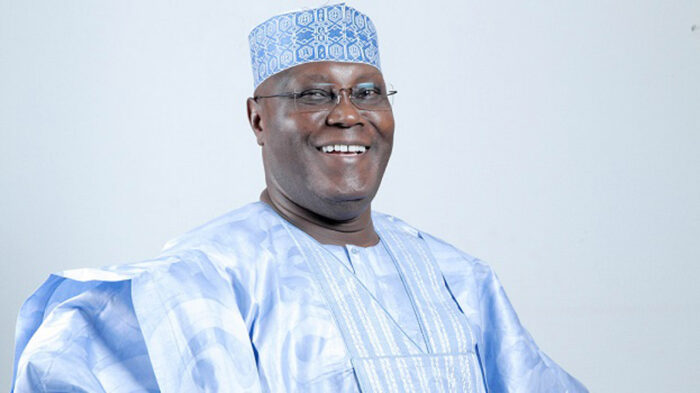
As Nigeria moves closer to the 2027 general elections, a serious question is beginning to arise about the country’s fight against corruption. Is the government genuinely fighting corruption, or is the anti-corruption campaign becoming a weapon against political opponents? This question deserves national attention following reports that the Economic and Financial Crimes Commission (EFCC) has reopened a case involving former Vice President Atiku Abubakar, nearly twenty years after the original investigation.
According to reports, the renewed investigation followed a petition submitted by former House of Representatives member Hon. Ehiozuwa Johnson Agbonayinma. The petition reportedly asked the EFCC to revisit its September 2006 investigation and a February 2010 report by a United States Senate subcommittee. The petitioner was reportedly invited to the EFCC headquarters in Abuja on October 12, 2026, where he answered questions from investigators. While every Nigerian must be accountable under the law, the timing of this development raises questions that should not be ignored.
Why now? Why has a case dating back to 2006 suddenly returned to national attention as preparations for another presidential election gather momentum? If there was sufficient evidence to prosecute Atiku Abubakar, why was the matter not concluded many years ago? And if there was insufficient evidence, what new facts have emerged to justify reopening the investigation? These are reasonable questions that the EFCC should answer publicly without compromising its investigation. Nigerians deserve explanations, not political drama.
The concern becomes even more serious when we consider the political atmosphere in the country. Atiku Abubakar remains one of Nigeria’s most prominent opposition politicians and a major critic of President Bola Ahmed Tinubu’s administration. Former Kaduna State Governor Nasir El-Rufai has also faced corruption allegations and investigations amid political disagreements with the ruling establishment. Although these cases have different facts and legal circumstances, their political implications deserve careful examination. The public must be able to distinguish genuine investigations from actions that may appear politically motivated.
Nobody is above the law, including Atiku Abubakar, Nasir El-Rufai, President Bola Ahmed Tinubu, or any other political leader. If there is credible evidence of corruption against anyone, the law must take its course. However, justice must not only be done; Nigerians must also see that it is being done fairly. An anti-corruption agency loses public confidence when citizens begin to suspect that political loyalty determines who is investigated and who is left alone. The EFCC must demonstrate that its decisions are guided by evidence and the law, not by the political interests of those in power.
The APC-led Federal Government must understand that democracy cannot grow where opposition politicians feel threatened by state institutions. A strong opposition is not an enemy of the country; it is an important part of democratic governance. Opposition leaders have the right to question government policies, challenge those in authority, and contest elections without fear of politically motivated persecution. At the same time, opposition status must never become protection against legitimate criminal investigation. The challenge is to ensure that neither political power nor political opposition determines how justice is administered.
Today, millions of Nigerians are struggling with the high cost of living, unemployment, insecurity, and economic hardship. These are among the major issues that should dominate national discussion as the 2027 elections approach. Nigerians want to hear how their leaders intend to improve their lives, create jobs, protect communities, and restore economic confidence. They do not want another election season dominated by endless political battles, selective accusations, and investigations whose outcomes remain unclear.
The EFCC has an important responsibility to protect Nigeria from corruption, but that responsibility must be carried out with professionalism, independence, and fairness. If the allegations against Atiku Abubakar are supported by credible evidence, the commission should follow the law and allow the courts to determine the outcome. If the investigation produces no basis for prosecution, that conclusion should also be communicated transparently. What Nigerians must reject is any attempt, by any administration, to use anti-corruption institutions to intimidate political opponents or influence electoral competition.
The message to President Bola Ahmed Tinubu’s administration is simple: fight corruption, not political competition. Investigate wrongdoing, not political disagreement. Let the law speak, not political interests. Nigeria belongs to over 200 million citizens, not to the APC, PDP, ADC, or any individual politician. Governments will come and go, but the institutions of justice must remain strong. As 2027 approaches, Nigerians must demand an anti-corruption system that treats everyone equally, whether in government or opposition. The real test of the fight against corruption is not how many opposition politicians are investigated, but whether the same law is applied to everyone, including those who hold power.
Written By: Yasir Shehu Adam (Dan Liman) Journalist and writer, Bauchi state.

























You must be logged in to post a comment Login