
Forgotten Dairies
Who Is Behind the Flames in Ihugh? –By Matthew Ma
The central question remains: who is responsible for the fires, and what is being done to prevent their recurrence? We deserve answers. Our children deserve uninterrupted access to education. Our residents must have reliable healthcare and community services. Our religious workers need to feel safe. Furthermore, the public deserves a government response evaluated not merely by pledges but by credible investigations, accountability, and tangible security improvements.


For a long time, I have wrestled with whether to speak publicly about the repeated arson attacks on St. Winifred Secondary School in Ihugh. However, the latest fire—reportedly the fourth—has compelled me to break my silence. The situation raises the following questions: Who is behind these persistent attacks? Why have the perpetrators not been brought to justice? Is anyone in the community shielding those responsible? These questions demand urgent, transparent investigation and decisive action.
Recurring Flames
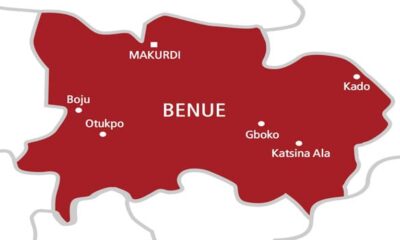
The repeated arson attacks at St. Winifred Girls Secondary School in Ihugh, in the Vandeikya Local Government Area of Benue State, underscore the far-reaching consequences of persistent insecurity. The latest, fourth incident has prompted Most Rev. William Avenya, Catholic Bishop of Gboko, to order the closure of Catholic institutions in Ihugh and the withdrawal of priests, religious sisters, teachers, medical personnel, administrators, and other staff. A letter from the Bishop of the Gboko Diocese, published on 13 October 2026, documented four fires at St. Winifred Girls Secondary School’s student hostels on 28 October 2025, 10 May 2026, 15 May 2026, and 11 October 2026. The recurrence of these incidents raises significant concerns about the circumstances of each fire, the adequacy of preventive measures, and the progress of investigations into their causes. Police have confirmed an ongoing investigation into the latest incident and have assured the community that no students lost their lives. While the absence of fatalities is reassuring, it should not detract from the serious risks posed by repeated attacks on a school entrusted with the safety of young people.
This significant action should prompt each of us to reflect on how circumstances deteriorated to the point that a church institution felt compelled to withdraw its personnel for safety reasons. Who is accountable for these incidents? Were there prior threats or warnings? Were previous complaints formally submitted, and what actions were taken? Were any suspects identified, apprehended, or prosecuted in earlier events? If investigations have begun, what progress has been made? These questions are legitimate and require evidence-based responses from the relevant authorities. They should not be dismissed as political maneuvering. The public is entitled to transparency. Where evidence indicates criminal liability, the law must be enforced. If institutional failures have contributed to these recurring incidents, they must be addressed. If investigations remain inconclusive, authorities should clarify the obstacles encountered and the steps being taken to resolve them.
Why the Bishop Withdrew the Church’s Personnel?
Bishop Avenya’s decision must be understood in the broader context the Diocese outlined. The church identified several contributing factors: repeated fires at St. Winifred Girls Secondary School, ongoing burglaries at St. Winifred Parish, criminal incidents at St. Thomas Hospital, and protests against religious sisters during the hospital’s reopening on June 21, 2024. According to the Diocese, efforts to resolve these issues through engagement with traditional leaders, community elders, civil authorities, and security agencies have failed to produce lasting peace or credible assurances of safety. Consequently, the Diocese has ordered the closure of St. Winifred Girls Secondary School, St. Winifred Nursery and Primary School, St. Thomas Hospital, Salus Mind Care Center and its chaplaincy, and St. Winifred Parish. The Bishop announced the withdrawal of personnel to safeguard church workers and those under their care.
The Bishop’s decision carries significant implications. Schools provide education, hospitals deliver essential healthcare, and parishes offer spiritual and pastoral support. Their withdrawal affects not only the Catholic community but also families and residents who rely on these services. However, it is essential to distinguish the Diocese’s stated reasons from any assumptions about who is responsible for the attacks. Allegations and incidents must be independently investigated, and no individual, group, or community should be held responsible without credible evidence. The frequency of these incidents, which prompted the Diocese’s withdrawal, cannot be overlooked.
A Test of Government Responsibility
The security challenges in Ihugh place a significant responsibility on the Benue State Government and relevant security agencies. Their obligations go beyond issuing statements condemning attacks; they must establish facts, protect vulnerable institutions, investigate criminal acts, and implement effective preventive measures. The government should publicly detail the security measures enacted after previous fires, the investigations conducted, and the arrangements in place before the most recent incident on October 11, 2026. It should also clarify what additional steps it will take to protect schools, healthcare facilities, religious institutions, and their personnel.
These inquiries are especially urgent given the incidents’ extended duration. Each recurrence should prompt a comprehensive evaluation of failures and necessary reforms. If warnings were disregarded, the reasons must be understood. If security measures were inadequate, they must be strengthened. Once suspects are identified, the public deserves transparent updates on legal proceedings that respect due process and investigative integrity. Government actions must be measurable. Residents should be informed about which agencies are responsible for interventions, how incidents are monitored, how complaints are managed, and how progress is communicated. Above all, authorities must prioritize the safety of students and residents, ensuring that assurances are backed by concrete action.
The Human Cost of Institutional Closure
The withdrawal of church personnel has consequences that extend far beyond the closure of buildings and administrative offices. For students, the shutdown of St. Winifred Girls Secondary School raises immediate concerns about educational continuity, examinations, housing, and broader academic disruption. The diocese has pledged to support affected students in continuing their education at other Catholic schools within the diocese. While this commitment matters, the diocese must manage the transition carefully to avoid unfairly disadvantaging students.
For patients, the closure of St. Thomas Hospital and related services creates barriers to care, referral navigation, and continuity of treatment. The diocese has indicated that patients will be directed to alternative facilities and that urgent medical needs will be addressed. For church workers, the withdrawal disrupts their professional and pastoral responsibilities. For residents, it may restrict access to educational, healthcare, and religious services essential to community life. Those most affected must not become collateral damage amid ongoing security challenges. The government should collaborate with the diocese and relevant service providers to ensure that children continue their education, patients receive necessary care, and vulnerable residents retain essential support.
A Community Left Behind
A particularly distressing aspect of the recurring crises in Benue State is the apparent silence of some traditional rulers, whose leadership should promote peace, resolve disputes, and protect their communities. For example, the recurring communal crises across Ugambe, Mbaiase, Bonta, and Oju communities highlight a troubling trend where traditional rulers are frequently accused of remaining silent, failing to take charge, or enabling violence within their domains. The anguish and uncertainty these communities experience illustrate the hardships they face when insecurity threatens their lives and livelihoods, leaving them feeling abandoned. The ongoing conflicts in Ihugh and neighboring towns are among the persistent crises that led me to question traditional rulers’ actions.
Traditional rulers must break this silence and demonstrate visible, responsible leadership by engaging with relevant authorities, facilitating dialogue, and taking a firm stand against violence. Although they may lack the state’s coercive power, they should use their moral authority and influence to prevent escalation and to advocate for decisive government intervention. When communities are in distress, the silence of those entrusted with traditional leadership only heightens public anxiety. The people of Ihugh deserve leadership that speaks, acts, and stands firm for peace. They deserve protection, transparent communication, and a credible path to restoring normalcy in their lives. Any constructive response must also avoid politicizing the issue. The State government cannot be everywhere. We need grassroots leaders to help with matters like this.
Conclusion: Beyond Condemnation, Toward Action
The repeated burning of St. Winifred Girls Secondary School, together with the withdrawal of Catholic personnel from Ihugh, should serve as a critical wake-up call. When school hostels are set ablaze multiple times, a church reports ongoing security threats, and institutions are forced to suspend services due to a lack of credible assurances of safety, it is clear that the situation requires urgent, coordinated attention. While the Bishop’s decision may be painful for those who depend on these institutions, it is a necessary response to the security challenges the Diocese has faced. The appropriate response is not to dismiss these concerns or assign blame without substantiation. Instead, we must conduct a thorough investigation, establish accountability, and address the underlying conditions that have eroded confidence in these institutions’ ability to ensure safety.
The Benue State Government and relevant security agencies must now take concrete steps to show that Ihugh residents—including students, patients, and religious workers—are entitled to effective protection. Traditional leaders must collaborate to credibly, safely, and sustainably restore essential services. The central question remains: who is responsible for the fires, and what is being done to prevent their recurrence? We deserve answers. Our children deserve uninterrupted access to education. Our residents must have reliable healthcare and community services. Our religious workers need to feel safe. Furthermore, the public deserves a government response evaluated not merely by pledges but by credible investigations, accountability, and tangible security improvements. The time for expressions of concern without a definitive plan must end. We require the truth about these attacks, justice for the crimes committed, and prompt action to restore the security and confidence essential to the community’s well-being.
Rev. Ma, S.J., is a Jesuit priest and public policy analyst. He currently writes from Abuja, Nigeria.























You must be logged in to post a comment Login