Africa
How Citizens’ Wrong Narratives Can Affect the Image of Their Country -By Zayd Ibn Isah
I would not be surprised if the erudite professor took time to educate her sympathisers that no such “Christian persecution” exists in her country. In fact, in the part of Nigeria she comes from, Muslims and Christians intermarry and live together peacefully. This reality hardly fits the dark picture often painted abroad. It is our duty as Nigerians, whether at home or in the diaspora, to counter wrong narratives and present the truth about our country with honesty and balance.

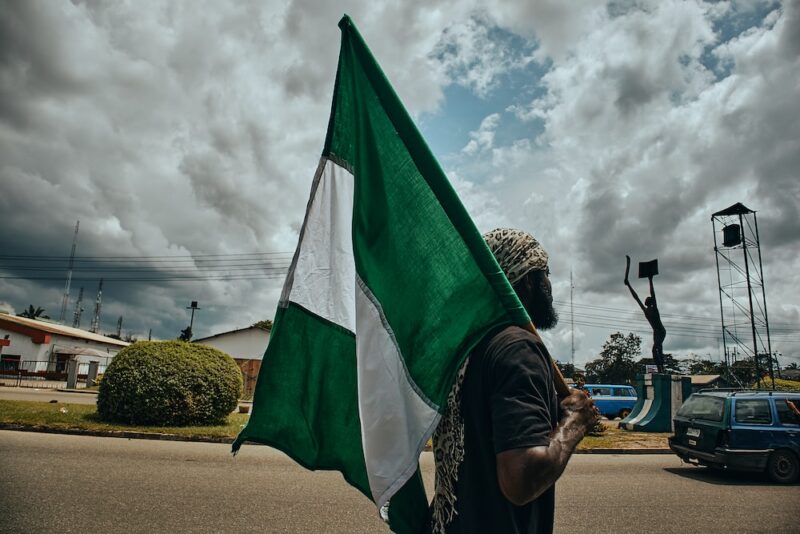
In a recent article, Professor Abimbola Adelakun shared how, whenever she introduced herself as a Nigerian abroad, people often reacted with pity. The sympathy, she explained, came from the popular belief that Christians in Nigeria are an endangered group. But one may ask: is this the same Nigeria we live in every day?
Professor Abimbola was reacting to the debates sparked by American commentator Bill Maher’s claim of “Christian genocide” in Nigeria. All of this was to highlight the fact that some Nigerians, whether to attract attention or secure asylum, are guilty of spreading stories that make their country look far worse than it really is.
The tragic killing of Deborah Samuel in Sokoto over allegations of blasphemy is one example often cited by those pushing the narrative of Christian persecution. But that incident, sad as it was, is not isolated. Muslims have also been victims of similar allegations. One notable case is that of Usman Buda, who was gruesomely attacked and killed in Sokoto over alleged blasphemy. The truth is that religious extremism affects everyone—Christians, Muslims, and even traditional worshippers alike.
The late Professor Pius Adesanmi once wrote on his Facebook page about how Canadian lawyers reached out to him almost every week, seeking his expertise on what he described as assorted “Nigerian experiences.” These included claims of cannibalism, witchcraft, sorcery, family honour killings, paganism, idolatry, and many other situations their Nigerian clients said they were fleeing from.
These claims, which are mostly false, go a long way in shaping how the world sees our country. At the end of the day, the Nigerian may succeed in getting the asylum he or she seeks after alleging persecution, but the reputational damage done to the country remains.
Many Nigerians have been leaving the country to travel to other countries, especially those in North America, Europe and Asia, because of indisputable economic hardship and security issues. But while some of these people have genuine reasons for leaving Nigeria, several of them often prefer to manufacture false stories as their reason for fleeing their country. For a while, the United States and Canada were often sympathetic to these applicants claiming to be fleeing their home countries due to insecurity arising from conflicts, religious violence and sexual persecution. Many of the claims made by these asylum seekers were generally false, but authorities in those host countries would be unaware of that.
In 2022, 20,724 people reportedly fled Nigeria and applied for asylum in other countries, according to UNHCR data. I once read the story of a Nigerian who applied for asylum by claiming he was being persecuted in Nigeria because he was gay. Unfortunately for him, during interrogation, he was asked if he was married, and he unknowingly said “yes.” By the time he realised his mistake, it was already too late, the damage had been done.
There is also the story of another Nigerian man, Peter Udo, who claimed to be gay, lied and presented fake documentation to US authorities to create a false impression that he fled Nigeria to avoid “public execution” because of his sexual orientation. Mr Udo’s quest for asylum in the US moved from the American immigration system to a courtroom in 2022 after his application was denied. He had informed authorities that he was caught in 2015 having sex with his boyfriend in a hotel in Ikot Ekpene, Akwa Ibom State.
This story was investigated by Premium Times, who, in the course of making findings within Akwa Ibom, discovered that Mr. Udoʼs claims were riddled with outright fabrications and falsifications. The hotel where he claimed to have been exposed in, and the community which he alleged to have persecuted him, all stated that no such incident had ever occurred.
There are many other similar cases. This is why some immigration officers in European countries have become more cautious because of the number of Nigerians caught giving conflicting testimonies. Some of these Nigerians would claim to be from areas affected by communal violence, only to be exposed during questioning when they can’t answer basic questions about those communities. Others would even be caught changing their names or tribal identities to fit whatever story they believe will give them better chances of approval.
The irony of these Nigerians portraying the country in a bad light to secure asylum abroad is that, in the end, when push comes to shove, they often run back to the same Nigeria they lied against.
All these false claims may help a few individuals achieve their personal goals, but they come at a great cost to the country’s image. Every time a false story is told and believed abroad, it reinforces negative stereotypes about Nigeria and Nigerians. Already, when the average foreigner is asked about Nigeria, their answers mostly contain mentions of internet fraud (“Nigerian Prince”), insecurity and terrorism, corruption and exaggerated underdevelopment. When these stereotypical perspectives are reinforced and spread over and over again, they end up blotting out whatever positive perception of Nigeria and its citizens that the rest of the world might have had.
This is why we must be careful with the narratives we spread. Telling the truth does not mean denying our problems, but at least we should be able to present them honestly and responsibly. The manufactured narrative of a “Christian Genocide” in Nigeria isn’t new. For years now, if you searched “Nigerian Christians” online, you’d find headlines and reports from U.S.-based Christian advocacy groups warning of an impending extermination. These groups would essentially claim that Christians in Nigeria are on the verge of extinction.
And to drive their point home, these advocacy organizations would go further to circulate gruesome images, sometimes lifting pictures from bandit and terrorist attacks with no regard for accuracy or context. One example of this was when Global Christian Relief (@GC_Relief) went viral for using images from the 2020 Zabarmari massacre. The victims—Muslim farmers buried in traditional white shrouds—were repackaged as evidence of a “Christian genocide.” The appropriation of Muslim corpses for foreign fundraising understandably infuriated many Northerners.
Now, to be clear: Christians have been victims of violence in Nigeria. Churches have been attacked by jihadists, bandits, and criminal gangs. Families have been killed, and worshippers massacred. These are undeniable tragedies. But the leap from acknowledging these attacks to declaring an orchestrated, large-scale “genocide” is vast and dangerous.
This is because the truth itself is more complicated. Violence in Nigeria is diffuse and rooted in land conflicts, economic desperation, ethnic rivalries, political manipulation, and yes, religious extremism. But to grossly exaggerate our problems for personal gain while forgetting that other countries are besotted by theirs, is just plain wickedness garbed in stupidity.
We cannot complain that people like Kemi Badenoch are painting our country bad within global media circles in order to gain acceptance on foreign shores, when more people than she have been in a decade-long phase of concocting pure lies about Nigeria, just to gain asylum. As citizens, we all have a role to play in shaping how the world sees our country. Our words and actions, whether at home or abroad, can either build Nigeria’s image or damage it further.
I would not be surprised if the erudite professor took time to educate her sympathisers that no such “Christian persecution” exists in her country. In fact, in the part of Nigeria she comes from, Muslims and Christians intermarry and live together peacefully. This reality hardly fits the dark picture often painted abroad. It is our duty as Nigerians, whether at home or in the diaspora, to counter wrong narratives and present the truth about our country with honesty and balance.
At the end of the day, it is up to us as citizens to decide whether we intend to save Nigeria through our words, or destroy it with lies out of greed and insensitivity, because therein lies the true meaning of patriotism.
Zayd Ibn Isah can be reached at lawcadet1@gmail.com







![Gaza has been under heavy Israeli bombardment for weeks [File: Ohad Zwigenberg/AP]](https://www.africansangle.com/wp-content/uploads/2023/10/Gaza-has-been-under-heavy-Israeli-bombardment-for-weeks.jpg)