Africa
How to Become a Potential Campus Journalist -By Halima Alkali Abubakar
Finally, building a portfolio and professional image matters. Potential journalists should document their best works — published articles, interviews, or multimedia reports. Sharing them on LinkedIn or personal blogs attracts opportunities. Employers and editors often say, “Your clips are your CV.” A strong campus journalism portfolio can open doors to internships, scholarships, and even full-time media roles.

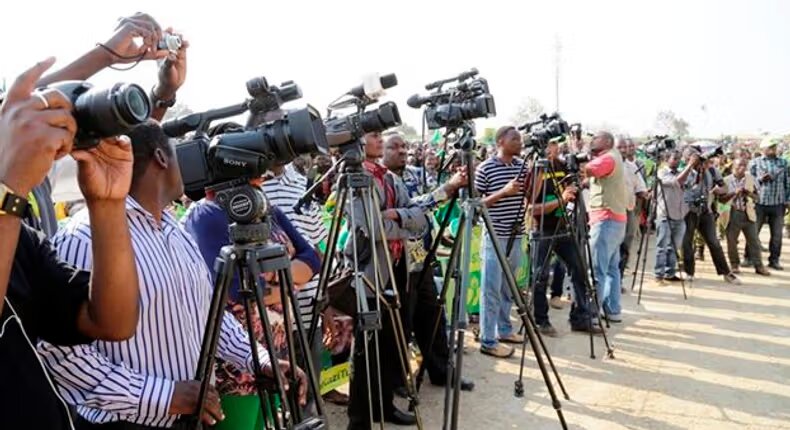
Campus journalism is more than just writing stories for the school paper — it’s a training ground for the nation’s future storytellers, investigators, and truth defenders. Becoming a potential campus journalist takes passion, persistence, and purpose. It is a journey that begins with curiosity and matures into a sense of responsibility toward truth and society.
First, interest and curiosity form the foundation. A potential campus journalist must develop a genuine interest in news, storytelling, and current affairs. As veteran journalist Dele Olojede once said, “Curiosity is the fuel of journalism; without it, stories die before they are born.” It starts with asking questions — about what happens on campus, why it happens, and how it affects students.
The second stage is building skills in writing and communication. A journalist’s pen is only as strong as their clarity of thought. Reading widely — from newspapers to novels — improves vocabulary and writing style. Joining a campus press club or contributing to a departmental magazine helps in practice. According to the Campus Press Hub Nigeria (2024), over 70% of successful student journalists began as contributors to small campus publications.
Next comes training and mentorship. Journalism requires more than talent; it demands training. Attending workshops, webinars, and journalism bootcamps sharpens one’s reporting, editing, and ethical understanding. Many universities in Nigeria, such as the University of Lagos and Ahmadu Bello University, now organize annual press conferences and training sessions to mentor young campus reporters. As CNN’s Christiane Amanpour famously said, “Trust is earned through skill and sincerity.”
The fourth stage involves learning media ethics and credibility. A journalist’s integrity is their greatest asset. Understanding accuracy, fairness, and balance is vital. Campus journalists must avoid bias, plagiarism, and rumor-peddling. The Nigerian Union of Campus Journalists (NUCJ) advises that “responsible journalism starts with truth, not traffic.” This principle separates professionals from mere content creators.
Then comes developing investigative and critical thinking skills. Potential journalists must learn to dig beneath the surface. Investigating student issues such as tuition, hostel conditions, or student union leadership builds credibility. As one journalism lecturer at Bayero University Kano notes, “A campus journalist who can ask tough questions will one day ask national ones.” This is how student reporters transition into national figures.
Equally important is networking and collaboration. Joining press clubs, journalism associations, or online media communities helps in learning from peers. Through collaboration, students can co-produce stories, exchange editing feedback, and even gain access to national media platforms. Many successful Nigerian journalists, including BBC’s Aisha Salaudeen, started from campus press teams and collaborations.
The seventh stage focuses on using digital tools. Journalism today is not just about print; it’s digital, visual, and fast. Knowing how to record videos, edit audio, or use platforms like Canva, Google Docs, and social media enhances storytelling. The Reuters Institute (2023) found that 82% of young reporters now use social media for news sourcing and dissemination — a skill every campus journalist should master responsibly.
Furthermore, persistence and resilience are key traits. Campus journalism comes with challenges — censorship, limited funding, or even intimidation from authorities. But these challenges build courage. As the late Sam Nda-Isaiah of Leadership Newspaper said, “Courage is the first qualification for a journalist; without it, truth will always hide.” Learning to report with confidence and caution prepares one for real-world media practice.
Finally, building a portfolio and professional image matters. Potential journalists should document their best works — published articles, interviews, or multimedia reports. Sharing them on LinkedIn or personal blogs attracts opportunities. Employers and editors often say, “Your clips are your CV.” A strong campus journalism portfolio can open doors to internships, scholarships, and even full-time media roles.
In conclusion, becoming a potential campus journalist is a journey of growth — from curiosity to credibility, from campus to the country. It requires discipline, courage, and creativity. As one senior editor told his interns, “You don’t wait to be a journalist; you start acting like one.” Every story written in the classroom or hostel corridor is a step closer to shaping society’s conscience through the power of words.
Halima Alkali Abubakar
Kashim Ibrahim University