
Africa
Vehicles of Corruption -By Kator Ifyalem
Corruption is not merely a person’s act, it is the habit of a system. And like every vehicle, it moves only when fueled. The real question, then, is not how corruption travels, but who keeps giving it the fuel it needs to move.

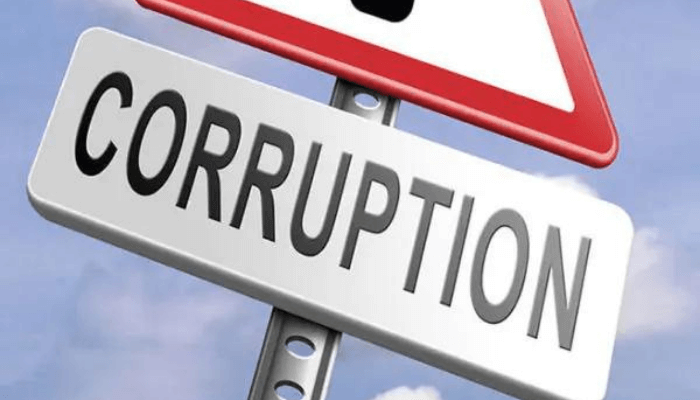
Corruption does not move by itself; it travels through deliberate and sometimes subtle instruments that carry it from thought to action, from individual greed to collective decay. These vehicles in most cases are familiar systems, institutions, policies, and even cultural norms. In many parts of Africa, corruption has learned to wear the robe of legitimacy while moving through these channels, unseen yet deeply felt.
One of the most enduring vehicles is bureaucracy. What was meant to organize public service and ensure accountability has often become a maze designed to confuse, delay, and extract. Every form, file, and signature becomes an opportunity for negotiation. The longer the process, the higher the price. Over time, inefficiency becomes a deliberate and convenient cover for exploitation.
Public contracts and procurement form another vehicle. Behind every inflated contract lies a network of approvals, justifications, and shared interests. Projects are sometimes designed not for public benefit but for private distribution. Roads, hospitals, and schools become tools of political reward rather than engines of development. When such projects fail, no one is truly accountable because everyone has had a share in the failure.
Politics itself is perhaps the most powerful vehicle. Campaigns are financed not as investments in ideas but as down payments for future access. Once in office, the cycle of repayment begins, through appointments, contracts, and kickbacks. Leadership becomes transactional. Public office, instead of being a platform for service, turns into a marketplace where loyalty and silence are priced commodities.
In the private sector, corruption finds comfort in collusion. Businesses that thrive are not always the most competent but often the most connected. Regulatory bodies become gatekeepers of privilege, and merit is quietly replaced by proximity. This culture spills over into everyday life, shaping how people seek jobs, favours, and justice. Integrity begins to look like a disadvantage in a system that rewards compromise.
Even cultural and social values sometimes aid the journey. When success is measured by wealth rather than worth, and when questions about sudden affluence are dismissed as envy, corruption finds a moral refuge. The celebration of power without purpose and wealth without work weakens collective resistance. Over time, corruption ceases to shock, it becomes normal, even admired.
Yet, corruption is not invincible. The same vehicles that carry it can also transport integrity if reengineered with transparency and accountability. Bureaucracy can protect rather than exploit. Contracts can empower rather than enrich. Politics can inspire rather than manipulate. The transformation begins when citizens refuse to serve as passengers in the journey of corruption and instead choose to drive change themselves.
Corruption is not merely a person’s act, it is the habit of a system. And like every vehicle, it moves only when fueled. The real question, then, is not how corruption travels, but who keeps giving it the fuel it needs to move.




















You must be logged in to post a comment Login