
Forgotten Dairies
Nigeria Needs Sustainable Solutions to Rising Fuel Prices, Not Temporary Relief, by Yusuf Musa
Nigeria needs a sustainable framework for fuel-price stability, not a cycle of temporary relief and renewed hardship. The real test of any intervention is not the announcement itself, but whether it helps ordinary Nigerians afford transportation, food and other essentials with greater certainty.

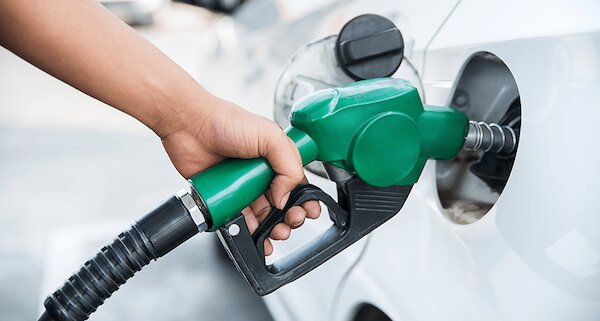
The Federal Government’s proposed 30-day petrol discount raises a fundamental question about Nigeria’s response to the rising cost of living: is the government addressing the problem sustainably, or merely easing the pressure temporarily? With rising fuel prices feeding into transport fares, food prices and the cost of essential goods, Nigerians need more than short-term relief. They need a clear, credible policy that can sustain price stability beyond a 30-day window.
What happens when the 30 days expire? Will petrol prices rise again just as millions of Nigerians prepare to travel for the end-of-year festivities? A temporary intervention may provide some relief, but without a clear plan for what follows, households and businesses remain exposed to the same uncertainty.
Beyond the 30-day window, the government, through the Minister of Finance, proposed a ₦1,350-per-litre ceiling on the ex-gantry or landing cost of petrol to prevent sudden price spikes. Under the proposed arrangement, refiners and importers would absorb costs above the ceiling and recover the difference when market conditions improve.
With pump prices hovering around ₦1,400 per litre, the proposal sounds appealing in theory. However, what happens if international oil prices or exchange rates remain unfavourable for an extended period? How will deferred costs be calculated and recovered? Which regulatory body will monitor compliance and publish these figures to prevent the accumulation of opaque, government-backed liabilities?
These are not minor administrative details. They could determine whether the policy delivers genuine price stability or simply replaces the former fuel subsidy with another, less transparent financial burden. A credible framework requires clear implementation rules, transparent reporting and a realistic contingency plan for prolonged unfavourable market conditions.
With the 2027 general elections approaching, Nigerians are also entitled to ask whether these measures form part of a sustainable economic strategy or are temporary responses to public pressure. This is a legitimate question, not proof of political motive. The government can address it by demonstrating that its commitments to price stability and household relief will extend beyond the initial intervention and the election cycle.
Nigeria needs a sustainable framework for fuel-price stability, not a cycle of temporary relief and renewed hardship. The real test of any intervention is not the announcement itself, but whether it helps ordinary Nigerians afford transportation, food and other essentials with greater certainty.
Yusuf Musa
yusufmusarigasa@gmail.com
























You must be logged in to post a comment Login