Africa
INEC, Politicians and the 2027 General Election -By Tochukwu Jimo Obi
The 2027 General Election should not merely be another contest for power; it should be an opportunity to strengthen Nigeria’s democracy. Achieving this requires discipline from politicians, integrity from institutions, and vigilance from citizens. The work must begin now.

As Nigerians continue to bask in the euphoria of a new year, the political class appears to have shifted attention rapidly towards the 2027 General Election. Across the country, politicians and political parties have begun early strategising, consultations, and alignments, signalling that the race for power is already underway, barely midway into the current political cycle.
This familiar pattern raises serious concerns. As has been observed repeatedly over the years, early politicking often comes at the expense of governance. Many elected officials find their attention divided between service delivery and political survival, a situation that has consistently weakened public institutions and slowed national development. The consequences are visible: stalled projects, poor policy execution, worsening insecurity, economic hardship, and decaying infrastructure.
This trend is unfortunate and must not continue. Nigeria is at a critical point where citizens are yearning not for political drama, but for tangible improvements in their lives. Good governance, improved security, economic growth, job creation, and infrastructural development should remain the primary focus of those entrusted with public office.
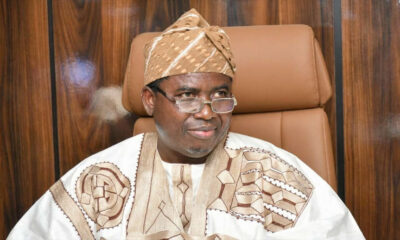
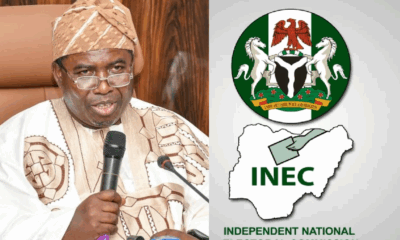
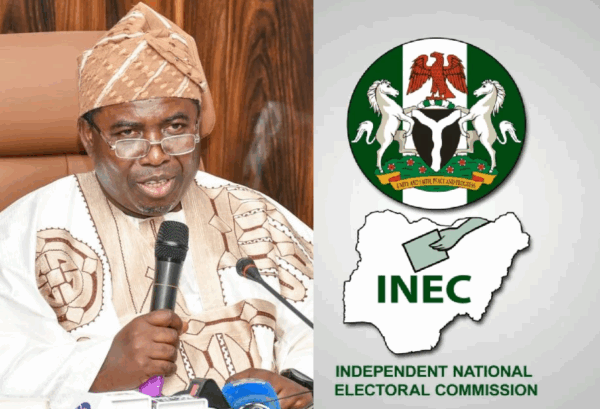
Against this backdrop, the Independent National Electoral Commission (INEC) carries a heavy responsibility. Under its new chairman, Professor Joash Amupitan, the commission has repeatedly reassured Nigerians of its readiness to conduct free, fair, and credible elections that will be generally acceptable in 2027. While such assurances are necessary, they are not sufficient.
Beyond promises, INEC must begin now to confront the persistent loopholes that undermined previous elections. Issues such as logistical failures, voter suppression, result manipulation, violence, and weak enforcement of electoral laws must be decisively addressed. The commission must also work closely with the National Assembly to ensure the timely passage of necessary amendments to the Electoral Act, strengthening the legal framework ahead of 2027.
Technology remains one of INEC’s most effective tools. Greater and smarter use of technology can significantly reduce human interference and electoral malpractice. From voter accreditation to result transmission, systems must be improved, secured, and made more transparent to restore public confidence in the electoral process.
Most importantly, INEC should seriously consider conducting all elections in one day. There is no compelling justification for staggering elections over several days. A single-day election would save the country enormous financial resources, reduce political tension, limit manipulation, and simplify logistics and security arrangements. Prolonged election periods only create opportunities for interference and instability.
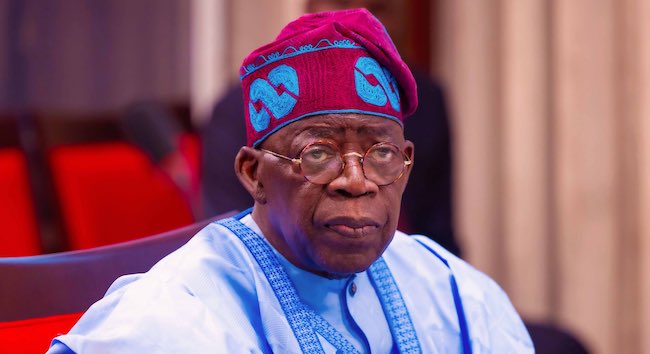
Beyond INEC, the responsibility for credible elections and effective governance is collective. President Bola Ahmed Tinubu and state governors must caution their appointees against abandoning governance for politics. Early signs of this distraction are already evident in some quarters, and it must be checked before it becomes entrenched.
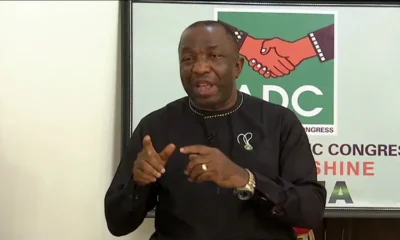
Political parties, too, must play their part. Internal democracy should not be treated as a slogan. Parties must avoid imposing candidates on the electorate and instead allow transparent, credible processes that reflect the will of their members and the people.
The 2027 General Election should not merely be another contest for power; it should be an opportunity to strengthen Nigeria’s democracy. Achieving this requires discipline from politicians, integrity from institutions, and vigilance from citizens. The work must begin now.
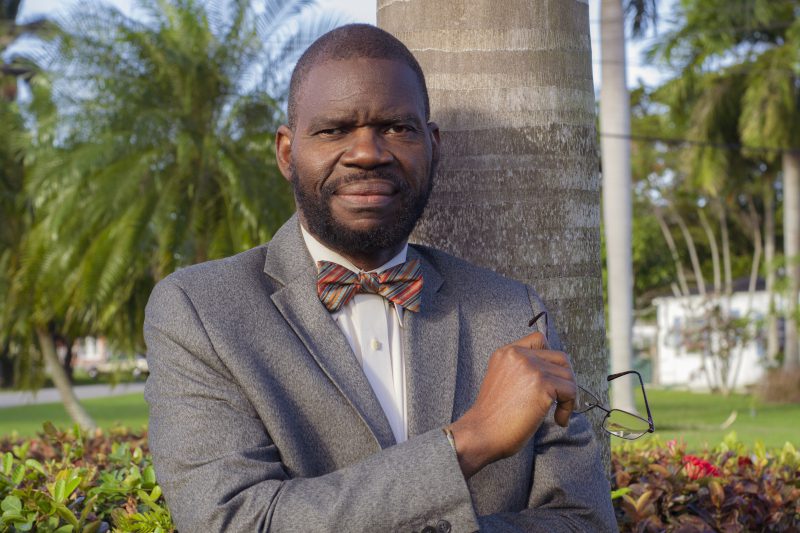
Tochukwu Jimo Obi, a public affairs commentator writes from Obosi Anambra state.