Africa
IRF Summit and Religious Freedom Violations in Nigeria -By Leo Igwe
So the IRF Summit offers an opportunity for the Nigerian government to persuade the world that that the Nigerian state is not complicity in these violations, that what is going on in Nigeria is not a ‘Christian genocide’; that the government is protecting citizens regardless of religion or belief. Apart from the plenaries that would focus on impact on security and emerging crises, the summit draws attention to three important themes: action, awareness, and accountability.

The International Religious Freedom (IRF) Summit will be held in Washington, DC, in February. The event looks promising and timely because in many parts of the world, the right to practice, change, or express one’s belief or non-belief in religion is endangered. For too long, violations of religious freedom have been perpetrated with impunity in many parts of the globe. Delegates from various parts of the world will gather to share their experiences and discuss the challenges they face in their respective countries. Advocates will be exploring ways and mechanisms to advance freedom of religion, belief, and conscience. As the organisers have noted, religious freedom touches every aspect of culture and society. Many people live under situations and circumstances where they suffer religious restrictions and persecution. In this piece, I highlight the importance of this summit and how Nigeria could seize the opportunity to address religious freedom violations.
Recently, Nigeria, Africa’s most populous nation, has been in the news following the designation by the Trump Administration as a country of particular concern. This designation underscores Nigeria’s notoriety for religious freedom violations, especially the noted ‘Christian genocide’ by radical Islamists in Northern Nigeria. The Nigerian government has denied that Christian genocide is taking place in the country. It faulted the data that informed the designation. Nigeria has reiterated its commitment to upholding the religious liberty of all citizens.
But truth be told, there is no Freedom of Religion or Belief (FoRB) in Nigeria. Freedom of religion exists mainly in principle, on paper, not in practice. There are egregious, systemic, and pervasive freedom of religion violations by state and non-state actors in the country. Many Nigerians are religious or identify as religious, as Christians or as muslims, out of fear of being persecuted or killed if they changed their religion or openly expressed their thoughts or belief. In places where Christianity is dominant, non-Christians, including muslims, traditional religionists, and atheists suffer systematic discrimination or abuse. In parts of Nigeria where muslims are in the majority, the situation is worse. Especially in the northern parts of the country, sharia is enforced. Apostasy and blasphemy are crimes punishable by death. There is no freedom of religious, non-religious, or irreligious expressions. Views that are critical of Islam are easily framed as insults to the religion or its prophet. Religious dissent or non-belief is demonized and criminalized. Missionary Christianity and jihadist Islam have created a situation where violations of religious freedoms constitute a religious duty.
For instance, on January 1, some muslim fanatics set ablaze the house of a traditional religious worshipper in Ilorin, Kwara state. They burnt down the apartment because they didn’t want the woman to reside in a Muslim-dominated area in Ilorin. Police have arrested some suspects. But authorities must do more to protect religious minorities in Kwara state. Despite constitutional guarantees for freedom of religion or belief, adherents of Isese traditional religious worship have suffered attacks, persecution, and violence in many parts of central and south-west Nigeria.
So the IRF Summit offers an opportunity for the Nigerian government to persuade the world that that the Nigerian state is not complicity in these violations, that what is going on in Nigeria is not a ‘Christian genocide’; that the government is protecting citizens regardless of religion or belief. Apart from the plenaries that would focus on impact on security and emerging crises, the summit draws attention to three important themes: action, awareness, and accountability.
In terms of action, the summit will “celebrate effective actions, analyze successful interventions, share lessons learned, and provide encouragement to those facing challenges”. Nigeria should utilize this session to outline the steps it has taken to address violations of religious freedom. Nigeria needs to tell the world the legal and political measures that it has taken to combat religious persecutions, killings, and kidnappings by jihadist groups. Nigerian authorities should explain how they are furthering multi-faith alliances, tolerant pluralism, and other guarantees of freedom of religion and conscience in the country.
In terms of awareness, the summit plans to shine the light on regions, practices, or trends of concern, seeking ‘to raise awareness of freedom of religion violations that have been unreported, underreported or overlooked’. Nigeria is one of those places in the world where many cases of religious freedom violations are ignored or minimized because they are often violations by religious majorities. In Kano, Sokoto, and other Sharia-enforcing states, implementers violate the rights of others with impunity. They exclude non-Muslims from state positions and impose Islamic norms on religious and non-religious others.
In the area of accountability, the summit will explore how ideas and imperatives linked to freedom of religion or belief could be transformed “into actively enforced, legally binding obligations for governments, societies, and individuals”. According to the organizers, “Beyond merely protecting individuals and belief communities, these powerful safeguards serve as proactive mechanisms that deter would-be persecutors and create unprecedented opportunities for systemic change”. Religious freedom violations persist in Nigeria because of a lack of accountability, because perpetrators are not brought to book or made to answer for their crimes.
So the IRF summit will be an opportunity for Nigeria to point out the safeguards in place for punishing perpetrators and deterring would-be violators of freedom of religion or belief in the country. Nigeria should use the summit to rebrand and reposition itself as a beacon of religious freedom in Africa.
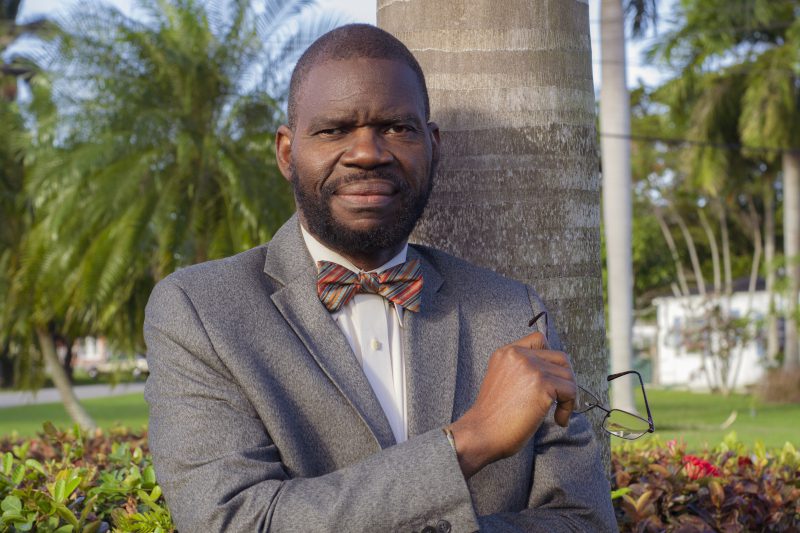
Leo Igwe is a FORB advocate and board member of Humanists International.