Africa
Mr. President And APC: Criticism Is A Blessing, Not A Curse -By Isaac Asabor
Nobody expects perfection from this administration. But Nigerians do expect sincerity, empathy, and responsiveness. The hardship in the land is real. The hunger is biting. The frustration is boiling. People are not crying because they hate the government. They are crying because they feel forgotten.

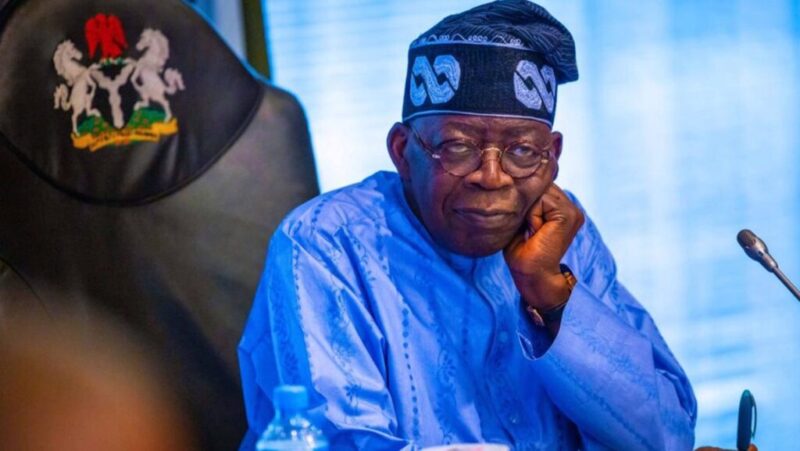
In a democratic society, where leadership is built on the pillars of public trust, accountability, and transparency, criticism is not a curse. It is a blessing, a mirror that reflects the realities that leaders might otherwise ignore or be too insulated to see. Unfortunately, in today’s Nigeria, criticism seems to be mistaken for sabotage, and concerned voices are often branded as enemies of the state.
If recent developments are anything to go by, it has become increasingly evident that President Bola Ahmed Tinubu and many within the ranks of the All Progressives Congress (APC) are developing a troubling allergy to criticism. This resistance to public feedback, however genuine or well-intentioned, is not only unhealthy for democratic growth but dangerously shortsighted.
Nigerians, from the bustling markets in Lagos to the dusty streets of Zamfara, are speaking out, and not without cause. Inflation has skyrocketed, food prices have reached absurd levels, the naira is weakening against the dollar, and the average citizen is being pushed to the edge of survival. Yet, each time a frustrated Nigerian raises his or her voice, the ruling elite and some APC members and followers, particularly on social media platforms react with irritation, labeling critics as opposition sympathizers, paid disruptors, or worse, enemies of progress.
But let us cut to the heart of the matter: criticism is not an act of war; it is an act of patriotism. In fact, it is far more dangerous to a nation’s progress when leaders surround themselves with sycophants who clap even when the roof is collapsing. Leadership is not a performance stage where only applause is allowed. It is a service contract, and Nigerians have every right to question its fulfillment.
At this juncture, it is expedient to ask, “Why is there so much panic over criticism, particularly as observed ahead of, and during the marking of May 29 by virtue of its democratic importance few days ago?
The answer may lie in the psychology of power. Power tends to isolate. The higher one rises, the harder it becomes to hear dissenting voices, not because they do not exist, but because the circle of influence becomes narrower, filled with praise singers and loyalists who are quick to sugar-coat reality. This creates an echo chamber that mutes public discontent and exaggerates government successes.
Yet criticism, especially when widespread and consistent, is a sign that the people are engaged, not indifferent. It shows that the populace still believes that change is possible, and that they have not given up on the system altogether.
Psychologists have long studied how human beings respond to criticism. Roy Baumeister’s concept of the negativity bias explains why negative feedback often sticks with us longer than praise. But in governance, that bias is a gift. It keeps leaders alert. It forces introspection. And more importantly, it creates opportunities for course correction.
Let us be clear: the average Nigerian does not have the president’s phone number. They cannot walk into the Aso Rock villa to schedule a meeting and pour out their grievances. Their voices are channeled through the only means available, protest, commentary, social media, street interviews, and yes, critical journalism.
To brand these voices as enemies of the state is to misunderstand the very essence of democratic governance. In recent times, statements from top APC officials have shown a growing intolerance for dissent. Citizens lamenting the high cost of living are tagged as “opposition agents.” Those who complain about fuel price hikes or food scarcity are accused of sabotaging government efforts.
This level of defensiveness is unbecoming of a ruling party, especially one that mounted the podium in 2023 with the slogan of “Renewed Hope.” If hope is to be renewed, it must be sustained by policies that work, and those policies must be guided by the lived experiences of the people.
There is no great leadership without the humility to listen. Great leaders, from Abraham Lincoln to Nelson Mandela, understood the value of criticism. It was not always comfortable, but it was necessary.
Criticism helps identify policy blind spots. It spotlights implementation failures. It calls attention to unintended consequences. For instance, the removal of fuel subsidies, while economically justifiable in theory, has plunged millions into deeper poverty in practice. The backlash is not necessarily against the policy itself, but against the absence of a structured palliative system to ease the transition.
Similarly, when people question insecurity, they are not “playing politics.” They are crying out for safety in a country where bandits, kidnappers, and terrorists continue to wreak havoc. Dismissing such cries as “noise” is both arrogant and dangerous.
History is replete with leaders who were destroyed not by criticism, but by excessive praise. When everyone around a leader says “yes,” even when the answer should be “no,” the results are always catastrophic.
Ask former President Goodluck Jonathan. At the height of his administration, he was hailed as a transformational leader. Every government action was lauded. Critics were ridiculed. But when the tide turned, those same praise singers vanished into thin air. Jonathan was left politically isolated and ultimately voted out.
Praise creates complacency. Criticism inspires vigilance. A government that is constantly praised can quickly lose its touch with reality. And when leaders become too insulated from the people, the fall is always steep and sudden.
Given the foregoing viewpoints, it is expedient to urge APC members and their supporters to drop the victimhood mentality and begin to see criticism as an elixir of doing better.
The APC is not the opposition. It is the party in power, nationally and in most states. It campaigned aggressively for the 2023 election and emerged victorious. That comes with responsibility, not victimhood.
To behave as though criticism is some kind of political persecution is to betray a lack of readiness for governance. Democracy thrives on checks and balances. Criticism is part of that ecosystem. It helps keep the government in check, ensures accountability, and fosters responsiveness.
Instead of deflecting every critique, the APC should be asking tough internal questions: “Are we truly delivering on our promises?”” Are our policies effective?” “What do we need to improve?” This level of introspection is not weakness; it is the highest form of leadership maturity.
Those who always see criticism as a curse should not forget that Tinubu’s legacy is still being written. This is as President Tinubu often references his achievements as governor of Lagos State, and rightly so. But Nigeria is not Lagos. The challenges are deeper, broader, and more volatile. If he wants his legacy to be remembered for transformation, not turmoil, he must embrace criticism as a tool for recalibration.
He should engage the critics, not blacklist them. He should empower his communication team to listen, not lecture. He should re-engineer policies to meet the real needs of the people. And most importantly, he should ensure that governance is about the people, not about protecting political capital.
To Mr. President and the APC leadership: the criticism you run from today is the same criticism that may rescue your legacy tomorrow. Instead of fighting back with venom, respond with vision. Instead of labeling dissenters as traitors, treat them as stakeholders. Because they are.
Nobody expects perfection from this administration. But Nigerians do expect sincerity, empathy, and responsiveness. The hardship in the land is real. The hunger is biting. The frustration is boiling. People are not crying because they hate the government. They are crying because they feel forgotten.
In a democracy, when citizens stop complaining, it does not mean things have improved, it means they have given up hope. And that is the true curse, not criticism.
So when next you hear a citizen raise his or her voice in anger, or a journalist pens a critical piece, don not curse. Do not arrest. Do not dismiss.
Ask yourself: “What if they are right?” Because history will not remember how often you were praised. It will remember what you did when you were challenged.