
Africa
NAPTIP And The Battle Against Human Trafficking In Nigeria -By Solomon Dilibe Obinna
NAPTIP stands as a shield against one of Nigeria’s darkest crimes. Yet, the fight against human trafficking cannot be won by the agency alone. It requires collective responsibility from government institutions, communities, religious leaders, and the international community. For Nigeria to defeat trafficking, the nation must not only punish offenders but also tackle the root causes that make its citizens vulnerable in the first place.

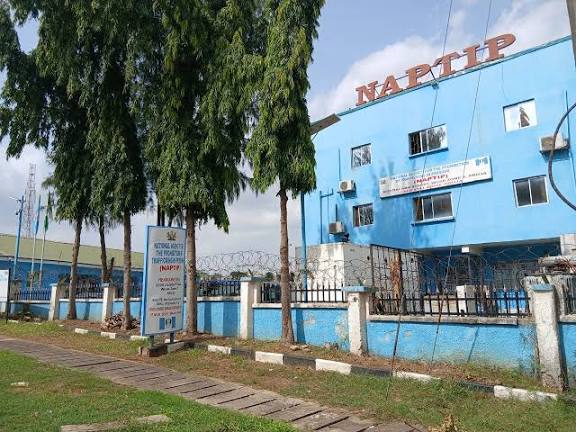
Human trafficking has become one of the gravest human rights abuses facing Nigeria today. Every year, thousands of Nigerians—particularly women and children—fall victim to traffickers who exploit them for forced labor, domestic servitude, prostitution, and even organ harvesting. At the center of Nigeria’s fight against this menace is the National Agency for the Prohibition of Trafficking in Persons (NAPTIP), established in 2003 to enforce laws against human trafficking and protect victims.
The creation of NAPTIP followed Nigeria’s ratification of the United Nations Palermo Protocol, which called on countries to criminalize and combat human trafficking. Since then, NAPTIP has grown into a frontline institution mandated to investigate trafficking cases, prosecute offenders, and rehabilitate survivors. Despite these efforts, human trafficking remains a persistent challenge, fueled by poverty, unemployment, porous borders, and weak enforcement mechanisms.
One of the biggest challenges NAPTIP faces is the sophistication of trafficking networks. These syndicates operate both locally and internationally, often disguising their activities under the guise of labor recruitment, overseas education, or marriage opportunities. Victims, desperate for better opportunities, are lured with false promises only to end up in exploitative conditions. Breaking these networks requires intelligence, collaboration, and international cooperation.
Another major concern is the rehabilitation and reintegration of victims. While NAPTIP shelters provide counseling, vocational training, and medical care, the number of victims often outpaces the available resources. Survivors who return to their communities frequently face stigma, economic hardship, and risk of re-trafficking. Without sustainable empowerment programs, the cycle of vulnerability continues.
Corruption and weak law enforcement further complicate NAPTIP’s mission. In some cases, traffickers exploit the justice system to escape punishment, while some officials turn a blind eye to trafficking activities. Though NAPTIP has secured notable convictions, the pace of prosecution remains slow compared to the scale of the problem. Stronger accountability and judicial reforms are urgently needed to ensure traffickers face the full weight of the law.
Poverty and unemployment remain root causes of human trafficking in Nigeria. With millions of young people jobless and frustrated, traffickers exploit their desperation by offering fake travel opportunities abroad. Until Nigeria addresses its socio-economic challenges, NAPTIP’s work will continue to be an uphill battle. The fight against trafficking is not only a legal struggle but also a developmental one.
On the positive side, NAPTIP has recorded significant achievements over the years. The agency has rescued thousands of victims, secured hundreds of convictions, and created awareness campaigns across schools, communities, and media platforms. Its partnership with international organizations, such as the International Organization for Migration (IOM) and UNICEF, has strengthened Nigeria’s capacity to combat human trafficking.
Public awareness is another area where NAPTIP has made strides. Through campaigns like “Not for Sale” and community outreach programs, the agency has educated citizens on the tricks of traffickers. However, awareness must be continuous and widespread, especially in rural areas where traffickers often recruit unsuspecting victims.
Looking ahead, technology must play a bigger role in NAPTIP’s fight. From data collection and case tracking to digital intelligence sharing with international partners, tech-driven solutions can help expose trafficking syndicates more effectively. Social media can also be used to warn potential victims and mobilize communities against traffickers.
In conclusion, NAPTIP stands as a shield against one of Nigeria’s darkest crimes. Yet, the fight against human trafficking cannot be won by the agency alone. It requires collective responsibility from government institutions, communities, religious leaders, and the international community. For Nigeria to defeat trafficking, the nation must not only punish offenders but also tackle the root causes that make its citizens vulnerable in the first place.
SOLOMON DILIBE OBINNA IS A 300 LEVEL STUDENT FROM MASS COMMUNICATION DEPARTMENT UNIVERSITY OF MAIDUGURI.



























