
Africa
NDIC And The Quest For Banking Stability In Nigeria -By Yohanna Amos
The Nigerian banking sector is not immune to global and local shocks, but the presence of NDIC provides a safety cushion. Still, the corporation must continue to evolve, not only as an insurer of last resort but also as a proactive guardian of financial integrity. For Nigerians to truly trust their banks, NDIC must remain vigilant, transparent, and forward-looking in its quest for stability.

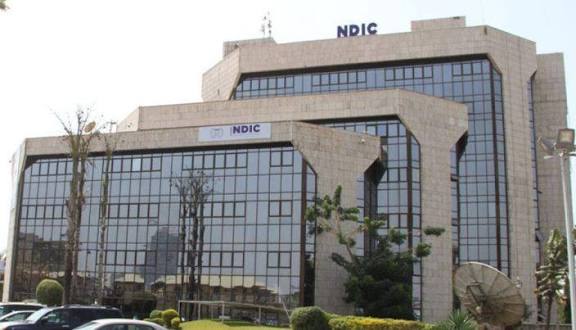
The banking sector is the heartbeat of any economy, and its stability determines the strength of national development. In Nigeria, the Nigeria Deposit Insurance Corporation (NDIC) has, for over three decades, played a vital role in protecting depositors and safeguarding confidence in the financial system. Yet, the challenges of economic uncertainty, cyber threats, and unstable banking practices continue to test the institution’s resilience.
The NDIC was established In 1989 with a clear mandate: to insure deposits, supervise banks, and assist in resolving financial crises. At its core, the corporation was designed to be a safety net for depositors, ensuring that even if a bank collapses, customers do not lose their life savings. This mandate has grown more critical in an era of recurring economic shocks and financial instability.
Over the years, Nigeria has witnessed multiple bank failures, often triggered by poor corporate governance, weak regulatory compliance, or economic downturns. Each collapse has threatened public confidence in the financial system. It is in these moments that the NDIC steps in to provide assurance, paying depositors and stabilizing the sector. This role, though effective, has not been without challenges.
A major concern is the level of financial literacy among Nigerians. Many depositors are unaware of NDIC’s existence or the extent of its coverage. Currently, NDIC insures deposits up to a specific limit, but misconceptions persist, leading to panic whenever banks show signs of distress. This underscores the need for continuous public awareness campaigns to build trust and reduce misinformation.
Another pressing issue is the growing threat of cybercrime. With the rise of digital banking and mobile transactions, cyberattacks on financial institutions are becoming more frequent and sophisticated. While NDIC’s traditional role has been tied to physical bank failures, the digital age demands a rethinking of deposit protection strategies. Cyber resilience must become a key part of the NDIC’s focus in the years ahead.
The problem of insider abuse in banks also complicates NDIC’s work. Poor risk management practices, fraudulent directors, and unchecked lending have often led to financial distress. Although the NDIC, in collaboration with the Central Bank of Nigeria (CBN), has intensified supervision, the challenge remains deep-rooted. Stronger penalties and stricter monitoring are needed to prevent reckless banking practices.
Funding is another area of concern. For NDIC to effectively meet its obligations, its deposit insurance fund must remain robust. However, in an economy struggling with inflation, naira depreciation, and fiscal deficits, sustaining an adequate reserve is a daunting task. If multiple banks were to collapse simultaneously, NDIC could face immense pressure in fulfilling its mandate.
Despite these hurdles, the corporation has made significant contributions to banking stability. Through prompt payment of insured deposits, liquidation of failed banks, and supervision of financial institutions, NDIC has helped maintain confidence in Nigeria’s financial system. Its collaboration with CBN in ensuring early detection of distress signals has also strengthened preventive oversight.
Looking ahead, NDIC must embrace innovation. Expanding its coverage to fintechs, mobile money operators, and other emerging financial service providers is crucial in today’s evolving financial landscape. Additionally, leveraging technology for monitoring and deposit insurance administration will make the corporation more proactive and efficient.
The Nigerian banking sector is not immune to global and local shocks, but the presence of NDIC provides a safety cushion. Still, the corporation must continue to evolve, not only as an insurer of last resort but also as a proactive guardian of financial integrity. For Nigerians to truly trust their banks, NDIC must remain vigilant, transparent, and forward-looking in its quest for stability.
YOHANNA AMOS IS A 300 LEVEL STUDENT FROM MASS COMMUNICATION DEPARTMENT UNIVERSITY OF MAIDUGURI.

























You must be logged in to post a comment Login