Forgotten Dairies
Nigeria Police And The Fight Against Fake News: Preparing For The 2027 General Election -By Adewole Kehinde
The Nigeria Police must therefore be prepared not just physically, but digitally and intellectually, to manage this new frontier of election security. By investing in training, awareness, and technological capability now, the police can ensure that social media serves as a tool for democracy, rather than a weapon of disruption.

As Nigeria looks toward the 2027 general election, one cannot ignore the sweeping influence social media continues to have on the nation’s political landscape.
What began as a platform for sharing pictures, jokes, and viral videos has now evolved into a major theater of political debate, propaganda, civic engagement, and activism.
Social media will not just influence the 2027 elections; it will define them. From candidate emergence to campaign strategy, from mobilizing supporters to monitoring results, digital platforms will be central to the political process.
This presents a major opportunity and an equally serious challenge. If handled wisely, social media can strengthen democracy, amplify the voices of the youth, and promote transparency. But if left unchecked, it can become a breeding ground for division, manipulation, and conflict.
AI-generated pictures, deepfake videos, and false narratives can spread like wildfire, shaping opinions, inciting tension, and undermining trust in electoral institutions.
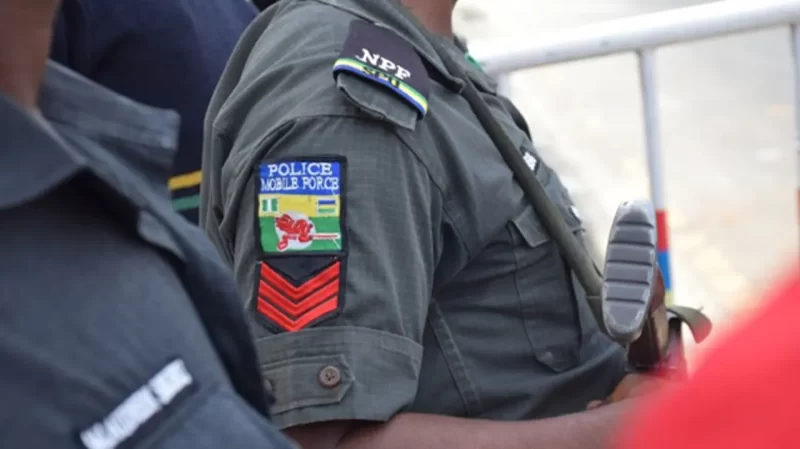
The Nigeria Police Force, under its constitutional mandate to ensure peaceful, free, and fair elections, has a critical role to play in this digital age. Beyond their traditional duties of maintaining law and order, police officers are increasingly being called upon to manage misinformation, monitor election-related crises, and safeguard the integrity of the electoral process. To rise to this challenge, early and adequate training for personnel is no longer optional; it is essential.
Training must now extend beyond crowd control and security logistics. Officers must understand the dynamics of social media, the mechanics of AI-generated content, and the strategies for verifying information.
They must be equipped to detect and respond to fake news while respecting citizens’ rights to freedom of expression. Early engagement in these areas will allow the police to act swiftly, prevent escalation of misinformation-driven crises, and maintain public confidence in the election process.
As the countdown to 2027 continues, it is clear that social media will shape narratives and influence outcomes.
The Nigeria Police must therefore be prepared not just physically, but digitally and intellectually, to manage this new frontier of election security. By investing in training, awareness, and technological capability now, the police can ensure that social media serves as a tool for democracy, rather than a weapon of disruption.
The 2027 general election is fast-approaching. It is an opportunity for Nigeria to demonstrate the resilience of its democratic institutions and for the Nigeria Police to prove that, in the age of information, they are as adept at managing misinformation as they are at maintaining order on the streets.
Adewole Kehinde is a public affairs analyst based in Abuja. 08166240846. kennyadewole@gmail.com @kennyadewole