Africa
Nigeria: The Cost of Diplomatic Darkness – A Nation Adrift Without Ambassadors -By Jeff Okoroafor
In this void, a fractured system emerges. Career diplomats serving as chargés d’affaires hold the fort heroically but lack ambassadors’ rank, access to host leadership, and full backing from Abuja. Ministers deployed as roving envoys offer expensive, inefficient crisis diplomacy devoid of resident ambassadors’ continuity and local expertise. Even the president’s foreign travels cannot compensate—he cannot be everywhere, and domestic politics inevitably pulls focus. This patchwork signals to the world Nigeria’s disregard for serious diplomatic engagement.


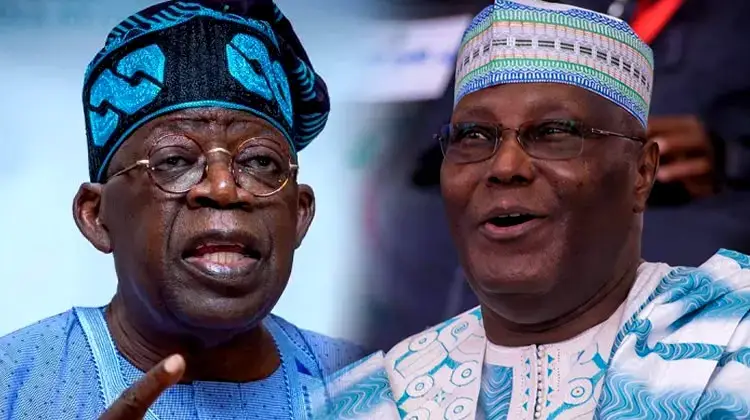
For nearly two years, Nigeria has navigated global geopolitics as a ghost ship. Its embassies stand hollow, diplomatic cables silent, and its international voice muffled. President Bola Tinubu’s administration, approaching its second anniversary, has committed profound strategic self-sabotage by failing to appoint a single ambassador to represent Africa’s most populous nation. This is not administrative delay but a costly dereliction of duty with consequences echoing from stranded citizens in conflict zones to boardrooms where billion-dollar deals wither. The bitter irony? While the nation drifts diplomatically rudderless, Aso Rock’s machinery appears laser-focused on the distant horizon of the 2027 elections.
The Hollow Embassies: A Vacuum with Vicious Costs
The ambassador vacuum is a gaping wound in Nigeria’s global standing. Economically, ambassadors serve as the nation’s chief commercial officers abroad. Without them, investment stalls as potential partners face uncertainty about negotiation channels. High-level deals requiring government backing languish while competitors like Ghana and Rwanda aggressively court the same investors. Trade barriers rise exponentially, as navigating foreign regulations, securing export markets for Nigerian oil, gas, and agriculture, and combating unfair practices becomes nearly impossible without senior advocacy. Nigeria also flies blind in global markets, lacking ambassadors’ critical intelligence on policy shifts and emerging opportunities.
Security faces existential peril. Ambassadors cultivate vital relationships with host security agencies, enabling intelligence sharing on terrorism, organized crime, and regional instability. Their absence creates critical counter-terrorism gaps, hindering collaboration with Sahel neighbors on Boko Haram and banditry. Intelligence failures become inevitable without ambassadors’ access to high-level security warnings about regional coups or transnational crime networks. Most tragically, Nigerians abroad are abandoned in crises. Consular services collapse—passport and visa processing stalls, while citizens facing unjust detention, medical emergencies, or deportation find no high-level advocate. During conflicts like Sudan, evacuation coordination falters without ambassadorial authority, risking lives.
Diplomatically, Nigeria sinks into irrelevance. Empty ambassador chairs at crucial tables mean the nation is often represented by lower-level chargés d’affaires lacking the rank to influence UN Security Council reform debates, climate justice negotiations, or AU affairs. Soft power erodes as cultural diplomacy and educational exchanges atrophy, ceding ground to rivals in shaping Africa’s narrative. Nigeria’s regional leadership in ECOWAS is fundamentally undermined when it neglects bilateral diplomacy with key partners.
The 2027 Shadow: Patronage Over Patriotism
This diplomatic freeze stems not from neglect but calculated political inertia. Ambassadorial appointments represent prime patronage opportunities—rewards for loyalists, bargaining chips for factions, and infrastructure-building for the 2027 campaign. Intense jostling for lucrative postings in Washington, London, and Beijing has created gridlock within the presidency. The disturbing implication is clear: Tinubu prioritizes internal political maneuvering over the foundational duty of representing Nigeria globally. Electoral calculus trumps national interest, sacrificing external security and citizen welfare at the altar of domestic power consolidation.
The “Shadow Ambassadors” and Ad-Hocracy’s Toll
In this void, a fractured system emerges. Career diplomats serving as chargés d’affaires hold the fort heroically but lack ambassadors’ rank, access to host leadership, and full backing from Abuja. Ministers deployed as roving envoys offer expensive, inefficient crisis diplomacy devoid of resident ambassadors’ continuity and local expertise. Even the president’s foreign travels cannot compensate—he cannot be everywhere, and domestic politics inevitably pulls focus. This patchwork signals to the world Nigeria’s disregard for serious diplomatic engagement.
Beyond Appointments: The Systemic Rot
While appointing envoys is urgent, this crisis exposes deeper flaws. The over-politicization of postings—viewed as spoils rather than strategic roles—undermines professionalism. Chronic underfunding cripples embassy operations regardless of leadership. The process lacks transparency, with no clear criteria prioritizing expertise, language skills, or host-country knowledge over political loyalty.
Conclusion: The Unbearable Price of Silence
Nigeria pays a steep daily tariff for its diplomatic absence: economic stagnation, security vulnerabilities, citizen anguish abroad, and hemorrhaging global stature. The president’s 2027 preoccupation amid this neglect reveals a hierarchy where political survival overshadows statecraft. Appointing ambassadors is not a luxury but a sovereign obligation. Every embassy day without its chief representative weakens, impoverishes, and endangers Nigeria. Tinubu must break the patronage logjam, prioritize Nigeria’s global standing, and dispatch envoys to reclaim the nation’s voice. To do otherwise condemns Nigeria to spectator status in its own destiny—governed not by strategy, but by the myopic calculus of the next election. The cost of this diplomatic darkness is too catastrophic to endure.

Jeff Okoroafor
Jeff Okoroafor is a social accountability advocate and a political commentator focused on governance, accountability, and social justice in West Africa.