Economy
Nigeria’s Deepening Economic Crisis: A Reflection of Governance, Security, and Social Strain -By Patience Joel Bassi

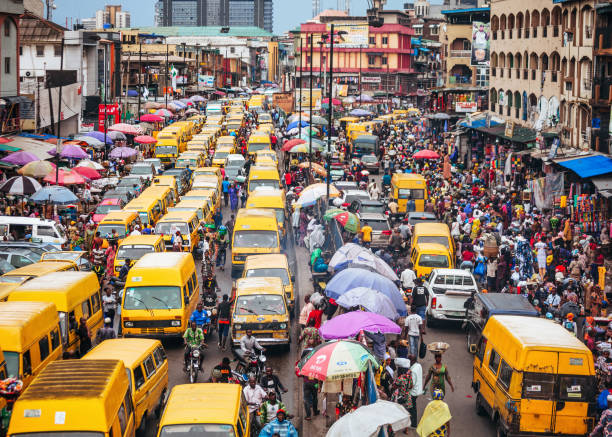
Nigeria today stands at a critical crossroads as it confronts a deepening economic crisis that continues to define national discourse and shape daily realities for millions of citizens. Despite being Africa’s largest economy by GDP, the country faces challenges that extend far beyond statistics—touching the lives of ordinary Nigerians and testing the resilience of its political and social structures. The International Monetary Fund (IMF) and the World Bank have both warned of structural weaknesses that threaten sustainable growth, while the promise of reform often feels distant for those living in hardship.
At the heart of Nigeria’s current predicament lies an escalating cost of living. The removal of fuel subsidies, the devaluation of the naira, and persistent inflation have combined to erode purchasing power. Basic commodities like rice, bread, and fuel have become increasingly unaffordable for low- and middle-income households. The World Bank recently projected that Nigeria’s poverty rate could rise significantly by 2027 if current trends continue, pushing millions further into economic distress. What was once a temporary shock has now become a chronic crisis.
This economic malaise is inseparable from the problem of governance. For decades, weak institutions, poor policy implementation, and systemic corruption have undermined the country’s development potential. Successive governments have pledged to tackle poverty and boost industrialization, yet the delivery gap remains stark. Social protection schemes exist largely on paper, and transparency in resource allocation remains minimal. As a result, while reform agendas are announced with fanfare, their impact on the ground remains shallow and inconsistent.
The human impact of this crisis is visible in every corner of the nation. Families are cutting back on essential goods, workers are demanding higher wages to cope with inflation, and many graduates wander the streets without employment. Farmers, once considered the backbone of Nigeria’s economy, face double jeopardy from insecurity and rising costs of inputs. In regions such as Benue and Zamfara, banditry and insurgent activities have driven many away from their farmlands, worsening food insecurity and inflation.
Insecurity, in fact, has become one of the defining dimensions of Nigeria’s national problem. From Boko Haram insurgency in the northeast to kidnappings and communal clashes in the north-central and southern regions, the sense of safety has steadily eroded. Economic growth cannot thrive in a climate of fear. When people are displaced from their homes and livelihoods, when investors are scared to expand businesses, and when students cannot attend school, the nation’s human capital deteriorates.
Beyond these security concerns, policy missteps have compounded the hardship. The removal of subsidies, while economically justified by some analysts, was poorly managed without adequate cushioning measures for vulnerable citizens. Similarly, the floating of the naira has led to wild fluctuations that discourage investment and destabilize household incomes. Nigerians are thus caught between the ideals of reform and the harsh reality of transition without protection.
The notion of “inclusive growth” remains one of Nigeria’s most elusive goals. While a few sectors such as telecommunications, fintech, and oil exports show signs of vitality, the majority of citizens have not felt the benefits. The widening inequality between the urban elite and the struggling poor continues to fuel frustration. Many young Nigerians now view migration as their best option, joining the “Japa” wave in search of better opportunities abroad.
Public confidence in government policies has steadily waned as a result of these conditions. Citizens no longer judge leaders by promises but by the tangible impact of governance on their lives. Across major cities, protests have erupted over hardship, unemployment, and perceived “anti-masses” policies. These expressions of anger are not merely political—they reflect a deeper erosion of trust in the social contract between the government and the governed.
Nevertheless, Nigeria’s challenges are not insurmountable. Experts suggest that a clear path to recovery must focus on rebuilding institutions, ensuring fiscal transparency, investing in agriculture and manufacturing, and restoring security. Equally crucial is a robust social protection system that reaches those most affected by inflation and unemployment. Policies must prioritize people over politics, with implementation that reflects both urgency and empathy.
In the final analysis, Nigeria’s economic crisis is a mirror reflecting the state of its governance, security, and social cohesion. It is a crisis that demands more than speeches—it requires decisive leadership, honest reform, and shared sacrifice. If the government can align its economic strategies with the needs of its citizens, Nigeria may yet transform this moment of despair into one of renewal and progress. But failure to act decisively could deepen the nation’s woes and widen the gap between its vast potential and its present reality.
PATIENCE JOEL BASSI Department of mass communication Kashim Ibrahim University, Maiduguri