Forgotten Dairies
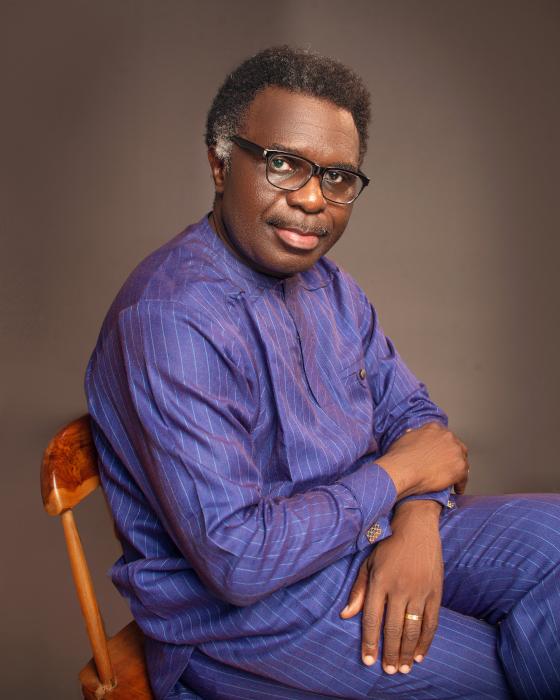
Nigeria’s Middle Class Is Slipping Into Poverty — And We Are All at Risk -By Abdulhamid Rabiu
Nigeria cannot build a sustainable future while allowing its middle class to disappear. This is not merely an economic issue; it is a social warning. A nation without a strong middle class risks becoming a country of extremes — and history shows that such societies are rarely stable.


Nigeria’s middle class has long been the quiet stabilizer of society — not loud, not privileged, but essential. They are the teachers, junior civil servants, journalists, small entrepreneurs, health workers, and young professionals who hold the economy together through their labor, taxes, and consumption. Today, that stabilizing force is slipping dangerously into poverty.
This decline is not sudden; it is gradual, almost silent. Yet its effects are visible everywhere. Households that once lived modest but stable lives are now struggling to meet basic needs. Rent, food, transportation, electricity, and healthcare costs continue to rise, while incomes remain largely stagnant. What used to be careful budgeting has turned into constant survival planning.
One of the most damaging aspects of this crisis is inflation. Rising prices have eroded purchasing power to the point where salaries lose value almost as soon as they are paid. The middle class, unlike the wealthy, cannot hedge against inflation. Unlike the poorest, they often fall outside the scope of social assistance programs. They are caught in a dangerous middle ground — too “comfortable” to be helped, yet too strained to cope.
Recent economic reforms have further intensified this pressure. The removal of fuel subsidies and currency adjustments were presented as necessary steps toward long-term economic stability. However, the immediate consequences have been harsh. Transportation costs doubled, food prices surged, and essential services became more expensive. For middle-income earners, these shocks have meant painful trade-offs — withdrawing children from private schools, delaying medical care, selling assets, and exhausting savings.
Beyond the financial strain lies a deeper psychological cost. The middle class traditionally represents hope — the belief that education, hard work, and discipline lead to a better life. When that belief collapses, frustration grows. People begin to question the value of effort in a system that no longer rewards it. This erosion of trust is dangerous for social cohesion and democratic stability.
The shrinking of Nigeria’s middle class should worry policymakers deeply. A healthy middle class drives consumer demand, supports small businesses, and serves as a buffer between extreme wealth and extreme poverty. Without it, inequality widens, social mobility declines, and economic growth becomes fragile and exclusionary.
What is urgently needed is a shift from abstract economic targets to people-centered policies. Inflation control must be prioritized. Wages should reflect the cost of living. Social protection programs must recognize the vulnerability of middle-income households. Small businesses — the traditional pathway into middle-class security — need access to affordable credit and supportive regulation.
Nigeria cannot build a sustainable future while allowing its middle class to disappear. This is not merely an economic issue; it is a social warning. A nation without a strong middle class risks becoming a country of extremes — and history shows that such societies are rarely stable.
Rescuing Nigeria’s middle class is not an act of charity. It is an investment in national stability, dignity, and long-term development.