Africa
Nigeria’s Protest Paradox: Can Lasting Change Be Driven?, by Clement S. Uwayah

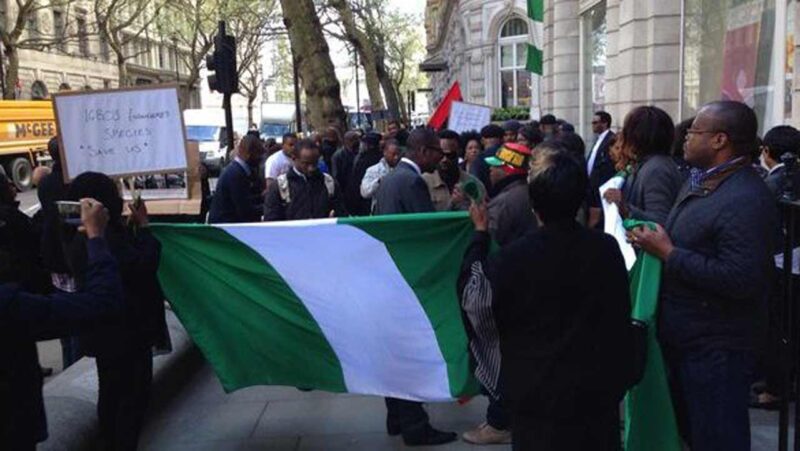
As August 2024 approaches, Nigerians are bracing themselves for a new wave of nationwide protests, fueled by frustration and discontent with the government’s handling of escalating socio-economic challenges. From crippling unemployment and rising inflation to endemic corruption and chronic fuel scarcity, the country’s woes have deepened, eroding trust in the government’s ability to deliver on its promises. Amidst this uncertainty, a nagging question lingers: Can protests truly drive lasting change in Nigeria, or are they mere expressions of frustration, destined to be co-opted or crushed by the status quo?
Nigeria’s history of protests stretches back to the anti-colonial movements of the 1950s. In the 1990s, pro-democracy movements rose, culminating in the return to civilian rule in 1999. More recently, protests have continued to shape the country’s trajectory. In 2012, nationwide protests against fuel subsidy removal brought the country to a standstill, resulting in a 5-day halt in economic activities and a partial reversal of the policy. The 2020 #EndSARS movement further highlighted deep-seated frustrations with police brutality and governance. Today, Nigerians are again taking to the streets, driven by a broader range of socio-economic grievances and a growing demand for systemic change.
Protests in Nigeria often follow a predictable cycle: widespread outrage, mass mobilization, and initial concessions from the government, only to be followed by a return to the status quo. This cycle of protest and repression has led some to question the effectiveness of demonstrations in driving meaningful change. One reason for this paradox is the government’s ability to co-opt or suppress protests. In some cases, the government has been able to hijack the narrative, using concessions to appease protesters while maintaining the underlying structures of power. In other cases, brute force has been used to silence dissenting voices.
Despite these challenges, protests remain a vital component of Nigeria’s democratic landscape. They provide a safety valve for pent-up frustrations and a platform for marginalized voices to be heard. So, what can be done to break the protest paradox and unlock the potential for lasting change? Firstly, protesters must develop a clear, unified vision for reform, going beyond mere demands for concessions. Secondly, the government must be willing to engage in genuine dialogue, addressing the root causes of discontent rather than just its symptoms. Finally, civil society organizations and international partners must support and amplify the voices of protesters, holding the government accountable for its commitments.
Notably, some protests have broken the mold, achieving meaningful reforms. The #EndSARS movement, for instance, led to the disbandment of SARS and the establishment of judicial panels, resulting in a 30% reduction in reported police brutality cases. Similarly, the 2012 fuel subsidy protests secured a partial policy reversal, saving Nigerians an estimated ₦1 trillion in fuel costs. These successes share common traits: clear demands, strategic media engagement, and negotiated dialogue with the government. By building on these strengths, future protests can overcome the paradox and drive lasting change.
As Nigerians prepare for another wave of protests, it’s imperative to learn from history and adapt to the present. To break the cycle of protest and repression, protesters must unite behind a clear vision, harnessing media to amplify their message. The government must engage in genuine dialogue, addressing root causes and implementing reforms. Civil society and international partners must support protesters, holding the government accountable. The time for change is now – only through sustained pressure and strategic engagement can Nigerians shatter the protest paradox and build a brighter future.
The advent of social media and digital platforms has transformed the protest landscape in Nigeria. With over 50 million social media users, Nigerians have leveraged platforms like Twitter, Facebook, and WhatsApp to organize, mobilize, and express dissent. Hashtags like #EndSARS, #OccupyNigeria, and #BringBackOurGirls have become rallying cries, reaching a global audience of millions and transcending geographical boundaries. Social media has enabled protesters to bypass traditional gatekeepers, build a sense of community, and facilitate crowdfunding, legal support, and international solidarity. However, the government’s increasing use of digital tactics to suppress dissent underscores the importance of digital security, online anonymity, and innovative uses of technology to outmaneuver repression.
The global community has a vital role in supporting Nigerian protesters, especially when faced with state repression. International condemnation, diplomatic pressure, and targeted sanctions can help hold the government accountable for human rights abuses. For instance, the international community’s response to the 2019 #EndSARS protests, including condemnation from the UN and EU, helped reduce the government’s use of force. Similarly, international support for the 2014 #BringBackOurGirls campaign pressured the government to take action. International organizations and civil society groups can provide critical capacity-building, legal assistance, and amplify Nigerian voices on the global stage, making a tangible difference in the fight for democratic accountability.
As Nigeria teeters on the brink of uncertainty, a critical juncture has been reached. Will the government address its citizens’ grievances or resort to repression? The military’s warning that it won’t watch the country burn hints at a readiness to use force. Yet, can protesters ensure their movement isn’t hijacked by desperate individuals amidst crippling hunger? The answer lies with Nigerians, who must organize, mobilize, and demand change. By leveraging strategic engagement, technological expertise, and international support, protesters can break the cycle of protest and repression, ushering in a new era of democratic accountability and transformative change.
Nigeria’s protest paradox poses a complex challenge, but also an opportunity for growth. As the country navigates its intricate socio-political landscape, one thing is clear: Nigerians’ voices won’t be silenced. Through protests and other forms of engagement, they’ll continue demanding a better future. Undeniably, protects are supposed to engineer changes in policy, leadership, institutional reforms, community empowerment, amongst others. How these will become a reality in Nigeria with the extreme craze for power and unending selfism remains a mirage. Time will tell if the efforts would yield lasting change, even as we pray it does.
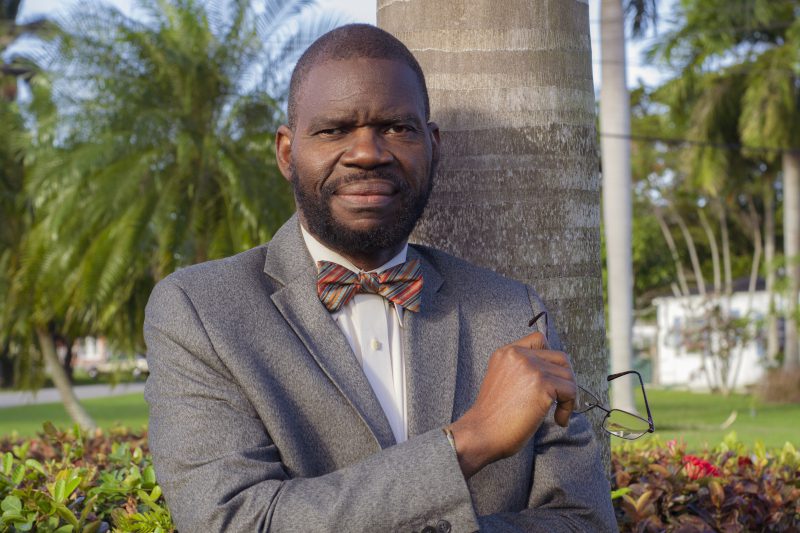
Clement S Uwayah, a political affairs commentator writes from Benin City, Edo Stste, Nigeria.