Africa
One Voice in Many Tongues -By Nihad Ahmad Imam
Nigeria is a nation of many voices, but its progress depends on how well those voices understand one another. English, as a second language, may not carry native melody, but it remains the strongest bridge between our tongues, tribes, and tomorrow. Instead of tearing it down, we must strengthen it not at the cost of our identity, but in service of our unity, development, and future in the global conversation.

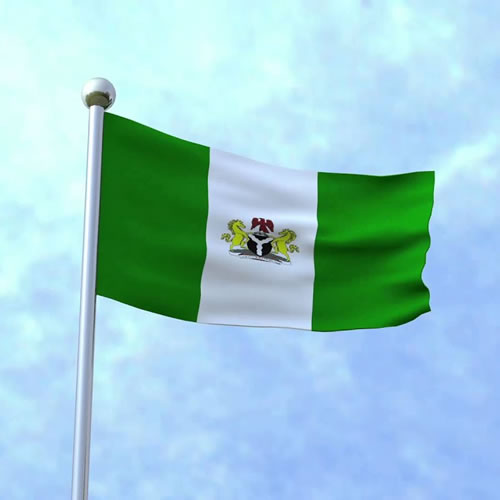
In Nigeria’s vast linguistic forest, choosing the right path for educational instruction is like navigating a maze of voices, cultures, and histories. Among these, the second language particularly English stands tall, not just as a colonial remnant, but as a unifying bridge. As debates continue on whether to prioritize indigenous languages in education, it is crucial to recognize why the second language should remain Nigeria’s academic lifeline.
Nigeria is home to over 500 languages and numerous ethnic groups. Introducing a single indigenous language as the national medium of instruction would be nearly impossible without marginalizing others. English, while not native, provides a neutral ground a common tongue that no ethnic group can claim as exclusively theirs. It holds the nation together in classrooms where diversity sits side by side.
English is the gateway to global relevance. In a world dominated by international collaboration, digital innovation, and cross-border trade, English remains the language of power. Students educated in English are better positioned to access global opportunities from scholarships and academic research to tech and remote work. It is not just a language; it is a passport.
The availability of educational materials heavily leans in favor of English. The majority of textbooks, scientific research, and instructional content are published in English. Translating complex materials into hundreds of local languages would demand massive investment, time, and trained personnel a luxury Nigeria cannot currently afford.
Maintaining English as a second language instruction promotes national integration. In mixed schools across the country, students from Hausa, Igbo, Yoruba, Tiv, and countless other backgrounds are able to learn and relate through one shared medium. This reduces language-based division and builds mutual understanding among Nigeria’s future leaders.
There’s a shortage of trained teachers fluent enough in both academic subjects and indigenous languages. Teaching physics or economics in a local language is not just about fluency; it’s about having the right terminology. Many indigenous languages lack developed vocabularies for modern, scientific, or technical concepts making instruction in them difficult and even confusing.
The attempt to shift fully to indigenous language instruction could widen the urban-rural gap. Urban students, exposed to more English in media and conversation, would still thrive, while rural students may struggle with poor-quality translations or unqualified instructors. Instead of empowering the marginalized, the change could deepen educational inequality.
Keeping English as the primary medium of instruction doesn’t mean sidelining native languages. Indigenous languages can and should be taught as subjects, preserved through literature, media, and local storytelling. Cultural identity and academic excellence can coexist, but they don’t need to compete in the same space.
Bilingual or multilingual models can be encouraged where necessary, especially in lower levels of education. But the core of instruction especially from secondary school upwards should remain in English to maintain standardization and global compatibility.
Education is not just about passing exams; it’s about preparing for life beyond the classroom. In Nigeria’s job market public and private communication in English is often a minimum requirement. Diluting this standard could produce graduates who are culturally grounded but globally disconnected.
The argument to replace English with local languages often comes from emotion, not feasibility. While emotionally resonant, such proposals lack clear roadmaps or resources. The focus should instead be on improving how English is taught, making sure students understand and can use it effectively, while still respecting their roots.
Nigeria is a nation of many voices, but its progress depends on how well those voices understand one another. English, as a second language, may not carry native melody, but it remains the strongest bridge between our tongues, tribes, and tomorrow. Instead of tearing it down, we must strengthen it not at the cost of our identity, but in service of our unity, development, and future in the global conversation.