Africa
Reimagining the National Action Plan on Youth, Peace and Security in Nigeria -By Richard Dukpa Dambo
Whether it is digital peace campaigns in Onitsha, interfaith youth work in Jos, or grassroots dialogue in Gusau, young Nigerians are already reimagining what peace can look like in practical, innovative, and inclusive ways. But their impact will remain limited unless we build structures that support, not stifle, their efforts. It is time for Nigeria to match the ambition of its youth with meaningful investment, political will, and a renewed commitment to the principles of Youth, Peace and Security.

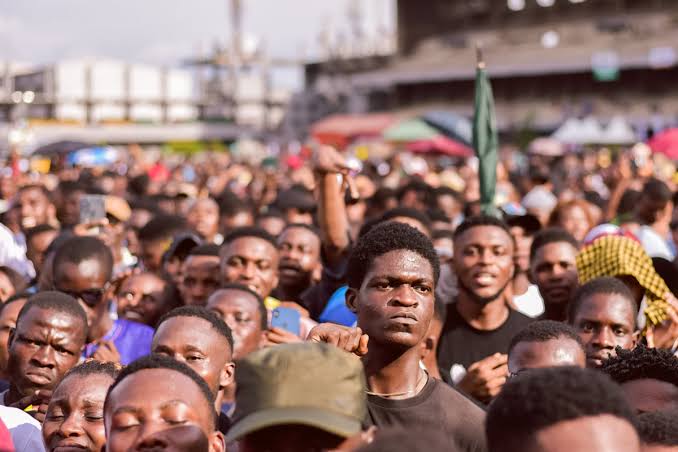
Every year on September 21st, the world marks the International Day of Peace, a moment to reflect on our shared hopes for a more just and peaceful world. This year, 2025, is especially significant. It marks ten years since young people were formally recognized as key partners in peacebuilding through the adoption of United Nations Security Council Resolution 2250. For a country like Nigeria, where over 60 percent of the population is under 30, this milestone is not just symbolic. It is a reminder and a call to put youth at the heart of peace and security conversations.
Over the past decade, Nigeria has taken some bold steps. When UNSCR 2250 was passed in 2015, few imagined that Nigeria would become a global frontrunner in localizing it. But on November 1st, 2021, Nigeria adopted a National Action Plan (NAP) on Youth, Peace and Security, becoming the second country in the world, after Finland, to do so. That move sparked a new wave of youth-led peace efforts across the country.
The pillars of youth peace and security in Nigeria, derived from the UN Security Council Resolution 2250, are Participation, Protection, Prevention, Partnerships, and Disengagement and Reintegration. These pillars form the foundation of Nigeria’s National Action Plan on Youth Peace and Security (NAPYPS), aiming to empower youth to become agents of peace, address vulnerabilities, and build a more secure nation. I have seen this transformation up close. At PACE Institute for Research and Development, a youth-led organization I founded, we work in diverse communities in Kaduna and Plateau States, regions often marked by religious and cultural tension. We believe young people are not just beneficiaries of peace, but leaders and creators of it. From interfaith dialogues to community advocacy, we are helping youth turn shared pain into shared purpose. We have seen how giving young people a seat at the table can turn division into dialogue and fear into trust.
While the NAP on Youth, Peace and Security is a step in the right direction, much remains to be done. Implementation has often been more promise than practice. Many youth-led initiatives are thriving, full of creativity, energy, and hope, but chronic underfunding and lack of institutional support hold them back. In rural, marginalized, and conflict-affected areas, countless young Nigerians are still left on the sidelines of peace processes. Their voices are unheard, their potential untapped.
Beyond funding, there are other critical gaps. Issues like mental health, climate insecurity, and the reintegration of ex-combatants are rarely given the attention they deserve in national peacebuilding strategies, even though they deeply affect the lives of young people. If we truly want sustainable peace, these realities can no longer be ignored.
As we approach the ten-year review of Resolution 2250, Nigeria finds itself at a crossroads. The past decade has offered important lessons, but moving forward requires more than reflection. It demands reform. Youth participation must go beyond tokenism or symbolic representation at peace summits. It must mean real influence, real power, and real ownership. It also means recognizing the diversity within Nigeria’s youth, especially the voices of young women, rural youth, and those from historically marginalized communities.
Whether it is digital peace campaigns in Onitsha, interfaith youth work in Jos, or grassroots dialogue in Gusau, young Nigerians are already reimagining what peace can look like in practical, innovative, and inclusive ways. But their impact will remain limited unless we build structures that support, not stifle, their efforts. It is time for Nigeria to match the ambition of its youth with meaningful investment, political will, and a renewed commitment to the principles of Youth, Peace and Security.
Richard Dukpa Dambo writes from Kaduna, Nigeria.