Opinion
Seeing Bashar Al-Assad’s Downfall As Lessons For African Leaders, by Isaac Asabor

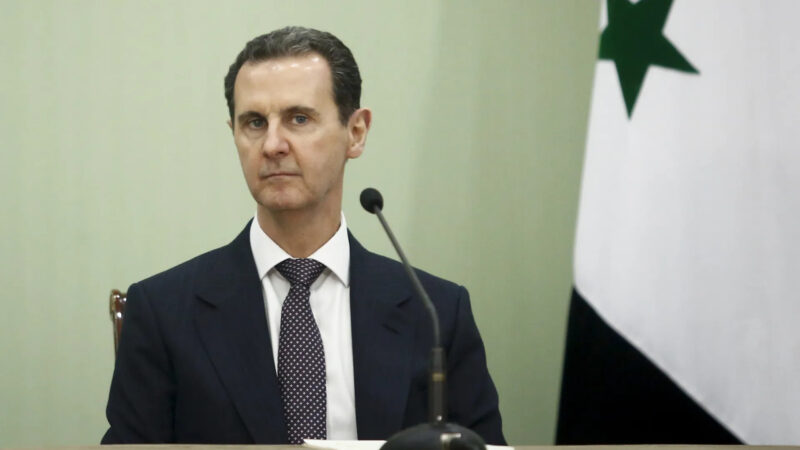
The dramatic fall of Bashar Al-Assad, once a seemingly unshakable dictator of Syria, sends a powerful message to African leaders who view power as their birthright. His descent from a fortified ruler to a fugitive in search of sanctuary highlights the inevitable collapse of tyrannical regimes that prioritize personal gain over the welfare of their people.
For decades, Assad ruled Syria with an iron fist, relying on alliances with Russia and Iran to shield himself from global condemnation. His rule was marked by brutal suppression, massacres, and the destruction of a once-thriving nation. Today, Syria is a shadow of its former self, its cities reduced to rubble, its economy shattered, and its people scattered across the globe. Assad’s legacy is a grim testament to the dangers of clinging to power at all costs.
African leaders who exhibit similar tendencies should heed this cautionary tale. The parallels between Assad’s rule and the actions of many African autocrats are striking. From silencing dissent to amassing personal wealth while neglecting their nations, the patterns are all too familiar. Yet Assad’s downfall shows that no leader, no matter how fortified, can outrun accountability forever.
The allure of dictatorship lies in its illusion of permanence and control. Leaders like Assad often surround themselves with loyalists, build grand palaces, and suppress opposition with brutal efficiency. Yet these trappings of power are fragile. Assad’s ornate mansions and fortified bunkers offered no refuge when the tide turned against him.
African history is replete with similar stories. From Uganda’s Idi Amin to Zaire’s Mobutu Sese Seko, these leaders once ruled with unchecked power, only to fall in disgrace. Their regimes, like Assad’s, prioritized self-preservation over nation-building, leaving behind legacies of poverty and instability.
Without a doubt, the fall of Assad underscores several key lessons for African leaders. Such lessons cut across the facts that power is transient that the people will rise, that external alliances are not foolproof and that legacy matters.
Comprehensively put, no regime is invincible. Leaders who ignore this truth and refuse to plan for peaceful transitions inevitably face disastrous ends. In a similar vein, oppressed citizens may tolerate tyranny for a time, but history shows that their desire for freedom and justice will eventually prevail.
Also in a similar vein, Assad’s reliance on Russia and Iran ultimately failed to secure his position. Similarly, African leaders who depend on external powers to maintain their rule should recognize the limits of such support.
And above all, a leader’s legacy is not defined by how long they remain in power but by the impact he or she leaves on the nation. Assad will be remembered for destruction and suffering, an epitaph no leader should desire.
The continent is rife with leaders who emulate Assad’s autocratic tendencies. From Yoweri Museveni’s extended grip on Uganda to the suppression of opposition in nations like Equatorial Guinea and Eritrea, these leaders seem intent on following the path of tyranny. Yet they should take note: the global political landscape is shifting, and the tolerance for dictatorships is dwindling.
The Arab Spring and recent uprisings in Sudan and Zimbabwe demonstrate the power of collective action. African leaders who dismiss these movements as distant or irrelevant do so at their peril. The seeds of dissent are often sown in silence, only to bloom when least expected.
The responsibility for ending tyranny does not rest solely with leaders, it also lies with the people. Citizens must remain vigilant, demanding transparency, accountability, and respect for democratic processes. The story of Assad’s downfall serves as a reminder of the power of collective will to dismantle even the most entrenched regimes.
For African leaders clinging to power, Assad’s fall is a mirror reflecting their own potential futures. Governance is not about personal enrichment or eternal rule but about serving the people with integrity and vision. Leaders who fail to recognize this truth risk the same fate as Assad: exile, disgrace, and the eventual collapse of everything they sought to preserve.
In fact, African leaders should draw critical lessons from the plight of Bashar Al-Assad in Syria. The ongoing struggles in Syria highlight the dangers of clinging to power at all costs and failing to prioritize the needs of the people. Assad’s tenure has been marred by civil unrest, devastating wars, and widespread humanitarian crises, eroding any semblance of legitimacy his leadership once held. This serves as a stark reminder that power is transient and ephemeral; no leader remains at the helm forever. The focus should not be on amassing wealth or wielding authority but on creating a legacy of good governance, fostering development, and building resilient institutions that outlast their tenure.
Across Africa, history is replete with leaders who, in their pursuit of personal gain, disregarded the welfare of their citizens, leaving their nations in ruins. Yet, the names that stand tall in the annals of history are those who governed with integrity, vision, and compassion. Leaders like Nelson Mandela are celebrated not for the duration of their rule but for the indelible mark of unity, peace, and progress they left behind. African leaders must recognize that the trappings of power are fleeting, and the respect and admiration of a nation cannot be bought, they must be earned through selfless service. Leaving a legacy of good governance ensures not just a place in history but also enduring goodwill from the people. It is this legacy that shields leaders from ignominy and secures their relevance long after their time in office.
Bashar Al-Assad’s downfall is a sobering reminder that no dictator, no matter how powerful, can escape the consequences of his or her actions. For African leaders, it is an opportunity to reflect on the futility of tyranny and the enduring value of justice and democracy. The question is, will they learn from Assad’s fate, or will they repeat his mistakes and face a similar end? The choice is theirs. History, however, has already shown us the answer.