Africa
Sustainable Development Nigeria -By Abubakar Yusuf
Balancing economic growth and environmental protection is a delicate act, but Nigeria can achieve it. The country needs to adopt a sustainable development approach, invest in renewable energy, strengthen environmental regulations, promote sustainable agriculture, and develop eco-tourism. The government, private sector, and civil society must work together to prioritize environmental protection and ensure that Nigeria’s economic growth is inclusive, sustainable, and environmentally friendly.


Nigeria, Africa’s largest economy, is at a crossroads. The country is experiencing rapid economic growth, driven by its vast oil reserves, growing population, and increasing urbanization. However, this growth comes with a cost: environmental degradation, pollution, and climate change. The challenge facing Nigeria is how to balance its economic ambitions with the need to protect its environment and natural resources.
Nigeria’s economy has grown steadily over the past decade, with GDP growth averaging 2.5% per annum. The country is rich in natural resources, including oil, natural gas, and minerals, which contribute significantly to its revenue. The government has set ambitious targets to diversify the economy, increase industrial production, and create jobs.
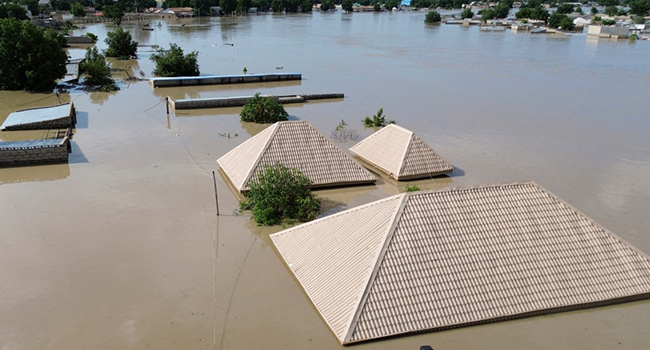
However, this economic growth has come at a significant environmental cost. Nigeria is one of the world’s most polluted countries, with high levels of air and water pollution, deforestation, and loss of biodiversity. The country’s oil-rich Niger Delta region is particularly affected, with oil spills, gas flaring, and environmental degradation threatening the livelihoods of local communities.
Environmental protection is critical for Nigeria’s sustainable development. The country’s natural resources, including its forests, waterways, and wildlife, are essential for the well-being of its citizens and the economy. However, the country’s environmental laws and regulations are often inadequate or poorly enforced, leading to widespread environmental degradation.
Climate change is also a major concern, with Nigeria vulnerable to rising temperatures, changing rainfall patterns, and increased frequency of extreme weather events. The country’s agricultural sector, which employs over 70% of the workforce, is particularly vulnerable to climate change.
So, how can Nigeria balance its economic growth with environmental protection? Here are some strategies:
Sustainable Development: Nigeria needs to adopt a sustainable development approach that balances economic growth with environmental protection. This requires integrating environmental considerations into economic planning and decision-making. Renewable Energy, Nigeria has vast renewable energy potential, including solar, wind, and hydro power. Investing in renewable energy can reduce the country’s dependence on fossil fuels and mitigate climate change.
Environmental Regulations,Nigeria needs to strengthen its environmental laws and regulations, and ensure effective enforcement. This includes increasing transparency and accountability in the extractive industries.
Sustainable Agriculture: Nigeria’s agricultural sector can be a key driver of economic growth and environmental sustainability. The country can promote sustainable agriculture practices, such as agroforestry and organic farming.
Eco-Tourism: Nigeria’s natural beauty and biodiversity can be a major tourist attraction, generating revenue and creating jobs.
Balancing economic growth and environmental protection is a delicate act, but Nigeria can achieve it. The country needs to adopt a sustainable development approach, invest in renewable energy, strengthen environmental regulations, promote sustainable agriculture, and develop eco-tourism. The government, private sector, and civil society must work together to prioritize environmental protection and ensure that Nigeria’s economic growth is inclusive, sustainable, and environmentally friendly.
Conclusion
The government should develop a national sustainable development strategy that integrates environmental protection into economic planning. The private sector should invest in renewable energy and sustainable agriculture. Civil society should hold the government and private sector accountable for environmental protection. Nigeria should strengthen its environmental laws and regulations, and ensure effective enforcement. By balancing economic growth and environmental protection, Nigeria can achieve sustainable development and ensure a better future for its citizens.