
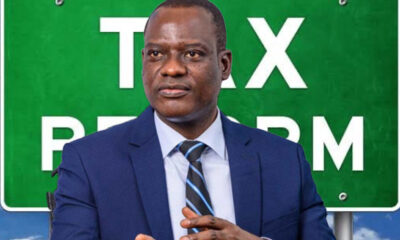

Taiwo Oyedele explains how Nigeria’s N15.8tn subsidy savings were shared and why the Federal Government continued to borrow.


No national expansion will occur until regulators can ensure that the model does not adversely impact liquidity, access, staffing or patient care. This analysis should be...
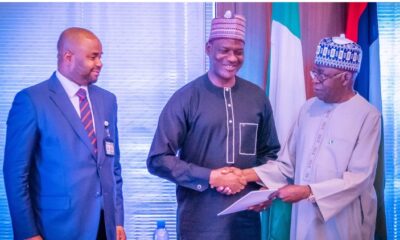

The NRS says Nigeria has moved from acute economic distress toward recovery, citing higher oil output, reserves, tax revenue and economic growth.
The IMF is right to remind Nigeria that stronger public revenue is essential for long-term development. Yet fiscal consolidation should begin where the greatest discretionary spending...
Nigeria’s president reshuffles cabinet, replacing finance minister Wale Edun with Taiwo Oyedele to strengthen economic management.


Manufacturing tax contributions rose sharply in 2025, hitting N1.17tn VAT and N881bn CIT, reinforcing Nigeria’s non-oil revenue base.
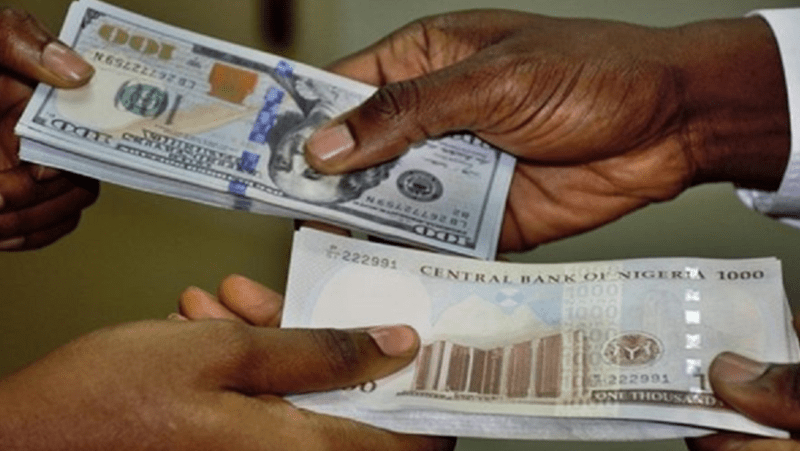
Nigeria’s Naira remains stable against the dollar amid strong external reserves and rising oil prices, with parallel market rates around N1,410–N1,415.

Finance Ministry clarifies that low MDA cash releases do not indicate abandoned projects; capital expenditure in 2025 reached N11.7 trillion.
VAT payments from Nigeria’s manufacturing sector rose 54.7% to N875bn in nine months of 2025, highlighting the sector’s growing role in non-oil revenue.

A social contract is the only way to build a society’s productive base, and a pension system reflects its level of civility. Again, look at our...


The DSS and NIA are probing alleged communications between senior NFF officials and foreign nationals over concerns linked to national...


Peter Obi disagrees with Atiku over fuel subsidy, saying mismanagement of funds saved from its removal is not enough reason...
The naira remains relatively stable against the dollar on August 25, 2026, with the official closing rate at ₦1,346.90/$ and...


China-Nigeria bilateral trade reached $17.4bn in H1 2026, while Chinese imports from Nigeria jumped 81% to $2.25bn following the zero-tariff...

FG has awarded the Escravos Channel dredging and reconstruction contract under its Eastern Ports modernisation programme to improve navigation at...
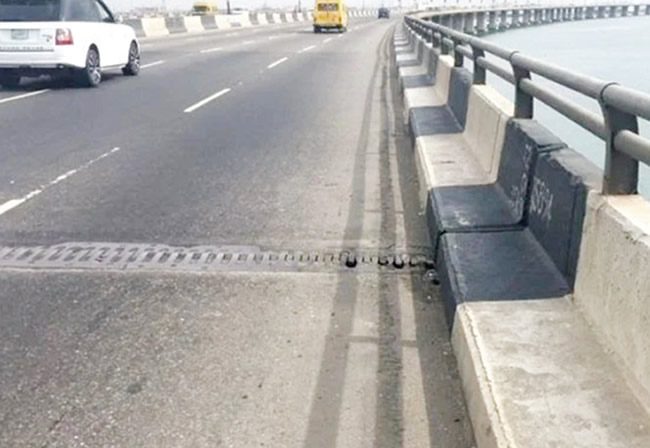
FG plans to reconstruct Lagos’ 1.58km Carter Bridge within 24 months, adding new ramps, a cable-stayed section and protective measures...
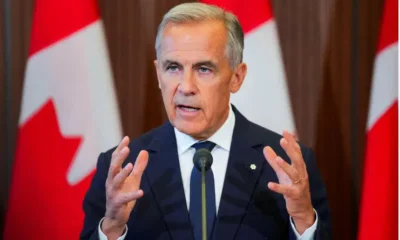

Trump threatens to double US tariffs on Canadian vehicles to 50% from 2027 after Washington and Ottawa fail to reach...
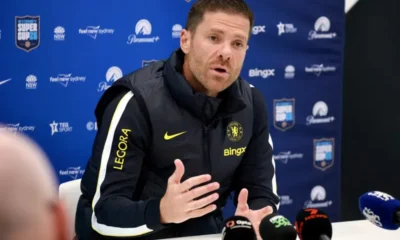

Chelsea beat Fulham 3-2 in Xabi Alonso’s first game in charge, with debutant Morgan Rogers and Cole Palmer among the...

Poco Lee is set to appear before a London court in September over an alleged assault offence, according to Nigerians...


‘NAZA’, a new documentary about the Gaza war by ‘No Other Land’ directors Yuval Abraham and Rachel Szor, will premiere...
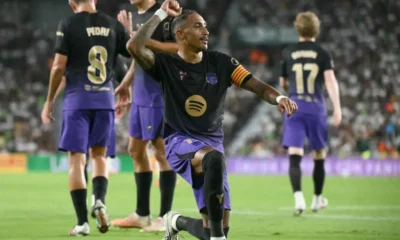

Raphinha and Fermin Lopez scored twice each as Barcelona cruised to a 5-0 victory over Elche in their La Liga...


Ferran Torres rescued PSG with two goals as the French champions came from 2-0 down to draw 2-2 at Rennes...

Nollywood veteran Taiwo Hassan ‘Ogogo’ has died at 66 after a battle with Stage 4 cancer. His daughter announced his...
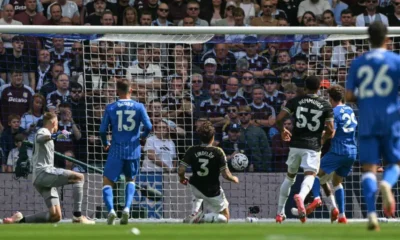

Brighton thrashed Aston Villa 4-0 at the Amex Stadium as Maxim de Cuyper scored twice and Jack Hinshelwood netted a...


Joao Pedro has extended his Chelsea contract after scoring 20 goals in his debut season, committing his future to the...


Man Utd began their Premier League campaign with a 2-0 loss to Hull as Michael Carrick admitted his team have...

Liverpool face their first season without Mohamed Salah since 2016, while Man City begin life after Pep Guardiola under Enzo...


Jamal Musiala has returned to training after undergoing tests following his collapse during Bayern Munich’s friendly against RB Leipzig.

Full list of Super Eagles players who changed clubs this summer, including Awoniyi, Iheanacho, Akor Adams, Onyedika, Orban and Onyeka.