Africa
The Central Bank Of Nigeria And The Battle For Economic Stability -By Mercy Luka
The Central Bank of Nigeria remains both a guardian and a gladiator in the nation’s economic arena. Its successes and failures directly impact millions of lives, making it one of the most scrutinized institutions in the country. Strengthening its transparency, independence, and efficiency will be vital if Nigeria is to overcome its economic woes and build a more resilient future.

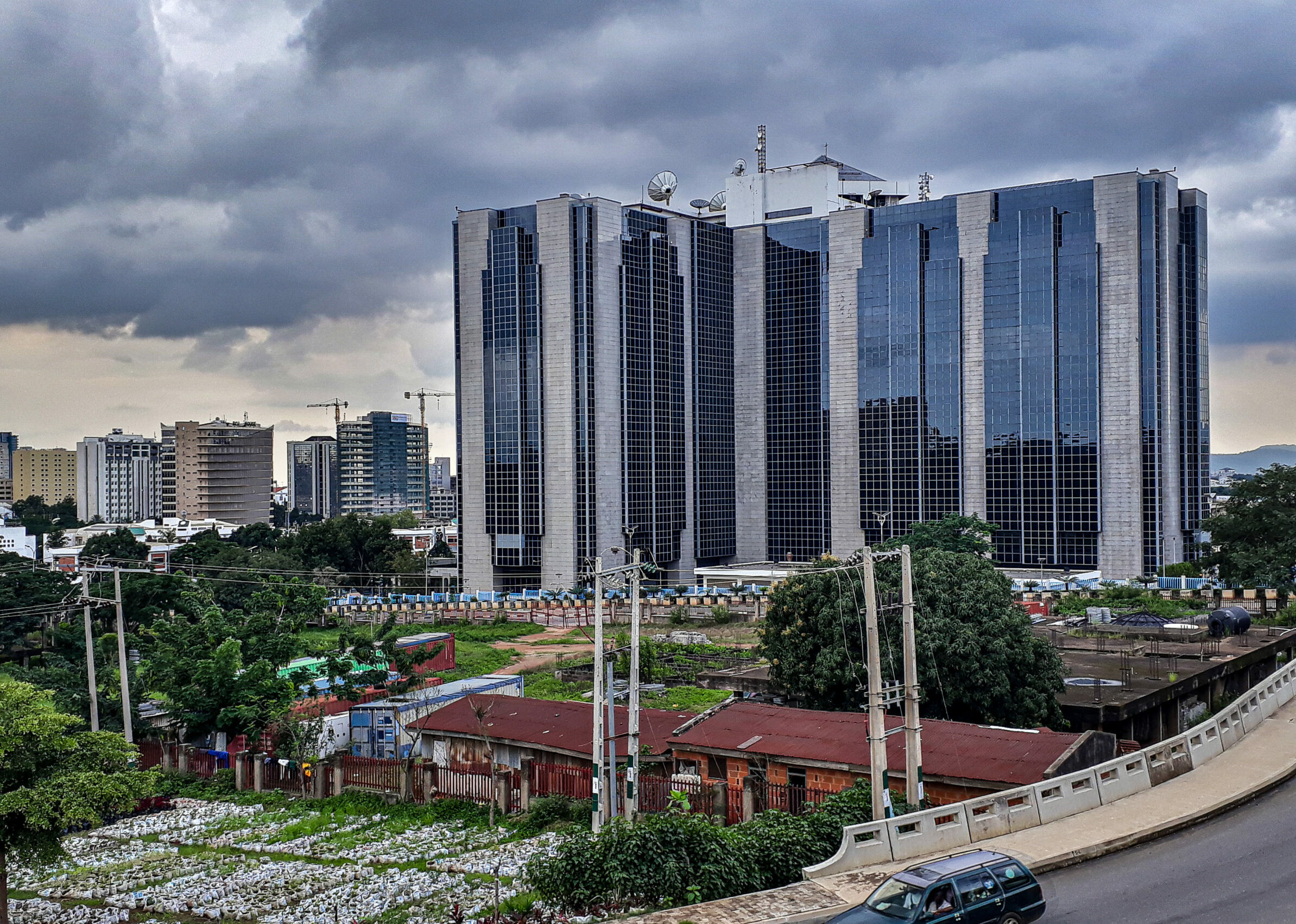
The Central Bank of Nigeria (CBN) sits at the heart of the country’s economy, serving as both a regulator and a stabilizer. Established in 1958 and beginning operations in 1959, the bank was created to issue legal tender, maintain monetary stability, and ensure a sound financial system. Over the decades, its influence has expanded, making it one of the most powerful institutions shaping Nigeria’s economic destiny.
At the core of the CBN’s mandate is the maintenance of price stability. In a country plagued by high inflation and currency depreciation, this role has become increasingly difficult. The naira has faced persistent pressure against foreign currencies, driven by dependence on oil revenues and rising import demands. For many Nigerians, this translates into skyrocketing food prices and a higher cost of living.
The bank’s monetary policies — from adjusting interest rates to managing foreign exchange reserves — aim to balance growth with stability. However, these policies have often attracted criticism. For example, the multiple exchange rate system introduced in recent years drew controversy, with critics arguing it encouraged corruption and distorted the economy. Still, the CBN defended it as a necessary tool for managing scarce foreign exchange.
Beyond monetary policy, the CBN plays a developmental role. Through intervention programmes such as the Anchor Borrowers’ Programme, it has supported smallholder farmers to boost local food production. By providing loans and credit facilities, the bank has sought to reduce Nigeria’s dependence on food imports and promote self-sufficiency. Some of these initiatives have recorded successes, while others have struggled with issues of mismanagement and repayment defaults.
The COVID-19 pandemic further highlighted the CBN’s importance. As businesses shut down and jobs were lost, the bank rolled out intervention funds to cushion the economic blow. Loans were made available to households, SMEs, and the healthcare sector, enabling many to survive the crisis. These actions showcased the bank’s ability to act not just as a regulator but also as a catalyst for economic recovery.
Despite these interventions, challenges remain. Nigeria’s inflation continues to rise, eroding the purchasing power of citizens. The depreciation of the naira has made imports more expensive, while unemployment remains stubbornly high. Many critics argue that monetary policies alone cannot solve Nigeria’s economic problems without complementary fiscal reforms and diversification of revenue sources.
Corruption and policy inconsistency also haunt the bank’s operations. Allegations of favoritism in the disbursement of intervention funds and questionable management of foreign exchange reserves have fueled public distrust. For an institution whose credibility is central to economic stability, rebuilding confidence is a task that cannot be ignored.
Looking ahead, the CBN faces tough choices. Should it continue with heavy interventions in the economy, or focus strictly on its traditional regulatory role? Should it maintain a managed exchange rate or allow full market forces to determine the value of the naira? These are debates that will shape the country’s economic trajectory for years to come.
For ordinary Nigerians, the relevance of the CBN is felt daily in the prices at the market and the value of their savings. While its policies may sometimes appear distant or technical, their effects are real and immediate. The stability of the naira, access to credit, and the fight against inflation all depend heavily on the bank’s decisions.
The Central Bank of Nigeria remains both a guardian and a gladiator in the nation’s economic arena. Its successes and failures directly impact millions of lives, making it one of the most scrutinized institutions in the country. Strengthening its transparency, independence, and efficiency will be vital if Nigeria is to overcome its economic woes and build a more resilient future.
MERCY LUKA IS A 300 LEVEL STUDENT FROM MASS COMMUNICATION DEPARTMENT BORNO STATE UNIVERSITY, MAIDUGURI.