
Africa
UBEC And The Struggle For Quality Basic Education In Nigeria -By Naima Haruna
For Nigeria, the stakes could not be higher. Without strong foundations in basic education, the dream of national development will remain elusive. UBEC represents a bold attempt to rewrite the narrative, but its success depends on political will, effective governance, and collective commitment. Every Nigerian child deserves more than promises — they deserve the opportunity to learn, grow, and contribute to the nation’s progress.

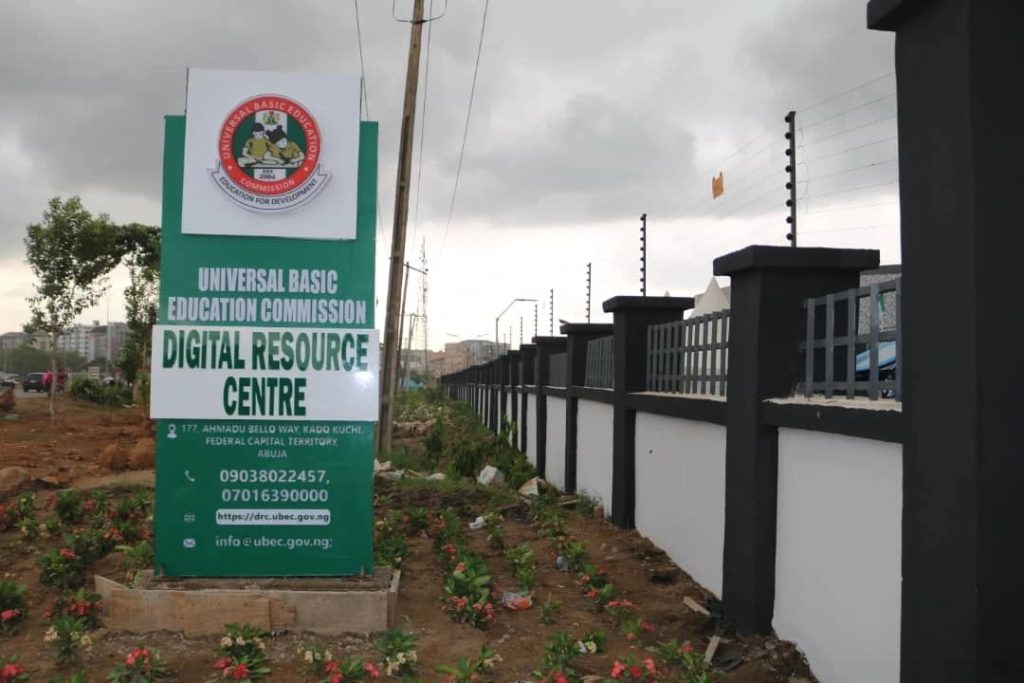
Education has long been described as the bedrock of national development, yet Nigeria continues to grapple with a struggling foundation. At the center of addressing this challenge is the Universal Basic Education Commission (UBEC), established in 1999 to coordinate the implementation of free and compulsory basic education across the country. More than two decades later, UBEC’s mission remains both urgent and daunting.
The idea behind UBEC was simple but powerful: to provide every Nigerian child with access to quality education, regardless of background or geography. Covering six years of primary and three years of junior secondary education, the program was designed to ensure no child is left behind. However, translating this vision into reality has been anything but straightforward.
One of the commission’s major challenges is inadequate infrastructure. Across rural and urban areas, many schools lack classrooms, libraries, laboratories, and even basic furniture. It is not uncommon to find children learning under trees or in dilapidated buildings. These conditions severely undermine the quality of teaching and learning, widening the gap between policy goals and ground realities.
Funding has also been a persistent hurdle. While UBEC allocates intervention funds to states, the requirement for counterpart funding has often stalled progress. Some states fail to provide their share, resulting in billions of naira lying unused. This failure not only denies children access to better facilities but also raises questions about political commitment to education.
Teacher quality presents another obstacle. Many teachers at the basic education level lack adequate training or motivation, leading to poor learning outcomes. UBEC has initiated capacity-building workshops and professional development programs, but the scale of the problem demands more sustained and systematic solutions. After all, no education system can rise above the quality of its teachers.
The Issue of out-of-school children remains particularly alarming. Nigeria has one of the highest numbers of out-of-school children in the world, with millions, especially in the northern region, excluded from classrooms due to poverty, insecurity, or cultural barriers. UBEC’s programs, including partnerships with NGOs and community-based interventions, have made some impact, but the crisis persists at a frightening scale.
Security challenges further complicate UBEC’s mission. In insurgency-affected areas, particularly in the Northeast, schools have been destroyed or abandoned due to attacks. Parents are often reluctant to send their children to school out of fear for their safety. For UBEC, ensuring education in such regions requires extraordinary measures, including safe school initiatives and community resilience programs.
Despite these challenges, UBEC has recorded some successes. Its intervention funds have helped build classrooms, supply instructional materials, and expand access to education. Campaigns promoting girl-child education and inclusive learning have also gained traction. However, these achievements are often overshadowed by the sheer scale of Nigeria’s education crisis.
The future of UBEC rests on addressing systemic issues: ensuring accountability in fund utilization, improving teacher training, and strengthening monitoring mechanisms. Collaboration between federal, state, and local governments is key, as is the involvement of parents and communities in sustaining educational gains.
For Nigeria, the stakes could not be higher. Without strong foundations in basic education, the dream of national development will remain elusive. UBEC represents a bold attempt to rewrite the narrative, but its success depends on political will, effective governance, and collective commitment. Every Nigerian child deserves more than promises — they deserve the opportunity to learn, grow, and contribute to the nation’s progress.
NAIMA HARUNA IS A 300 LEVEL STUDENT FROM MASS COMMUNICATION DEPARTMENT UNIVERSITY OF MAIDUGURI.





















You must be logged in to post a comment Login