Africa
The Defection Epidemic in Nigeria: A Threat to Democracy -By Abdulsamad Danji Abdulqadir
Several factors contribute to this high rate of defection in Nigerian politics. The lack of clear ideological foundations within political parties makes it easier for politicians to switch sides without facing serious consequences. Personal interests, such as the pursuit of power, influence, or economic benefits, are strong motivators, as is dissatisfaction with party leadership or policies. Some politicians defect to avoid prosecution or seek protection from their new party, while the absence of internal democracy within parties leaves members feeling marginalized and excluded, prompting them to abandon their affiliations.


The political landscape in Nigeria has been marred by a growing trend of defection, where elected officials switch parties, often without any ideological justification. This phenomenon raises serious concerns about the stability of the country’s democracy and the integrity of the electoral process. Defection refers to abandoning or betraying one’s country, organization, or principles, often in favor of an opposing side or ideology. It can also refer to a failure or refusal to fulfill a duty, obligation, or loyalty.
In Nigeria, defection has become a recurring feature of politics, with politicians switching parties at will, often without explanation or justification. This trend is observed across all levels of government, from local councils to the National Assembly. While the reasons behind these defections are often shrouded in mystery, it is evident that personal interests and the pursuit of power and influence frequently play a central role. Defection can also be motivated by ideological differences, personal grievances, or new opportunities, but in the Nigerian context, self-interest overwhelmingly drives these moves.
The consequences of defection are far-reaching, with significant implications for Nigeria’s democracy. One major impact is the weakening of political parties and the erosion of public trust in the electoral process. When politicians switch parties, they often take their supporters with them, leading to a loss of momentum and credibility for their former party. This not only destabilizes political structures but also calls into question the legitimacy of governments and elected officials. Defection also undermines the principles of representative democracy, where elected officials are supposed to represent the interests of their constituents. Politicians who switch parties often do so without consulting the people they represent, further eroding trust in the democratic process.
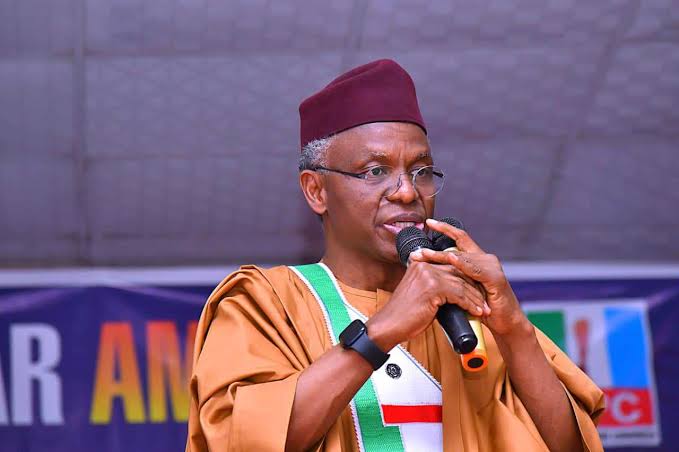
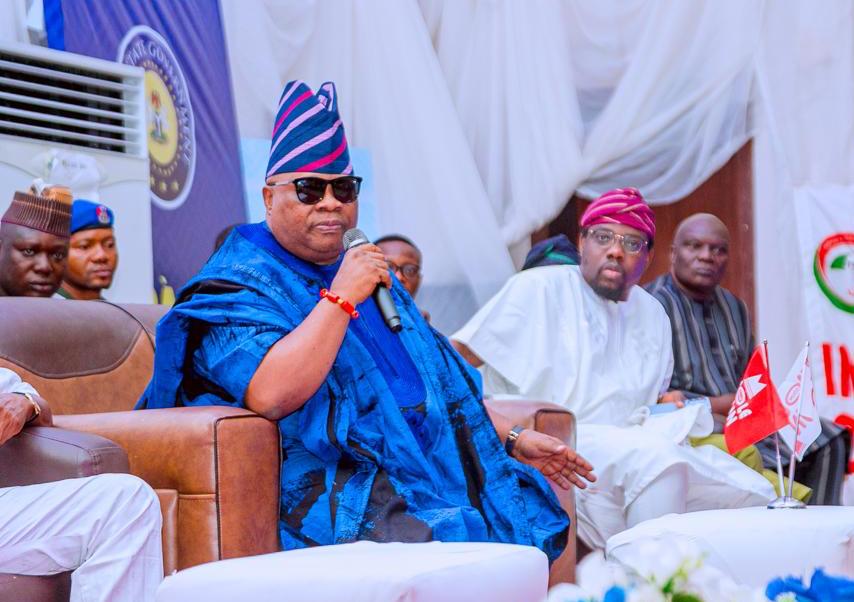
Several high-profile cases illustrate this trend. In 2006, former Vice President Atiku Abubakar defected from the Peoples Democratic Party (PDP) to the Action Congress (AC). His defection was challenged in court, but the Supreme Court ultimately ruled that he had the right to defect as an executive office holder. More recently, in December 2023, 27 lawmakers from Rivers State moved from the PDP to the All Progressives Congress (APC), a move challenged by Governor Siminalayi Fubara. The Supreme Court, however, found insufficient evidence to prove the defections. Similarly, Senator Ned Nwoko defected from the PDP to the APC in 2024, citing divisions within his former party, while Rivers State Governor Siminalayi Fubara and Osun State Governor Ademola Adeleke also switched parties in 2025, citing internal crises and pending legal challenges. These examples demonstrate that defections are not only frequent but also controversial, generating legal and political challenges that further destabilize the system.
Several factors contribute to this high rate of defection in Nigerian politics. The lack of clear ideological foundations within political parties makes it easier for politicians to switch sides without facing serious consequences. Personal interests, such as the pursuit of power, influence, or economic benefits, are strong motivators, as is dissatisfaction with party leadership or policies. Some politicians defect to avoid prosecution or seek protection from their new party, while the absence of internal democracy within parties leaves members feeling marginalized and excluded, prompting them to abandon their affiliations.
The consequences of defection extend beyond political structures and directly affect citizens. Weakening political parties reduces accountability and undermines the ability of parties to function effectively. Frequent defections erode public trust, fostering widespread political apathy and disillusionment. The lack of ideological representation means citizens’ interests may be neglected, while political instability hampers economic growth, increases poverty, and disrupts access to basic services such as healthcare, education, and infrastructure. Ultimately, defection challenges the consolidation of democracy in Nigeria, making it difficult for elected governments to exercise legitimate authority and for citizens to feel adequately represented.
Addressing the defection epidemic requires concerted action. Political parties must strengthen internal discipline to hold members accountable and ensure loyalty to party principles. Electoral reforms, such as proportional representation, can reduce incentives for switching parties, while promoting internal democracy ensures members have a voice in decision-making. Citizens must also be engaged in the political process to promote transparency and accountability. Finally, legislative intervention can provide a formal mechanism to regulate defections, ensuring that politicians who switch parties face appropriate consequences.
The defection epidemic in Nigeria’s politics poses a significant threat to the country’s democracy. It undermines the integrity of the electoral process, weakens political parties, and erodes public trust. To address this issue, there is a need for electoral reforms that promote transparency and accountability, as well as the development of clear ideologies and policies within parties to guide members’ actions. Ultimately, promoting a culture of transparency, accountability, and public engagement remains essential to strengthening Nigeria’s democratic process and ensuring effective representation for all citizens.